HSPG2 (heparan sulfate proteoglycan 2)
2008-10-01 Mary C Farach-Carson , Brian Grindel AffiliationDepartment of Biological Sciences, University of Delaware, 209 Hullihen Hall, Newark DE 19716, USA
Identity
HGNC
LOCATION
1p36.12
LOCUSID
ALIAS
HSPG,PLC,PRCAN,SJA,SJS,SJS1
FUSION GENES
DNA/RNA
Description
The HSPG2 gene consists of 115,014 bases and 97 exons. Evidence suggests that the encoded proteins modular structure is a result of gene duplication and exon shuffling (Cohen et al., 1993). The perlecan gene promoter lacks the TATA and CAAT boxes, but has four GC boxes and three GGGCGG hexanucleotides. The gene also was found to contain multiple start sites (Cohen et al., 1993).
Transcription
The transcribed mRNA is 14,294 bp (Cohen et al., 1993). An alternative transcript for unc-52, the homologous gene to perlecan in C. elegans, has been reported (Spike et al., 2002). In addition, a human alternative transcript was submitted to the NCBI (Accession Q8TEU3_HUMAN) as a sequence for a short version variant, miniperl, encoding a 240 amino acid protein of 25.942 kD. Expression of HSPG2 was found to be induced by TGF-beta via NF-1 (Iozzo et al., 1997), and inhibited by NF-gamma via STAT1 (Sharma and Iozzo, 1998).
Proteins
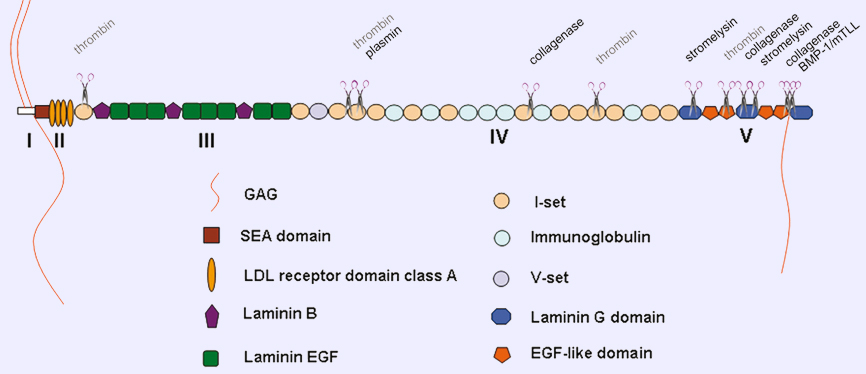
Figure1: Perlecan as a Scaffold: Functional Uncoupling by Proteolysis (from Farach-Carson and Carson, 2007).
Description
4,391 amino acids; 468,825 (core protein) to ~850,000 Da (depends upon amount of glycosaminoglycan (GAG) additions). Perlecan is composed of 5 domains. Following a 21 amino acid signal peptide for ER targeting is the N-terminal domain I, spanning amino acids 22-193 (Murdoch et al., 1992). Domain I contains 3 SGD sequences for attachment of heparan sulfate (HS) and/or chondroitin sulfate (CS) GAGs on serine residues, and a 120 amino acid SEA (Sperm protein, Enterokinase, Agrin) module. The SEA module has no definitive function, but deletion studies in domain I suggest it increases HS chain attachment (Dolan et al., 1997). Domain I of this protein is unique to perlecan, as it shares no significant homology with any other protein (Murdoch et al., 1992). The 210 amino acid domain II (amino acids 194-403) contains 4 cysteine-rich low-density lipoprotein (LDL) receptor-like modules. Adjacent to this is one immunoglobulin G (IgG)-like repeat (residues 404-504). Domain III (1,172 amino acids; residues 505-1676) consists of modules homologous to the short arm laminin alpha-chains including 3 laminin domain IV-like modules and eight laminin epidermal growth factor (EGF)-like repeats. Domain IV is the largest domain (2010 amino acids; residues 1677-3686), containing 21 IgG-like repeats (murine perlecan has only 14 IgG-like repeats, missing IgG repeats 5-12) similar to neural cell adhesion molecules (N-CAM). Domain V (705 amino acids; residues 3687-4391) has 3 modules with sequence homology to the globular domain of laminin alpha-chains and agrin. In addition, this domain contains 4 interspersed EGF-like repeats, and another GAG chain attachment site. Domain V of perlecan also is referred to as endorepellin for its angiostatic properties and was shown to be cleaved from perlecan by BMP-1/mTLL (Mongiat et al., 2003; Gonzalez et al., 2005). Several other cleavage sites are predicted for perlecan including sites for thrombin, plasmin, collagenase, and stromelysin, although some sites may be cryptic (Whitelock et al., 1996; dOrtho et al., 1997).
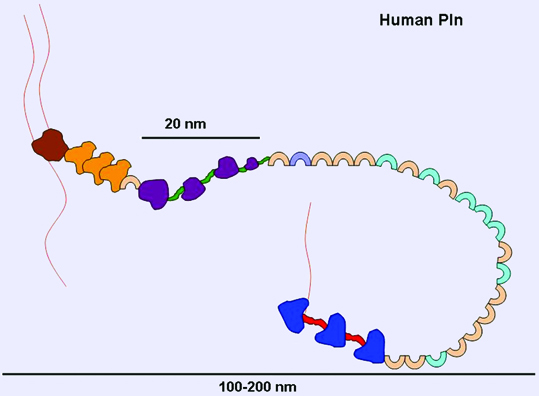
Figure 2: from Farach-Carson and Carson, 2007.
Expression
Perlecan is expressed in the basement membranes of pituitary gland, skin, breast, thymus, prostate, colon, liver, pancreas, spleen, heart, and lung. Vascular basement membranes also express perlecan. In the subendothelial region, perlecan is highly expressed in the livers perisinusoidal space, spleen, lymph nodes, and pituitary gland (Murdoch et al., 1994). In the kidney, perlecan is found in the mesangium, Bowmans capsule, the tubular basement membrane, but is only slightly expressed in the glomerular basement membrane (Groffen et al., 1997). In bone, marrow but not the mineral compartment, is rich in perlecan (Schofield et al., 1999). In human fetal tissue (12-14 week old), pericellular perlecan expression was detected in the rudiment and growth plate chondrocytes, and was found in the perichondrial capillary networks and cartilage canals (Melrose et al., 2004).
Localisation
Perlecan is found in the extracellular matrix (ECM), most commonly in the basement membrane underlying epithelial and endothelial cells. It also is found at high levels in cartilage, bone marrow and in muscle tissue.
Function
Perlecan is a multifunctional protein involved in maintaining the basement membrane, growth factor binding and signaling, cell differentiation, angiogenesis, neuromuscular function and bone development. Perlecan is an important component of the basement membrane. It binds several other basement membrane proteins including aminin 1, fibronectin, nidogen, PRELP, and collagen IV via its core protein or HS chains (Sasaki et al., 1998; Hopf et al., 2001; Kvansakul et al., 2001; Bengtsson et al., 2002). Endorepellin (domain V) also interacts with cell surface integrins (alpha2beta1), forming additional complexes linking the ECM with the cell (Bix et al., 2004). The loss of perlecan and the basement membrane architecture is sometimes indicative of carcinomas, as is the case with invasive breast carcinoma (Nerlich et al., 1997). Perlecan has extensive growth factor regulating functions afforded to its ability to bind, sequester, and activate growth factors and growth factor binding proteins. This function connects perlecan to several actions concerning cell differentiation and proliferation. Perlecan has both pro-angiogenic (whole molecule) and anti-angiogenic (endorepellin) properties, linked to its ability regulate factors such as VEGF and FGF2. Consequently, perlecan has been implicated in supporting tumor angiogenesis in several cancers (reviewed in Bix and Iozzo, 2008). In all, perlecan has been shown to bind many growth factors including BMP-2, CTGF, PDGF, several FGFs, and VEGF and modulate several others (reviewed in Bix and Iozzo, 2008; Melrose et al., 2008). Perlecan has important functions in bone development. Perlecan sustains growth plate chondrocyte organization and hypertrophic chondrocytes, greatly assists endochondral ossification, and maintains cartilage stability in general (Arikawa-Hirasawa et al., 1999; Costell et al., 1999). The complex structure and function of perlecan suggest that it acts as an extracellular matrix scaffold. Based upon rotary shadowing of individual domains and atomic force microscopy, intact perlecan is predicted to span 100-200 nm (Chakravarti et al., 1995; Costell et al., 1996; Brown et al., 1997; Dolan et al., 1997; Hopf et al., 1999; Chen and Hansma, 2000). Given that this matches the dimensions of other scaffolding domains and that perlecan has a modular structure capable of binding many partners at once, perlecan may create stable "signalosomes" by clustering transmembrane proteins and stabilizing their interactions. As a result, perlecan may be essential in directing cell signaling and hence function as an extracellular signaling scaffold (Farach-Carson and Carson, 2007).
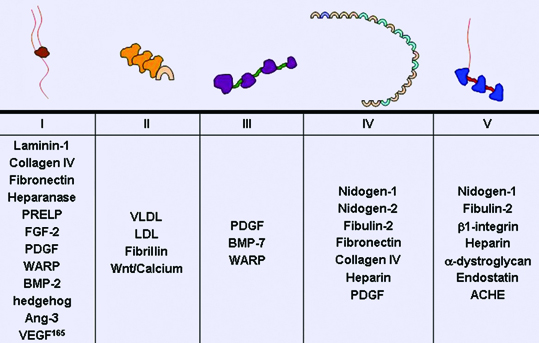
Figure 3: Perlecan as a Scaffold: Domains and interactions (from Farach-Carson and Carson, 2007).
Homology
Mouse (~85%), Chicken (67%), Zebrafish (62%), Fruitfly (35%), Worm (35%).
Mutations
Note
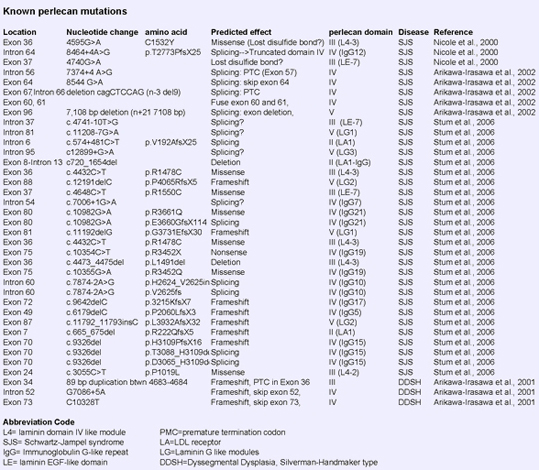
Perlecan has 37 reported mutations. Over 34 mutations are attributed to Schwartz-Jampel Syndrome (SJS) and 3 are attributed to dyssegmental dysplasia, Silverman-Handmaker type (DDHS).
Implicated in
Entity name
Prostate Cancer
Note
Perlecan expression was correlated with aggressive prostate tumors (high Gleason score). Primary prostate cancer tumors and metastatic prostate cancer to the lung and liver showed increased perlecan expression, but metastasis to the lymph nodes showed decreased perlecan protein expression. Furthermore, perlecan expression was shown to promote survival of tumors in low androgen and/or low growth factor environments. Perlecan may mediate prostate cancer progression through its regulation of the sonic hedgehog signaling pathway, whose activity has been implicated in prostate cancer (Datta et al., 2006). Targeted reduction of perlecan in prostate cancer xenografts growing in mice reduced tumor growth and vascularization (Savorè et al., 2005).
Disease
Prostate cancer is an adenocarcimona affecting the gland cells of the prostate. It is a slow growing cancer usually affecting older men. The most common site of metastasis of prostate cancer is the bone.
Entity name
Breast Cancer
Note
Perlecan mRNA expression was shown to be increased in invasive breast carcinomas, yet immunohistochemical analysis showed a lack of perlecan deposition in the carcinoma (Nerlich et al., 1997; Nerlich et al., 1998). This suggests subsequent proteolytic cleavage of perlecan or translational defects in breast cancer. However, in breast cancer stromal cells, high perlecan deposition was also reported (Iozzo et al., 1994).
Disease
Breast cancer refers to the many types of cancer affecting breast tissue including ductal carcinoma and lobular carcinoma. Breast cancers are further defined as in situ or invasive. An especially deadly form is inflammatory breast cancer. The most common target of breast cancer metastasis is the lymphatic system. It is the most common form of cancer for women and the second cause of cancer-related deaths for women.
Prognosis
None
Entity name
Melanoma
Note
In metastatic melanoma, perlecan mRNA expression was increased 15 fold over normal tissue, which correlated with enhanced perlecan deposition in the melanomas pericellular matrix (Cohen et al., 1994). When perlecan expression was blocked with a perlecan antisense cDNA construct in metastatic melanoma cells, the proliferative and invasive properties were reduced. Perlecan serves as a reservoir for growth factors involved in angiogenesis and proliferation (VEGF, bFGF/FGF-2, FGF-7), and is needed for growth factor signaling. bFGF/FGF-2 was shown to be an important autocrine regulator of metastatic melanoma, and perlecan is needed for bFGF to advance melanoma. Without perlecan, growth factor activity is diminished, abrogating tumor progression (Adatia et al., 1997).
Disease
Melanoma is a type of skin cancer originating in the melanocytes.
Prognosis
None
Entity name
Colon cancer
Note
When perlecan was blocked by antisense targeting in xenografts with human colon carcinoma cells and tumor allografts, tumor progression and neovascularization were substantially decreased in a mouse model. Perlecan inhibition is thought to suppress FGF-7 binding and receptor activation, thereby blocking tumor growth and angiogenesis (Sharma et al., 1998). As in other cancers, perlecan is a contributing factor in colon cancer progression.
Disease
Colon cancer usually begins as a non-cancerous adenomatous polyp and spreads into the wall of the colon, where it may metastasize through blood vessels or the lymphatic system.
Prognosis
None
Entity name
Fibrosarcoma
Note
In contrast to other cancers, when perlecan was suppressed by antisense cDNA in fibrosarcoma cells, the phenotype became more aggressive in that they had increased migration, invasion, and adhesiveness to type IV collagen substrates. Perlecan action in fibrosarcoma is thought to be independent of the bFGF pathway and possibly prevent mesenchymal tumor invasion (Mathiak et al., 1997).
Disease
Fibrosarcoma is a type of malignant tumor originating in the connective tissue, mostly affecting the leg, arm, and jawbone in humans.
Prognosis
None
Entity name
Adenoid cystic carcinoma (ACC)
Note
Perlecan expression was increased in ACC cells forming small stromal pseudocysts, but not in advanced flat ACC cells producing large pseudocysts or already attached to peripheral nerves, which have abundant perlecan. This suggests perlecan is needed for initial ACC cell growth (Kimura et al., 2000).
Disease
ACC is a tumor affecting the salivary glands. It is usually slow growing and not as aggressive as other salivary gland cancers.
Prognosis
None
Entity name
Intrahepatic cholangiocarcinoma (ICC)
Note
Perlecan is highly expressed in the tumor specific fibro-myxoid stroma of ICC. In addition, the ICC cells on the invading fronts expressed higher levels of perlecan than other ICC cells, suggesting that perlecan is an important component of ICC tumor invasiveness (Sabit et al., 2001).
Disease
ICC is a tumor originating in the biliary system (bile ducts) of the liver. It is associated with the hepatitis C virus and chronic cholangitis.
Prognosis
None
Entity name
Amyloidosis and related diseases
Note
In a murine model of AA amyloidogenesis perlecan expression increased before the deposits of AA amyloids, indicating that perlecan is required for the earliest stages of amyloid fibrillogenesis (Ailles et al., 1993). Perlecan was shown to accelerate beta-amyloid fibril formation and also stabilize the formed fibrils, demonstrating perlecans role in beta-amyloidogenesis in Alzheimers disease (Castillo et al., 1997). In addition, during hemodialysis induced beta2-microglobulin (beta2M) amyloidosis, increased amounts of HSPGs, like perlecan, direct where beta2M deposits will occur and assist fibrillogenesis (Ohashi, 2001).
Disease
Amyloidosis refers to a wide spectrum of diseases where the abnormal deposition of amyloid species (insoluble proteins in a beta-pleated secondary conformation) occurs in any organ or tissue. Alzheimers disease is an example of amyloidosis affecting the brain.
Prognosis
None
Entity name
Schwartz-Jampel Syndrome (SJS)
Note
Mutations in the perlecan gene were implicated in SJS in 2000 by (Nicole et al., 2000). Two mutations are found in the C-terminal region of domain III, SJS1-H C1532Y and SJS1-B 4740G→A, resulting in lost disulfide bonds. One mutation was found in domain IV, SJS1-A IVS64+4a→g, leaving a truncated protein missing domain IV Ig-like repeats 13-21 and domain V. (Arikawa-Hirasawa et al., 2002) reported additional mutations resulting in early stop codons. (Stum et al., 2006) reported an additional 22 perlecan mutations. In all of these mutational analyses, no evidence of a founder effect existed. The mutated perlecan proteins are secreted in lower amounts or are more susceptible to proteases and have varying degrees of functionality, resulting in the defects characteristic of SJS. However, (Rodgers et al., 2007) using mice with site specific perlecan mutations suggested that it was not the truncated protein or faulty secretion, but a downregulation of perlecan at the transcriptional level. With respect to myotonia, perlecan was shown to localize acetylcholinesterase (AChE) to the neuromuscular junction. With less functional perlecan, AChE is largely absent at the synapse, resulting in a higher concentration of ACh. This aberrantly stimulates the ACh receptor causing muscle contractions associated with myotonia.
Disease
SJS is a rare autosomal recessive disease characterized by skeletal dysplasias and myotonia, a neuromuscular disorder resulting in prolonged muscle contraction. Patients with the disorder have short stature, blepharophimosis (drooping eyelids with reduced size, flat nasal bridge, underdeveloped orbital rim), pursed lips, low-set ears, myopia, and a fixed facial expression. SJS is characterized by several skeletal dysplasias including kyphoscloliosis, platyspondyly (flattened vertebrae), joint contractures, and metaphyseal and epiphyseal dysplasias. Based upon clinical examination, several other disorders including kyphomelic chondrodyplasia, Burtons disease, micromelic chondrodysplasia were suggested by (Spranger et al., 2000) to be reclassified as SJS.
Entity name
Dyssegmental dysplasia, Silverman-Handmaker type (DDHS)
Note
Functional null mutations of perlecan have been implicated in DDHS. (Arikawa-Hirasawa et al., 2001) reported an 89-bp duplication in exon 34, and a 5 donor site mutation in intron 52 and exon 73, resulting in a truncated perlecan protein core. In contrast to SJS, the truncated perlecan protein is not secreted and deposited, causing a functional null mutation similar to the homozygous perlecan knockout mice. This manifests in more severe defects than SJS, as all DDHS individuals are stillbirths or die shortly thereafter.
Disease
DDSH is a rare autosomal recessive lethal disease characterized by severe skeletal dysplasias, anisospondyly and micromelia. DDSH patients also have a flat face, cleft palate, low joint mobility, micrognathia (undersized jaw), and encephalocoele. The endochondral growth plate has shortening defects, the resting cartilage shows mucoid degeneration, and hypertrophic chondrocytes produce calcospherites that fail to fuse.
Entity name
Intracranial aneurysms
Note
Two SNPs in the perlecan gene were associated with intracranial aneurysms (Ruigrok et al., 2006). A defect in perlecan is thought to contribute to faulty ECM in the arterial wall, increasing the likelihood of an aneurysm.
Disease
An aneurysm is the dilation of the arterial wall due to defects in the ECM. A dilated blood vessel may rupture resulting in a subarachnoid hemorrhage.
Article Bibliography
| Pubmed ID | Last Year | Title | Authors |
|---|---|---|---|
| 9496392 | 1997 | Suppression of invasive behavior of melanoma cells by stable expression of anti-sense perlecan cDNA. | Adatia R et al |
| 8231112 | 1993 | Induction of perlecan gene expression precedes amyloid formation during experimental murine AA amyloidogenesis. | Ailles L et al |
| 11941538 | 2002 | Structural and functional mutations of the perlecan gene cause Schwartz-Jampel syndrome, with myotonic myopathy and chondrodysplasia. | Arikawa-Hirasawa E et al |
| 11847210 | 2002 | The leucine-rich repeat protein PRELP binds perlecan and collagens and may function as a basement membrane anchor. | Bengtsson E et al |
| 15240572 | 2004 | Endorepellin causes endothelial cell disassembly of actin cytoskeleton and focal adhesions through alpha2beta1 integrin. | Bix G et al |
| 18300285 | 2008 | Novel interactions of perlecan: unraveling perlecan's role in angiogenesis. | Bix G et al |
| 9431988 | 1997 | The C-terminal domain V of perlecan promotes beta1 integrin-mediated cell adhesion, binds heparin, nidogen and fibulin-2 and can be modified by glycosaminoglycans. | Brown JC et al |
| 9375678 | 1997 | Perlecan binds to the beta-amyloid proteins (A beta) of Alzheimer's disease, accelerates A beta fibril formation, and maintains A beta fibril stability. | Castillo GM et al |
| 7814401 | 1995 | Recombinant domain III of perlecan promotes cell attachment through its RGDS sequence. | Chakravarti S et al |
| 10945969 | 2000 | Basement membrane macromolecules: insights from atomic force microscopy. | Chen CH et al |
| 8234307 | 1993 | Structural characterization of the complete human perlecan gene and its promoter. | Cohen IR et al |
| 7954396 | 1994 | Abnormal expression of perlecan proteoglycan in metastatic melanomas. | Cohen IR et al |
| 10579729 | 1999 | Perlecan maintains the integrity of cartilage and some basement membranes. | Costell M et al |
| 8914972 | 1996 | Structural characterization of recombinant domain II of the basement membrane proteoglycan perlecan. | Costell M et al |
| 16507112 | 2006 | Perlecan, a candidate gene for the CAPB locus, regulates prostate cancer cell growth via the Sonic Hedgehog pathway. | Datta MW et al |
| 9020150 | 1997 | Identification of sites in domain I of perlecan that regulate heparan sulfate synthesis. | Dolan M et al |
| 17442708 | 2007 | Perlecan--a multifunctional extracellular proteoglycan scaffold. | Farach-Carson MC et al |
| 15591058 | 2005 | BMP-1/Tolloid-like metalloproteases process endorepellin, the angiostatic C-terminal fragment of perlecan. | Gonzalez EM et al |
| 9249024 | 1997 | Evidence for the existence of multiple heparan sulfate proteoglycans in the human glomerular basement membrane and mesangial matrix. | Groffen AJ et al |
| 11493006 | 2001 | Mapping of binding sites for nidogens, fibulin-2, fibronectin and heparin to different IG modules of perlecan. | Hopf M et al |
| 7945186 | 1994 | The biology of perlecan: the multifaceted heparan sulphate proteoglycan of basement membranes and pericellular matrices. | Iozzo RV et al |
| 9030592 | 1997 | Structural and functional characterization of the human perlecan gene promoter. Transcriptional activation by transforming growth factor-beta via a nuclear factor 1-binding element. | Iozzo RV et al |
| 10993271 | 2000 | Perlecan (heparan sulfate proteoglycan) gene expression reflected in the characteristic histological architecture of salivary adenoid cystic carcinoma. | Kimura S et al |
| 11574465 | 2001 | Structural basis for the high-affinity interaction of nidogen-1 with immunoglobulin-like domain 3 of perlecan. | Kvansakul M et al |
| 9187109 | 1997 | A role for perlecan in the suppression of growth and invasion in fibrosarcoma cells. | Mathiak M et al |
| 18404701 | 2008 | Perlecan, the "jack of all trades" proteoglycan of cartilaginous weight-bearing connective tissues. | Melrose J et al |
| 15505335 | 2004 | Perlecan immunolocalizes to perichondrial vessels and canals in human fetal cartilaginous primordia in early vascular and matrix remodeling events associated with diarthrodial joint development. | Melrose J et al |
| 12435733 | 2003 | Endorepellin, a novel inhibitor of angiogenesis derived from the C terminus of perlecan. | Mongiat M et al |
| 7507142 | 1994 | Widespread expression of perlecan proteoglycan in basement membranes and extracellular matrices of human tissues as detected by a novel monoclonal antibody against domain III and by in situ hybridization. | Murdoch AD et al |
| 9858933 | 1998 | Morphological aspects of altered basement membrane metabolism in invasive carcinomas of the breast and the larynx. | Nerlich AG et al |
| 11101850 | 2000 | Perlecan, the major proteoglycan of basement membranes, is altered in patients with Schwartz-Jampel syndrome (chondrodystrophic myotonia). | Nicole S et al |
| 11148456 | 2001 | Pathogenesis of beta2-microglobulin amyloidosis. | Ohashi K et al |
| 17213231 | 2007 | Reduced perlecan in mice results in chondrodysplasia resembling Schwartz-Jampel syndrome. | Rodgers KD et al |
| 17038484 | 2006 | Evidence in favor of the contribution of genes involved in the maintenance of the extracellular matrix of the arterial wall to the development of intracranial aneurysms. | Ruigrok YM et al |
| 11350606 | 2001 | Enhanced expression of basement-membrane-type heparan sulfate proteoglycan in tumor fibro-myxoid stroma of intrahepatic cholangiocarcinoma. | Sabit H et al |
| 9762901 | 1998 | Inhibition of glycosaminoglycan modification of perlecan domain I by site-directed mutagenesis changes protease sensitivity and laminin-1 binding activity. | Sasaki T et al |
| 16283481 | 2005 | Perlecan knockdown in metastatic prostate cancer cells reduces heparin-binding growth factor responses in vitro and tumor growth in vivo. | Savorè C et al |
| 10527946 | 1999 | Expression of proteoglycan core proteins in human bone marrow stroma. | Schofield KP et al |
| 9788974 | 1998 | Antisense targeting of perlecan blocks tumor growth and angiogenesis in vivo. | Sharma B et al |
| 9468523 | 1998 | Transcriptional silencing of perlecan gene expression by interferon-gamma. | Sharma B et al |
| 12397108 | 2002 | MEC-8 regulates alternative splicing of unc-52 transcripts in C. elegans hypodermal cells. | Spike CA et al |
| 11038441 | 2000 | Spectrum of Schwartz-Jampel syndrome includes micromelic chondrodysplasia, kyphomelic dysplasia, and Burton disease. | Spranger J et al |
| 16927315 | 2006 | Spectrum of HSPG2 (Perlecan) mutations in patients with Schwartz-Jampel syndrome. | Stum M et al |
| 8626565 | 1996 | The degradation of human endothelial cell-derived perlecan and release of bound basic fibroblast growth factor by stromelysin, collagenase, plasmin, and heparanases. | Whitelock JM et al |
| 9461298 | 1997 | Membrane-type matrix metalloproteinases 1 and 2 exhibit broad-spectrum proteolytic capacities comparable to many matrix metalloproteinases. | d'Ortho MP et al |
Other Information
Locus ID:
NCBI: 3339
MIM: 142461
HGNC: 5273
Ensembl: ENSG00000142798
Variants:
dbSNP: 3339
ClinVar: 3339
TCGA: ENSG00000142798
COSMIC: HSPG2
RNA/Proteins
Expression (GTEx)
Pathways
Protein levels (Protein atlas)
PharmGKB
| Entity ID | Name | Type | Evidence | Association | PK | PD | PMIDs |
|---|---|---|---|---|---|---|---|
| PA447216 | Schizophrenia | Disease | ClinicalAnnotation | associated | PD | 21808285 | |
| PA449841 | haloperidol | Chemical | MultilinkAnnotation | associated | 27023437 | ||
| PA452233 | antipsychotics | Chemical | ClinicalAnnotation | associated | PD | 21808285 |
References
| Pubmed ID | Year | Title | Citations |
|---|---|---|---|
| 38198277 | 2024 | Perlecan (HSPG2) promotes structural, contractile, and metabolic development of human cardiomyocytes. | 0 |
| 38424183 | 2024 | Dyssegmental dysplasia Rolland-Desbuquois type is caused by pathogenic variants in HSPG2 - a founder haplotype shared in five patients. | 0 |
| 38198277 | 2024 | Perlecan (HSPG2) promotes structural, contractile, and metabolic development of human cardiomyocytes. | 0 |
| 38424183 | 2024 | Dyssegmental dysplasia Rolland-Desbuquois type is caused by pathogenic variants in HSPG2 - a founder haplotype shared in five patients. | 0 |
| 36379311 | 2023 | Perlecan: Roles in osteoarthritis and potential treating target. | 2 |
| 37453912 | 2023 | Identification of B-cell-related HSPG2 and CDSN as susceptibility loci for Kawasaki disease. | 0 |
| 36379311 | 2023 | Perlecan: Roles in osteoarthritis and potential treating target. | 2 |
| 37453912 | 2023 | Identification of B-cell-related HSPG2 and CDSN as susceptibility loci for Kawasaki disease. | 0 |
| 34657240 | 2022 | DAL-1/4.1B promotes the uptake of exosomes in lung cancer cells via Heparan Sulfate Proteoglycan 2 (HSPG2). | 2 |
| 34657240 | 2022 | DAL-1/4.1B promotes the uptake of exosomes in lung cancer cells via Heparan Sulfate Proteoglycan 2 (HSPG2). | 2 |
| 33800241 | 2021 | Perlecan in Pericellular Mechanosensory Cell-Matrix Communication, Extracellular Matrix Stabilisation and Mechanoregulation of Load-Bearing Connective Tissues. | 21 |
| 34174923 | 2021 | Replicative verification of susceptibility genes previously identified from families with segregating developmental dysplasia of the hip. | 1 |
| 33800241 | 2021 | Perlecan in Pericellular Mechanosensory Cell-Matrix Communication, Extracellular Matrix Stabilisation and Mechanoregulation of Load-Bearing Connective Tissues. | 21 |
| 34174923 | 2021 | Replicative verification of susceptibility genes previously identified from families with segregating developmental dysplasia of the hip. | 1 |
| 31899995 | 2020 | Maternal serum perlecan levels in women with preeclampsia. | 2 |
Citation
Mary C Farach-Carson ; Brian Grindel
HSPG2 (heparan sulfate proteoglycan 2)
Atlas Genet Cytogenet Oncol Haematol. 2008-10-01
Online version: http://atlasgeneticsoncology.org/gene/40890/hspg2
