Identity
HGNC
LOCATION
1p36.11
LOCUSID
ALIAS
C1orf215,LAP18,Lag,OP18,PP17,PP19,PR22,SMN
FUSION GENES
Abstract
Stathmin 1 (STMN1) is a microtubule destabilizer protein with an important role in cell cycle progression, cell proliferation, migration and survival. The present review on STMN1 contains data on DNA\/RNA, on the protein encoded and where the gene is implicated.
DNA/RNA
Note
The entire STMN1 gene is about 22.8 kb and contains 5 exons (start: 26210672 bp and end: 26233482; orientation: minus strand). The STMN1 gene encodes 2 isoforms, A and B. Isoform A contains 3 transcript variants that differ in the 5 UTR and have an alternate terminal exon, compared to isoform B, resulting in a shorter and distinct C-terminus. The isoform B represents the longest transcript variant.
Proteins
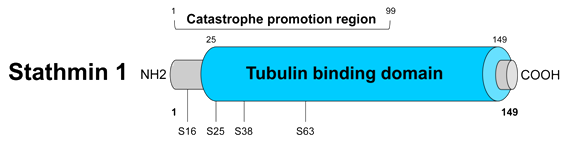
Figure 1. Representation of primary structure of Stathmin 1 protein. The catastrophe promotion region (aa 1 - 99) and the four serine phosphorylation sites (S16, S25, S38 and S63) at the N-terminal, and the tubulin binding domain (aa 25 - 149) at the C-terminal are illustrated in the figure. Reproduced with permission of the editor-in-chief of BMB reports from Machado-Neto et al., 2014b.
Description
Stathmin 1 belongs to the Stathmin protein family, which is characterized by the presence of a Stathmin-like domain (also known as tubulin-binding domain) that participates in interactions/sequestering of alpha/beta-tubulin heterodimers (Figure 1).
Expression
Ubiquitous. Stathmin 1 is highly expressed during embryonic development. In adult cells, it is expressed during cell proliferation, and in nervous tissue and testis (revised in Curmi et al., 1999).
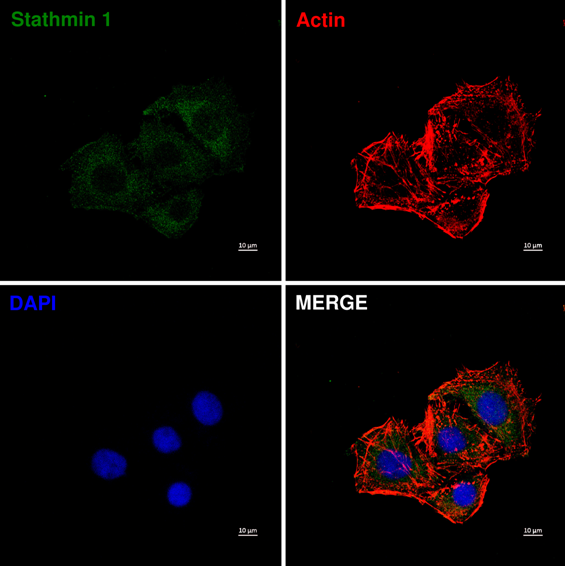
Figure 2. Intracellular localization of Stathmin 1 protein in HeLa cells. Confocal analysis of HeLa cells displaying Stathmin 1 (green), Actin (red) and DAPI (blue) staining; MERGE shows the overlapped images. Scale bar: 10 μm. Note the predominant cytoplasmic localization of Stathmin 1. Anti-Stathmin 1 (OP18; sc-55531) was from Santa Cruz Biotechnology, (Santa Cruz, CA, USA), Phalloidin (A12379) and DAPI (P-36931) were from Invitrogen (Carlsbad, CA, USA). Personal data.
Localisation
Stathmin 1 is predominantly found in the cytoplasm (Figure 2).
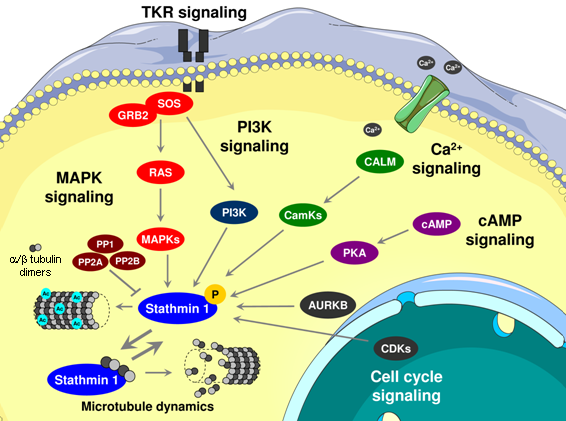
Figure 3. Stathmin 1 signaling. Stathmin 1 may be phosphorylated on serine sites by cyclin-dependent kinases (CDKs), mitogen-activated protein kinases (MAPKs), phosphoinositide 3-kinase (PI3K), aurora kinase B (AURKB), protein kinase A (PKA), and Ca2+/calmodulin-dependent protein kinases (CamKs), leading to microtubule stability. On the other hand, Stathmin 1 may be dephosphorylated by protein phosphatase 1 (PP1), protein phosphatase 2A (PP2A) and protein phosphatase 2B (PP2B), resulting in microtubule instability. Abbreviations: TKR: tyrosine kinase receptor; P: phosphorylation; Ac: acetylation. This figure was performed using Servier Medical Art tools (http://www.servier.com/Powerpoint-image-bank).
Function
Stathmin 1 is a phosphoprotein that participates in microtubule catastrophe and/or in the sequestering of alpha/beta-tubulin heterodimers, regulates microtubule dynamics, cell cycle progression, proliferation, motility and survival (Curmi et al., 1999; Belletti and Baldassarre, 2011). The main mechanism of regulation of Stathmin 1 activity on based in its phophorylated and unphosphorylated status at serine sites (residues 16, 25, 38 and 68). Stathmin 1 phosphorylation at serine 16 and/or 63 reduces the affinity between Stathmin 1 and alpha/beta-tubulin heterodimers. The proteins that are able to phosphorylate Stathmin 1 at serine 16 and/or 63 are: aurora kinase B, protein kinase A (PKA), P21 protein (Cdc42/Rac)-activated kinase (PAK1) and Ca2+/calmodulin-dependent protein kinases (CamKs). Serine 25 and/or 38 may be phosphorylated by cyclin-dependent kinases (CDKs), mitogen-activated protein kinases (MAPKs) and phosphoinositide 3-kinase (PI3K) (Belletti and Baldassarre, 2011). Phosphatase proteins that are able to dephosphorylate Stathmin 1 includes: protein phosphatase 1 (PP1), protein phosphatase 2A (PP2A) and protein phosphatase 2B (PP2B) (Guy et al., 1992; Tournebize et al., 1997; Mistry et al., 1998) (Figure 3).
Homology
Stathmin 1 shares high homology with the other members of the Stathmin protein family including Stathmin-like 2 (also named SCG10), Stathmin-like 3 (also named SCLIP) and Stathmin-like 4 (also named RB3). Stathmin 1 also shares high homology among different species (Table 1).
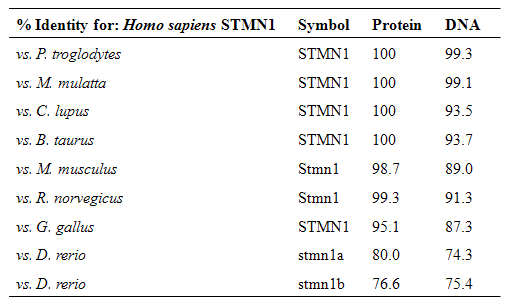
Table 1. Comparative identity of human STMN1 with other species. Source: HomoloGene.
Implicated in
Entity name
Various cancers
Note
The role and clinical impact of Stathmin 1 has been extensively addressed in many types of human cancers. In general, the increased expression of Stathmin 1 is found in many cancers and confers a poor prognosis (revised in Belletti and Baldassarre, 2011 and Rana et al., 2008). Using cancer cell line models, several groups have demonstrated that Stathmin 1 inhibition may partially reverse the malignant phenotype.
Entity name
Hematopoietic neoplasms
Note
Stathmin 1 was initially identified by proteomics analysis of HL60 leukemia cells (Feuerstein and Cooper, 1983). In primary acute leukemia and lymphoma samples, and leukemia cell lines, several independent groups have showed that Stathmin 1 is highly expressed (Hanash et al., 1988; Melhem et al., 1991; Melhem et al., 1997; Roos et al., 1993; Machado-Neto et al., 2014a; Brattsand et al., 1993); however its impact on survival outcome remains unknown. A recent study of immunophenotypic and molecular features of a large series of follicular lymphomas indicated that Stathmin 1 represents an useful novel diagnostic marker for these diseases (Marafioti et al., 2013). Importantly, Stathmin 1 silencing resulted in marked inhibition of tumorigenicity, proliferation and clonogenicity in leukemia cell lines (K562, U937 and Namalwa cells) (Machado-Neto et al., 2014a; Jeha et al., 1996; Iancu et al., 2001).
In a study that focused on the identification of biomarkers of human aging and aging-related diseases, Stathmin 1 was found upregulated in plasma samples from myelodysplastic patients (Jiang et al., 2008). Recently, increased levels of Stathmin 1 were reported in bone marrow and CD34+ cells from high-risk myelodysplastic syndromes patients and during disease progression (Machado-Neto et al., 2014a). Notably, higher Stathmin 1 expression was associated with high-risk disease and higher bone marrow blasts percentage (Machado-Neto et al., 2014a), but did not impacted survival.
Stathmin 1 was also identified as one of the 15 most relevant genes for determining the outcome in myeloma multiple patients by microarray approach (Decaux et al., 2008).
In a study that focused on the identification of biomarkers of human aging and aging-related diseases, Stathmin 1 was found upregulated in plasma samples from myelodysplastic patients (Jiang et al., 2008). Recently, increased levels of Stathmin 1 were reported in bone marrow and CD34+ cells from high-risk myelodysplastic syndromes patients and during disease progression (Machado-Neto et al., 2014a). Notably, higher Stathmin 1 expression was associated with high-risk disease and higher bone marrow blasts percentage (Machado-Neto et al., 2014a), but did not impacted survival.
Stathmin 1 was also identified as one of the 15 most relevant genes for determining the outcome in myeloma multiple patients by microarray approach (Decaux et al., 2008).
Entity name
Breast cancer
Note
Using Western blot analysis, Brattsand (Brattsand, 2000) reported that Stathmin 1 expression positively correlated with proliferation status and aggressiveness in a panel of 151 primary breast carcinoma samples. Similar results were found by Curmi and colleagues (Curmi et al., 2000), who also reported that Stathmin 1 overexpression correlated with loss of steroid receptors, histopathological grade III and mitotic index. Importantly, Stathmin 1 expression was indicated as a potential tool for predicting the outcome of breast cancer patients with lymph node metastasis and its expression was increased in the group with poor prognosis (Oishi et al., 2007). By multivariate analysis, high Stathmin 1 expression predicted reduced disease-free survival (Saal et al., 2007; Golouh et al., 2008; Baquero et al., 2012) and overall survival (Baquero et al., 2012). Decreased Stathmin 1 phosphorylation at serine 16 (an inhibitory site) correlated with the more metastatic phenotype in breast cancers cell lines and primary tumors (Li et al., 2011). Using breast cancer cell lines and gene therapy tools, Stathmin 1 inhibition, by adenovirus-mediated gene transfer of anti-Stathmin 1 ribozyme, resulted in a dose-dependent inhibition of proliferation, apoptosis induction and had an additive effect together low concentration of taxol treatment in vitro and in vivo (Miceli et al., 2013).
Entity name
Ovarian cancer
Note
Stathmin 1 overexpression has been described in ovarian cancer patients (Alaiya et al., 1997; Price et al., 2000). Wei and colleagues (Wei et al., 2008) observed that Stathmin 1 was expressed in all ovarian cancer samples analyzed and higher levels were observed in the metastatic tumors and negatively impacted survival by univariate analysis. In agreement, Stathmin 1 overexpression was found in primary high-grade serous ovarian carcinomas and ovarian cancer cell lines (Karst et al., 2011). High levels of Stathmin 1 predicted an unfavorable prognosis in ovarian cancer patients under paclitaxel and/or platinum therapy (Su et al., 2009; Aoki et al., 2009) also by univariate analysis. In p53 mutated ovarian cancer cell lines, Stathmin 1 silencing caused cell cycle arrest and apoptosis in vivo and in vivo (Sonego et al., 2013).
Entity name
Head and neck cancer
Note
Using proteomics approach, Stathmin 1 was found to be differently expressed in oral squamous-cell carcinoma and laryngeal squamous-cell carcinoma (Koike et al., 2005; Sewell et al., 2007). Stathmin 1 expression was also found to be significantly increased in oral squamous-cell carcinoma cell lines and primary tumors and its high expression correlated with advanced stages of the disease and poor disease-free survival by univariate analysis (Kouzu et al., 2006). In head-neck squamous-cell carcinoma, Stathmin 1 was expressed at low levels (76% cases) and did not impact recurrence (Canzonieri et al., 2012). Cheng and colleagues (Cheng et al., 2008) identified an upregulation of Stathmin 1 in primary nasopharyngeal carcinoma and its expression was associated with recurrence and advanced stages of the disease. In agreement, Hsu and colleagues (Hsu et al., 2014) reported that Stathmin 1 was overexpressed in approximately 50% of the nasopharyngeal carcinoma samples and was associated with advanced age, high-grade tumors and was an independent predictor of worse disease-free survival. Notably, knockdown of Stathmin 1 suppressed cell cycle progression, proliferation, migration, invasion, xenograft tumor growth, induced apoptosis and potentiated paclitaxel response in nasopharyngeal carcinoma cell lines (CNE1-LMP1 and HNE2 cells) (Wu et al., 2014).
Entity name
Hepatocarcinoma
Note
Yuan and colleagues (Yuan et al., 2006) reported a high Stathmin 1 expression in 56% of 156 hepatocarcinoma patients and high Stathmin 1 expression was associated with increased tumor size, tumor grade, metastasis, p53 mutation status and negatively impacted survival in univariate analysis. In agreement, elevated Stathmin 1 levels were also reported by Singer and colleagues (Singer et al., 2007) and were associated with the presence of undifferentiated tumors. Other studies observed an increased Stathmin 1 expression in tumor tissue compared to matched normal tissue, and a positive association between Stathmin 1 overexpression and recurrence or poor prognosis in univariate analysis (Hsieh et al., 2010; Chen et al., 2013b). In hepatocarcinoma cell lines, Stathmin 1 silencing reduced cell proliferation, viability, migration and augmented the response to paclitaxel, vinblastine and cisplatin treatment (Singer et al., 2007; Hsieh et al., 2010; Gan et al., 2010).
Entity name
Endometrial cancer
Note
In a multicenter study including 1076 endometrial patients, Stathmin 1 overexpression was detected in 37% of cases and correlated with high grade disease and aneuploidy, and was an independent predictor of metastasis and worse disease specific survival (Trovik et al., 2011). In another study from the same group (Trovik et al., 2010), high Stathmin 1 expression was associated with a higher probability of endometrial cancer recurrence and PI3K activation. Additionally, a study conducted by Salvesen and colleagues (Salvesen et al., 2009), investigating the impact of PI3K activation in endometrial cancer, identified that high Stathmin 1 expression was an independent predictor of aggressive phenotype and worse survival. Of note, Wik and colleagues (Wik et al., 2013) reported that the levels of Stathmin 1 phosphorylation at serine 38 site were associated with poor prognosis, tumor cell proliferation, increased PIK3CA copy number and PI3K activation by multivariate analysis. Werner and colleagues (Werner et al., 2014), using endometrial cancer cell lines, showed that Stathmin 1 silencing potentiated the response to paclitaxel treatment. This finding was confirmed in vivo: endometrial cancer patients with high Stathmin 1 expression had a poor response to paclitaxel therapy (Werner et al., 2014).
Entity name
Bladder cancer and urothelial carcinoma
Note
Using quantitative PCR targeting 110 relevant cancer genes, Dubosq and colleagues (Dubosq et al., 2012) detected Stathmin 1 as highly expressed in early recurrence, compared to late or null recurrence cancer in a cohort of 47 bladder cancer patients, suggesting a role for this protein in the time of recurrence. Bhagirath and colleagues (Bhagirath et al., 2012) reported elevated STMN1 mRNA levels in muscle invasive tumors. In agreement, patients with high Stathmin 1 expression under taxane therapy had decreased recurrence-free survival by univariate analysis (Wosnitzer et al., 2011). In a cohort of 58 urothelial carcinoma patients, multivariate analysis revealed that Stathmin 1 positivity was associated with high grade tumors, recurrence and negatively impacted survival (Lin et al., 2009).
Entity name
Colorectal cancer
Note
In a cohort of 149 patients with colorectal cancer, high Stathmin 1 levels were an independent predictor of worse overall survival (Zheng et al., 2010). In addition, Stathmin 1 expression was associated with tumor differentiation, invasion and stage of the disease (Zheng et al., 2010). In contrast, Ogino and colleagues (Ogino et al., 2009) showed that, by multivariate analysis, Stathmin 1 positivity had a protective effect on survival in a cohort of 546 colorectal patients (stratified in obese and non-obese individuals). Interestingly, obesity had a negative impact on survival in Stathmin 1 positive patients, but not in Stathmin 1-negative patients (Ogino et al., 2009). A recent study conduced by Tan and colleagues (Tan et al., 2012) corroborated the findings from Zheng and colleagues (Zheng et al., 2010), indicating that high Stathmin 1 levels negatively impacted survival in a cohort of 324 colorectal cancer patients in univariate analysis. Tan and colleagues (Tan et al., 2012) also demonstrated functional evidences that Stathmin 1 is a positive regulator of cell proliferation, clonogenicity, migration and invasion in colorectal cancer cell lines.
Entity name
Gastric cancer
Note
Jeon and colleagues (Jeon et al., 2010) reported that a high expression of Stathmin 1 was an independent predictor of shorter recurrence-free survival, and associated with lymph node metastasis and high grade stages in a cohort of 226 gastric cancer patients. The authors, using two different gastric cancer cell lines (SNU638 and SNU16 cells), demonstrated that Stathmin 1 silencing decreased cell proliferation, migration, invasion and xenograft tumor growth (Jeon et al., 2010). Kang and colleagues (Kang et al., 2012), and Ke and colleagues (Ke et al., 2013), identified high Stathmin 1 expression in cell lines and primary cells from gastric cancer and predicted poor prognosis by univariate analysis. Interestingly, Kang and colleagues (Kang et al., 2012) also reported that Stathmin 1 silencing reduced the malignant phenotype in vitro and in vivo, and suggested that miR-223 is involved in the regulation of Stathmin 1 expression in gastric cancer cell lines (AGS and MKN7 cells). Another study, using lentivirus mediated RNAi delivery, also demonstrated that Stathmin 1 silencing reduced cell proliferation, migration and xenograft tumor growth in MKN-45 gastric cancer cells (Akhtar et al., 2013).
Entity name
Prostate cancer
Note
Using high-throughput immunoblotting, elevated Stathmin 1 expression was found in metastatic prostate cancer protein extracts (Varambally et al., 2005). Another study reported that Stathmin 1 expression was higher in advanced prostate tumors (Ghosh et al., 2007). Stathmin 1 silencing resulted in cell cycle arrest, reduced clonogenicity and increased apoptosis in prostate cancer cell line (LNCaP cells) (Mistry et al., 2005). In contrast, Stathmin 1 inhibition augmented the epithelial-to-mesenchymal transition and metastasis potential in another prostate cancer cell line (DU145 cells) (Williams et al., 2012).
Entity name
Pheochromocytomas
Note
In a study conducted by Sadow and colleagues (Sadow et al., 2008), among the endocrine tumors, high levels of Stathmin 1 were observed in malignant pheochromocytomas. These results were confirmed by two other groups, who reported an overexpression of Stathmin 1 in malignant/metastatic pheochromocytomas compared to benign tumors or normal tissues (Björklund et al., 2010; Lin et al., 2011).
Entity name
Cervical cancer
Note
A higher Stathmin 1 expression was found in primary cells and cell lines from cervical carcinoma compared to normal cervical epithelial cells and also in tumor cells compared to matched adjacent non-carcinoma tissue (Xi et al., 2009). Increased Stathmin 1 expression correlated with a worse clinical stage and metastasis (Xi et al., 2009). Another study found Stathmin 1 overexpression in all cervical and rare expression of Stathmin 1 in benign samples; the authors suggest that the analysis of Stathmin 1 may be useful diagnostically in the identification of cervical cancer (Howitt et al., 2013).
Entity name
Glioma
Note
In a cohort of 24 glioma patients, increased Stathmin 1 levels were associated with decreased recurrence-free survival in univariate analysis (Ngo et al., 2007). Similar results were observed in a xenograft glioma nitrosourea-treated model (Ngo et al., 2007). Dong and colleagues (Dong et al., 2012) observed that Stathmin 1 expression was aberrantly expressed in vascular endothelial cells from glioma, especially in high grade cases and the Stathmin 1 silencing reduced cell proliferation and invasion, and induced apoptosis in glioma-derived microvascular endothelial cells.
Entity name
Lung cancer
Note
Chen and colleagues (Chen et al., 2003) reported a high expression of Stathmin 1 in a cohort of 93 lung adenocarcinoma patients and this expression was associated with poorly differentiated tumors. Stathmin 1 overexpression was also found in primary non-small cell lung tumors matched with normal tissues (Singer et al., 2009). Rosell and colleagues (Rosell et al., 2003) observed that high Stathmin 1 levels negatively affected the time to progression in non-small-cell lung cancer patients, by univariate analysis. Of note, Stathmin 1 inhibition decreased proliferation, migration and invasion in non-small cell lung cancer cell lines (Calu-1 and Calu-6 cells) (Singer et al., 2009).
Entity name
Medulloblastoma
Note
Using a microarray approach, Stathmin 1 was identified as differentially expressed in primary medulloblastoma samples and it was associated with unfavorable overall survival (Neben et al., 2004). Accordingly, Kuo and colleagues (Kuo et al., 2009) reported that Stathmin 1 correlated with tumor dissemination and predicted decreased survival in medulloblastoma patients, by univariate analysis in both studies.
Entity name
Pancreatic cancer
Note
Lu and colleagues (Lu et al., 2014) reported that Stathmin 1 was overexpressed in pancreatic cancer samples and that high Stathmin 1 levels were correlated with vascular emboli, tumor size, and negatively impacted overall survival in univariate analysis. In addition, Stathmin 1 silencing in pancreatic cancer cells resulted in reduced cell proliferation, clonogenicity and cell cycle arrest (Lu et al., 2014; Jiang et al., 2009).
Entity name
Thyroid cancer
Note
Using cDNA microarray approach, Onda and colleagues (Onda et al., 2004) reported that Stathmin 1 was overexpressed in all anaplastic thyroid cancer cell lines analyzed and this was confirmed by immunohistochemical analyses in primary samples. Another study also observed that Stathmin 1 was highly expressed in anaplastic thyroid carcinomas (Sadow et al., 2008).
Entity name
Cholangiocarcinoma
Note
In a cohort of 80 extrahepatic cholangiocarcinoma patients, high levels of Stathmin 1 correlated with invasion and shorter recurrence-free survival by multivariate analysis (Watanabe et al., 2014). The authors also demonstrated that Stathmin 1 silencing resulted in reduced cell proliferation capacity and increased sensitivity to paclitaxel treatment in a cholangiocarcinoma cell line (Watanabe et al., 2014).
Entity name
Melanoma
Note
In primary melanoma samples, Stathmin 1 was highly expressed in two independent cohorts, but did not impacts survival (Chen et al., 2013a). Stathmin 1 silencing reduced cell proliferation and migration. Furthermore, Stathmin 1 overexpression potentiated both these cell processes in melanoma cell lines (Malme-3M and A375 cells) (Chen et al., 2013a).
Entity name
Mesothelioma
Note
Overexpression of Stathmin 1 was found in all mesothelioma cell lines tested (LRK1A, H2052, 211H, H290, MS1, H513 and H28 cells) and also in primary tumors compared to its matched normal tissue (Kim et al., 2007).
Entity name
Pediatric brain cancer
Note
Using 2-dimensional differential in-gel electrophoresis, immunohistochemistry and quantitative PCR, Stathmin 1 was identified as highly expressed in primary primitive neuroectodermal tumors compared to ependymomas samples (de Bont et al., 2007).
Entity name
Renal cancer
Note
In Wilms tumors, Stathmin 1 was highly expressed in high grade compared to low grade tumors (Takahashi et al., 2002).
Entity name
Sarcoma
Note
Belletti and colleagues (Belletti et al., 2008) reported that Stathmin 1 was increased in recurrent and metastatic sarcoma samples. In addition, overexpression of the wild type Stathmin 1 or mutated Stathmin 1 (Q18E, gain-of-function mutation) potentiated the malignant phenotype in the sarcoma cell line HT1080 (Belletti et al., 2008).
Entity name
Salivary cancer
Note
Using 2-dimensional differential in-gel electrophoresis, increased Stathmin 1 expression was found in adenoid cystic carcinoma (Nakashima et al., 2006).
Article Bibliography
| Pubmed ID | Last Year | Title | Authors |
|---|---|---|---|
| 24040910 | 2013 | Lentiviral-mediated RNA interference targeting stathmin1 gene in human gastric cancer cells inhibits proliferation in vitro and tumor growth in vivo. | Akhtar J et al |
| 9398045 | 1997 | Phenotypic analysis of ovarian carcinoma: polypeptide expression in benign, borderline and malignant tumors. | Alaiya AA et al |
| 19228748 | 2009 | Overexpression of class III beta-tubulin predicts good response to taxane-based chemotherapy in ovarian clear cell adenocarcinoma. | Aoki D et al |
| 22359235 | 2012 | Stathmin expression and its relationship to microtubule-associated protein tau and outcome in breast cancer. | Baquero MT et al |
| 21978024 | 2011 | Stathmin: a protein with many tasks. New biomarker and potential target in cancer. | Belletti B et al |
| 22626996 | 2012 | Expression of CD147, BIGH3 and Stathmin and their potential role as diagnostic marker in patients with urothelial carcinoma of the bladder. | Bhagirath D et al |
| 19449284 | 2010 | Stathmin as a marker for malignancy in pheochromocytomas. | Björklund P et al |
| 8464235 | 1993 | Quantitative analysis of the expression and regulation of an activation-regulated phosphoprotein (oncoprotein 18) in normal and neoplastic cells. | Brattsand G et al |
| 10917544 | 2000 | Correlation of oncoprotein 18/stathmin expression in human breast cancer with established prognostic factors. | Brattsand G et al |
| 21412768 | 2012 | Alteration of G1/S transition regulators influences recurrences in head and neck squamous carcinomas. | Canzonieri V et al |
| 12644570 | 2003 | Overexpression of oncoprotein 18 correlates with poor differentiation in lung adenocarcinomas. | Chen G et al |
| 22665054 | 2013 | Stathmin 1 is a potential novel oncogene in melanoma. | Chen J et al |
| 22911364 | 2013 | The E2F transcription factor 1 transactives stathmin 1 in hepatocellular carcinoma. | Chen YL et al |
| 18223218 | 2008 | Identification of novel nasopharyngeal carcinoma biomarkers by laser capture microdissection and proteomic analysis. | Cheng AL et al |
| 15216892 | 1999 | Stathmin and its phosphoprotein family: general properties, biochemical and functional interaction with tubulin. | Curmi PA et al |
| 10638981 | 2000 | Overexpression of stathmin in breast carcinomas points out to highly proliferative tumours. | Curmi PA et al |
| 23029098 | 2012 | Stathmin is dispensable for tumor onset in mice. | D'Andrea S et al |
| 18591550 | 2008 | Prediction of survival in multiple myeloma based on gene expression profiles reveals cell cycle and chromosomal instability signatures in high-risk patients and hyperdiploid signatures in low-risk patients: a study of the Intergroupe Francophone du Myélome. | Decaux O et al |
| 22038457 | 2012 | Stathmin expression in glioma-derived microvascular endothelial cells: a novel therapeutic target. | Dong B et al |
| 21489836 | 2012 | Identification of a three-gene expression signature of early recurrence in non-muscle-invasive urothelial cell carcinoma of the bladder. | Dubosq F et al |
| 6577004 | 1983 | Rapid protein phosphorylation induced by phorbol ester in HL-60 cells. Unique alkali-stable phosphorylation of a 17,000-dalton protein detected by two-dimensional gel electrophoresis. | Feuerstein N et al |
| 20204289 | 2010 | Up-regulated expression of stathmin may be associated with hepatocarcinogenesis. | Gan L et al |
| 17455228 | 2007 | Increased expression and differential phosphorylation of stathmin may promote prostate cancer progression. | Ghosh R et al |
| 17874182 | 2008 | The prognostic value of Stathmin-1, S100A2, and SYK proteins in ER-positive primary breast cancer patients treated with adjuvant tamoxifen monotherapy: an immunohistochemical study. | Golouh R et al |
| 1370482 | 1992 | Okadaic acid mimics multiple changes in early protein phosphorylation and gene expression induced by tumor necrosis factor or interleukin-1. | Guy GR et al |
| 3417633 | 1988 | Identification of a polypeptide associated with the malignant phenotype in acute leukemia. | Hanash SM et al |
| 16624860 | 2006 | Aneugenic activity of Op18/stathmin is potentiated by the somatic Q18-->e mutation in leukemic cells. | Holmfeldt P et al |
| 23211296 | 2013 | Stathmin-1 expression as a complement to p16 helps identify high-grade cervical intraepithelial neoplasia with increased specificity. | Howitt BE et al |
| 20232364 | 2010 | Stathmin1 overexpression associated with polyploidy, tumor-cell invasion, early recurrence, and poor prognosis in human hepatoma. | Hsieh SY et al |
| 24218338 | 2014 | Overexpression of stathmin 1 confers an independent prognostic indicator in nasopharyngeal carcinoma. | Hsu HP et al |
| 11181174 | 2001 | Effects of stathmin inhibition on the mitotic spindle. | Iancu C et al |
| 8640838 | 1996 | Antisense RNA inhibition of phosphoprotein p18 expression abrogates the transformed phenotype of leukemic cells. | Jeha S et al |
| 20087351 | 2010 | Overexpression of stathmin1 in the diffuse type of gastric cancer and its roles in proliferation and migration of gastric cancer cells. | Jeon TY et al |
| 18695223 | 2008 | Proteins induced by telomere dysfunction and DNA damage represent biomarkers of human aging and disease. | Jiang H et al |
| 18930345 | 2009 | Down-regulation of stathmin is required for TGF-beta inducible early gene 1 induced growth inhibition of pancreatic cancer cells. | Jiang L et al |
| 22470493 | 2012 | Stathmin1 plays oncogenic role and is a target of microRNA-223 in gastric cancer. | Kang W et al |
| 21683992 | 2011 | Stathmin 1, a marker of PI3K pathway activation and regulator of microtubule dynamics, is expressed in early pelvic serous carcinomas. | Karst AM et al |
| 23760979 | 2013 | Overexpression of stathmin 1 is associated with poor prognosis of patients with gastric cancer. | Ke B et al |
| 17352214 | 2007 | Stathmin is overexpressed in malignant mesothelioma. | Kim JY et al |
| 15942644 | 2005 | Identification of differentially expressed proteins in oral squamous cell carcinoma using a global proteomic approach. | Koike H et al |
| 16495930 | 2006 | Overexpression of stathmin in oral squamous-cell carcinoma: correlation with tumour progression and poor prognosis. | Kouzu Y et al |
| 19569914 | 2009 | High expression of stathmin protein predicts a fulminant course in medulloblastoma. | Kuo MF et al |
| 21768358 | 2011 | Siva1 suppresses epithelial-mesenchymal transition and metastasis of tumor cells by inhibiting stathmin and stabilizing microtubules. | Li N et al |
| 11839567 | 2002 | Stathmin-deficient mice develop an age-dependent axonopathy of the central and peripheral nervous systems. | Liedtke W et al |
| 21515208 | 2011 | Stathmin immunoreactivity in phaeochromocytomas and paragangliomas: differential expression between benign and malignant neoplasms. | Lin WC et al |
| 24588766 | 2014 | Stathmin, interacting with Nf-κB, promotes tumor growth and predicts poor prognosis of pancreatic cancer. | Lu Y et al |
| 24667172 | 2014 | Stathmin 1 in normal and malignant hematopoiesis. | Machado-Neto JA et al |
| 23509938 | 2013 | Another look at follicular lymphoma: immunophenotypic and molecular analyses identify distinct follicular lymphoma subgroups. | Marafioti T et al |
| 22312434 | 2012 | Murine GRPR and stathmin control in opposite directions both cued fear extinction and neural activities of the amygdala and prefrontal cortex. | Martel G et al |
| 9324290 | 1997 | Quantitative analysis of Op18 phosphorylation in childhood acute leukemia. | Melhem R et al |
| 1917919 | 1991 | Characterization of the gene for a proliferation-related phosphoprotein (oncoprotein 18) expressed in high amounts in acute leukemia. | Melhem RF et al |
| 23618950 | 2013 | Cell cycle inhibition therapy that targets stathmin in in vitro and in vivo models of breast cancer. | Miceli C et al |
| 12242154 | 2002 | Transforming properties of a Q18-->E mutation of the microtubule regulator Op18. | Misek DE et al |
| 16373697 | 2005 | Targeting stathmin in prostate cancer. | Mistry SJ et al |
| 9693097 | 1998 | Role for protein phosphatases in the cell-cycle-regulated phosphorylation of stathmin. | Mistry SJ et al |
| 16094606 | 2006 | Protein expression profiling identifies maspin and stathmin as potential biomarkers of adenoid cystic carcinoma of the salivary glands. | Nakashima D et al |
| 15126347 | 2004 | Microarray-based screening for molecular markers in medulloblastoma revealed STK15 as independent predictor for survival. | Neben K et al |
| 17440165 | 2007 | The 1p-encoded protein stathmin and resistance of malignant gliomas to nitrosoureas. | Ngo TT et al |
| 19513025 | 2009 | A cohort study of STMN1 expression in colorectal cancer: body mass index and prognosis. | Ogino S et al |
| 17285241 | 2007 | Functional pathway characterized by gene expression analysis of supraclavicular lymph node metastasis-positive breast cancer. | Oishi Y et al |
| 15613457 | 2004 | Comprehensive gene expression profiling of anaplastic thyroid cancers with cDNA microarray of 25 344 genes. | Onda M et al |
| 11107442 | 2000 | The phosphoprotein Op18/stathmin is differentially expressed in ovarian cancer. | Price DK et al |
| 18759697 | 2008 | Stathmin 1: a novel therapeutic target for anticancer activity. | Rana S et al |
| 8412315 | 1993 | Expression of oncoprotein 18 in human leukemias and lymphomas. | Roos G et al |
| 12789263 | 2003 | Transcripts in pretreatment biopsies from a three-arm randomized trial in metastatic non-small-cell lung cancer. | Rosell R et al |
| 17452630 | 2007 | Poor prognosis in carcinoma is associated with a gene expression signature of aberrant PTEN tumor suppressor pathway activity. | Saal LH et al |
| 18461287 | 2008 | Stathmin expression in pheochromocytomas, paragangliomas, and in other endocrine tumors. | Sadow PM et al |
| 19261849 | 2009 | Integrated genomic profiling of endometrial carcinoma associates aggressive tumors with indicators of PI3 kinase activation. | Salvesen HB et al |
| 8662897 | 1996 | Normal development of mice lacking metablastin (P19), a phosphoprotein implicated in cell cycle regulation. | Schubart UK et al |
| 17127822 | 2007 | Proteomic signatures in laryngeal squamous cell carcinoma. | Sewell DA et al |
| 16286011 | 2005 | stathmin, a gene enriched in the amygdala, controls both learned and innate fear. | Shumyatsky GP et al |
| 17663418 | 2007 | Protumorigenic overexpression of stathmin/Op18 by gain-of-function mutation in p53 in human hepatocarcinogenesis. | Singer S et al |
| 19258502 | 2009 | Coordinated expression of stathmin family members by far upstream sequence element-binding protein-1 increases motility in non-small cell lung cancer. | Singer S et al |
| 23610071 | 2013 | Stathmin regulates mutant p53 stability and transcriptional activity in ovarian cancer. | Sonego M et al |
| 19322891 | 2009 | Stathmin and tubulin expression and survival of ovarian cancer patients receiving platinum treatment with and without paclitaxel. | Su D et al |
| 12438255 | 2002 | Gene expression profiling of favorable histology Wilms tumors and its correlation with clinical features. | Takahashi M et al |
| 22181002 | 2012 | Proteomic analysis of colorectal cancer metastasis: stathmin-1 revealed as a player in cancer cell migration and prognostic marker. | Tan HT et al |
| 9312013 | 1997 | Distinct roles of PP1 and PP2A-like phosphatases in control of microtubule dynamics during mitosis. | Tournebize R et al |
| 21242118 | 2011 | Stathmin overexpression identifies high-risk patients and lymph node metastasis in endometrial cancer. | Trovik J et al |
| 16286247 | 2005 | Integrative genomic and proteomic analysis of prostate cancer reveals signatures of metastatic progression. | Varambally S et al |
| 24708177 | 2014 | Stathmin1 regulates p27 expression, proliferation and drug resistance, resulting in poor clinical prognosis in cholangiocarcinoma. | Watanabe A et al |
| 18054374 | 2008 | Prognostic significance of stathmin expression in correlation with metastasis and clinicopathological characteristics in human ovarian carcinoma. | Wei SH et al |
| 24587245 | 2014 | Stathmin protein level, a potential predictive marker for taxane treatment response in endometrial cancer. | Werner HM et al |
| 23538402 | 2013 | High phospho-Stathmin(Serine38) expression identifies aggressive endometrial cancer and suggests an association with PI3K inhibition. | Wik E et al |
| 22915755 | 2012 | Inhibition of stathmin1 accelerates the metastatic process. | Williams K et al |
| 21944130 | 2011 | Predictive value of microtubule associated proteins tau and stathmin in patients with nonmuscle invasive bladder cancer receiving adjuvant intravesical taxane therapy. | Wosnitzer MS et al |
| 24306928 | 2014 | A combination of paclitaxel and siRNA-mediated silencing of Stathmin inhibits growth and promotes apoptosis of nasopharyngeal carcinoma cells. | Wu Y et al |
| 19034510 | 2009 | Expression of stathmin/op18 as a significant prognostic factor for cervical carcinoma patients. | Xi W et al |
| 16739096 | 2006 | Stathmin overexpression cooperates with p53 mutation and osteopontin overexpression, and is associated with tumour progression, early recurrence, and poor prognosis in hepatocellular carcinoma. | Yuan RH et al |
| 20806969 | 2010 | Stathmin, a new target of PRL-3 identified by proteomic methods, plays a key role in progression and metastasis of colorectal cancer. | Zheng P et al |
| 17549010 | 2007 | Identification of novel biomarkers in pediatric primitive neuroectodermal tumors and ependymomas by proteome-wide analysis. | de Bont JM et al |
Other Information
Locus ID:
NCBI: 3925
MIM: 151442
HGNC: 6510
Ensembl: ENSG00000117632
Variants:
dbSNP: 3925
ClinVar: 3925
TCGA: ENSG00000117632
COSMIC: STMN1
RNA/Proteins
Expression (GTEx)
Pathways
| Pathway | Source | External ID |
|---|---|---|
| MAPK signaling pathway | KEGG | ko04010 |
| MAPK signaling pathway | KEGG | hsa04010 |
| MicroRNAs in cancer | KEGG | hsa05206 |
| MicroRNAs in cancer | KEGG | ko05206 |
Protein levels (Protein atlas)
References
| Pubmed ID | Year | Title | Citations |
|---|---|---|---|
| 37642368 | 2024 | STMN1 promotes cell malignancy and bortezomib resistance of multiple myeloma cell lines via PI3K/AKT signaling. | 0 |
| 38244401 | 2024 | The knockdown of stathmin with si-RNA inhibits invasion of mesothelioma. | 0 |
| 37642368 | 2024 | STMN1 promotes cell malignancy and bortezomib resistance of multiple myeloma cell lines via PI3K/AKT signaling. | 0 |
| 38244401 | 2024 | The knockdown of stathmin with si-RNA inhibits invasion of mesothelioma. | 0 |
| 36749137 | 2023 | Stathmin 1 and p53 Expression in Cutaneous Squamous Cell Carcinoma and Precursor Lesions. | 1 |
| 37466108 | 2023 | Expression of stathmin in asbestos-like fibers-induced mesothelioma: A preliminary report. | 1 |
| 38030185 | 2023 | Association Between High Expression of Phosphorylated-STMN1 and Mesenchymal Marker Expression and Cancer Stemness in Breast Cancer. | 0 |
| 36749137 | 2023 | Stathmin 1 and p53 Expression in Cutaneous Squamous Cell Carcinoma and Precursor Lesions. | 1 |
| 37466108 | 2023 | Expression of stathmin in asbestos-like fibers-induced mesothelioma: A preliminary report. | 1 |
| 38030185 | 2023 | Association Between High Expression of Phosphorylated-STMN1 and Mesenchymal Marker Expression and Cancer Stemness in Breast Cancer. | 0 |
| 34837603 | 2022 | STMN1 is highly expressed and contributes to clonogenicity in acute promyelocytic leukemia cells. | 2 |
| 35186166 | 2022 | Overexpression of Stathmin 1 Predicts Poor Prognosis and Promotes Cancer Cell Proliferation and Migration in Ovarian Cancer. | 4 |
| 35210426 | 2022 | Stathmin 1 is a biomarker for diagnosis of microvascular invasion to predict prognosis of early hepatocellular carcinoma. | 11 |
| 35986456 | 2022 | Association of Stathmin (Op18) with TNM Staging and Grading of Oral Squamous Cell Carcinoma and Its Role in Tumor Progression. | 0 |
| 36127700 | 2022 | STMN1 as a novel prognostic biomarker in HCC correlating with immune infiltrates and methylation. | 7 |
Citation
Joao Agostinho Machado-Neto, PhD ; Fabiola Traina
STMN1 (stathmin 1)
Atlas Genet Cytogenet Oncol Haematol. 2014-05-01
Online version: http://atlasgeneticsoncology.org/gene/42443/stmn1-(stathmin-1)
