Identity
HGNC
LOCATION
5q31.2
LOCUSID
ALIAS
AT225,G0S30,KROX-24,NGFI-A,TIS8,ZIF-268,ZNF225
FUSION GENES
DNA/RNA
Note
The gene is conserved in chimpanzee, dog, cow, mouse, rat, chicken, and zebrafish.
Description
Genomic size 3824 bp; 2 exons; + strand of chromosome 5.
Transcription
mRNA size: 3132, ORF 271-1902 (1632 nt coding sequence).
Rare occurrence of splice variants (2 variants have been described in the brain).
The EGR1 promoter contains five SREs (serum response elements). Increased transcription in response to growth factors or stress is most commonly mediated by transcription factors of the Elk-1/SAP-1/SAP-2 family, which are activated by MAP-Kinase family (mitogen activated protein kinase). Elk-1 associates with CBP (CREB binding protein) and SRF (serum response factor) to form the Ternary Complex Factor, which binds to the SREs.
The promoter also contains several SP1 consensus sequences; a putative AP-1 binding site (not conserved); at least one functional CRE (cAMP regulatory element). EGR1 regulates its own transcription by binding to functional EBS (EGR1 binding sites). A functional NFkB (p65/RelA) binding site is contained in the EGR1 promoter that allows NF-kB to increase EGR1 transcription in response to UV (ultra-violet) irradiation. EGR1 is a target of ETS transcription factors that are involved in hematopoiesis, angiogenesis and neoplasia. Finally, EGR1 promoter contains two ATF5 (activating transcription factor 5) consensus sequences at a conserved promoter position and is induced by ATF5 in cancer cell lines.
Rare occurrence of splice variants (2 variants have been described in the brain).
The EGR1 promoter contains five SREs (serum response elements). Increased transcription in response to growth factors or stress is most commonly mediated by transcription factors of the Elk-1/SAP-1/SAP-2 family, which are activated by MAP-Kinase family (mitogen activated protein kinase). Elk-1 associates with CBP (CREB binding protein) and SRF (serum response factor) to form the Ternary Complex Factor, which binds to the SREs.
The promoter also contains several SP1 consensus sequences; a putative AP-1 binding site (not conserved); at least one functional CRE (cAMP regulatory element). EGR1 regulates its own transcription by binding to functional EBS (EGR1 binding sites). A functional NFkB (p65/RelA) binding site is contained in the EGR1 promoter that allows NF-kB to increase EGR1 transcription in response to UV (ultra-violet) irradiation. EGR1 is a target of ETS transcription factors that are involved in hematopoiesis, angiogenesis and neoplasia. Finally, EGR1 promoter contains two ATF5 (activating transcription factor 5) consensus sequences at a conserved promoter position and is induced by ATF5 in cancer cell lines.
Proteins
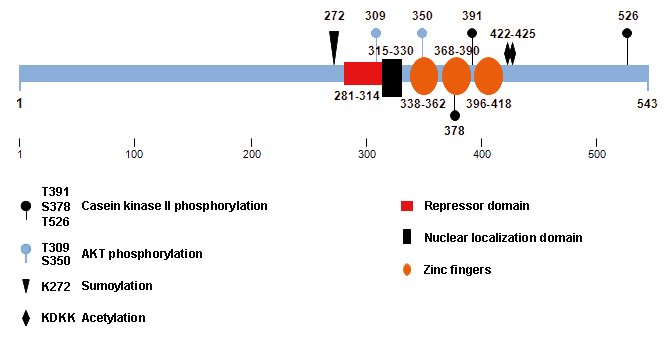
Figure 1.
Description
The protein contains 543 amino acids. Its predicted molecular weight is 57.5 kDa, however the protein migrates at an apparent molecular weight of 75-85 kDa in SDS-PAGE. It has a very short half-life of ~30 minutes to 1 hour.
EGR1 contains a highly conserved DNA-binding domain composed of three Cys2-His2 type zinc-fingers that bind to the prototype target sequence GCG(G/T)GGGCG; a nuclear localization signal that requires amino acids 361-419 (zinc fingers 2 and 3) and amino acids 315-330; two activator domains; a repressor domain between amino acids 281-314. EGR1 binds to regulatory proteins called NAB-1 (NGFA-I binding protein) and NAB2 through its repressor domain.
Post-translational modifications include phosphorylation, acetylation, ubiquitination and sumoylation (figure 1).
EGR1 contains a highly conserved DNA-binding domain composed of three Cys2-His2 type zinc-fingers that bind to the prototype target sequence GCG(G/T)GGGCG; a nuclear localization signal that requires amino acids 361-419 (zinc fingers 2 and 3) and amino acids 315-330; two activator domains; a repressor domain between amino acids 281-314. EGR1 binds to regulatory proteins called NAB-1 (NGFA-I binding protein) and NAB2 through its repressor domain.
Post-translational modifications include phosphorylation, acetylation, ubiquitination and sumoylation (figure 1).
Expression
Ubiquitous. Exhibits a distinct expression pattern in the brain. Constitutive protein expression is low in many tissues. EGR1 expression is very rapidly and strongly induced by growth factors and mitogens, cytokines, environmental and mechanical stresses, as well as DNA damage (hpr).
Localisation
Nuclear. Occasional cytoplasmic localization observed in cancer cells.
Function
EGR1 is an early response transcription factor with DNA binding activity that activates the transcription of several hundred genes. Depending on the cell type and the stimulus, EGR1 induces the expression of growth factors, growth factor receptors, extracellular matrix proteins, proteins involved in the regulation of cell growth or differentiation, and proteins involved in apoptosis, growth arrest, and stress responses.
EGR1 can compete with transcription factor SP1, which is involved in the constitutive expression of housekeeping genes and other regulatory genes. Because the consensus sequence for SP1 and EGR1 binding overlaps, EGR1 often displaces SP1 from gene promoters.
EGR1 transcriptional activity is inhibited by direct interaction with the proteins NAB1 and NAB2. Their expression is also inducible, albeit delayed compared to EGR1 induction. NAB1 and NAB2 impose an early negative feedback and thus ensure that EGR1 activity is transient, before the protein is degraded. It should be noted that deregulated expression of NAB proteins in disease may contribute to alteration of EGR1 function. For example, elevated expression of NAB2 in endothelial cells reduces angiogenesis, whereas loss of NAB2 in prostate cancer contributes to increased EGR1 activity.
EGR1 has various neurocognitive functions. It is involved in the regulation of neuronal activity and may control neuronal plasticity. EGR1 controls tissue repair, wound healing, liver regeneration, atherosclerosis, fibrosis, and other inflammation or stress-related responses. It is considered a key master regulator in cardiovascular pathology by promoting atherosclerosis, intimal thickening following vascular injury, ischemia, allograft rejection and cardiac hypertrophy. Finally, EGR1 regulates cell response to hypoxia, promotes the formation of new blood vessels from the pre-existing vasculature, and triggers tumor angiogenesis.
In cancer, EGR1 is traditionally considered a tumor suppressor. However, accumulating evidence now indicates that it can act both as a tumor suppressor and as a tumor promoter, depending on the context.
EGR1 protects normal cells from transformation by inducing apoptosis or growth arrest upon DNA damage. A strong evidence for EGR1 pro-apoptotic function is that EGR1-/- mouse embryo fibroblasts are resistant to apoptosis induced by ionizing radiation. Although EGR1-deficient mice do not spontaneously develop tumors, they display accelerated tumor growth in a two-step carcinogenesis model of skin cancer. As an example, UV-B radiation of keratinocytes induces EGR1 expression through activation of NFkB (p65/RelA), which mediates apoptosis and acts as a protection mechanism against the tumorigenic effect of UV. These observations support the notion that EGR1 participates in the suppression of DNA damage-induced tumors.
EGR1 is involved in the chemopreventive or antiproliferative effect of natural compounds such as curcumin, genistein, isoflavone, green tea extracts, and others. It also mediates the anti-proliferative effects of NSAIDs (non-steroid anti-inflammatory drug) and of other chemotherapeutic agents such as cisplatin.
In many cancer cells, EGR1 is induced by radiation, chemotherapeutic drugs, steroids and anti-inflammatory drugs, and is required for the growth arrest or apoptotic effect of these treatments. Lack of EGR1 response confers chemoresistance. This may be exploited by restoring EGR1 expression through gene therapy to increase the efficacy of radiotherapy of chemotherapy.
At later stages of cancer EGR1 tumor suppressor function is impaired by the frequent inactivation, in human tumors, of two major tumor suppressor targets of EGR1 (namely PTEN and TP53). In addition, EGR1 induction by growth factors or stress is blocked in some types of cancer cells ("resistance" to induction). This has been described in fibrosarcoma, prostate cancer, colon cancer, and RAS-transformed cells. Several mechanisms are involved. For example, RAS-induced transformation of fibroblasts results in the aberrant constitutive activation of PI3-kinase (phosphatidyl inositol 3-kinase), which causes degradation of SRF and prevents Elk-1-mediated induction of EGR1. In colon cancer cells, it is the mutational activation of Wnt-1 that prevents the SRF-mediated induction of EGR1 and other early genes in response to mitogens. Alternatively, overexpression of phospholipase D in glioma cells attenuates mitogen-induced EGR1 expression through activation of PI3-kinase.
On the other hand, EGR1 overexpression in some cancer types directly promotes cancer progression and tumor growth by increasing the expression and secretion of growth factors and cytokines, extracellular matrix proteins (Barbolina et al., 2007; Shin et al., 2010) and proteases. Egr-1 mediates growth factor-induced downregulation of E-cadherin by inducing an E-cadherin transcription repressor, Snail or Slug, which contributes to tumor invasion (Grotegut et al., 2006; Cheng et al., 2013). Mechanisms that can cause EGR1 overexpression in tumor cells include p53 mutations (observed in gliomas and prostate cancer). Mutant p53 upregulates EGR1 in prostate cancer cells by activating ERK (extracellular regulated kinase) through undefined mechanism. Constitutive activation of the ERK pathway in tumor cells appears to be a consistent cause of EGR1 expression and is often due to genetic defects affecting upstream regulators of the ERK pathway. For example, a mutation of EGFR (epidermal growth factor receptor) commonly found in lung cancer cells causes EGR1 overexpression and activation through activation of the ERK pathway. Similarly, a mutation of B-RAF present in a high percentage of melanoma results in constitutive activation of ERK and up-regulation of EGR1.
EGR1 can compete with transcription factor SP1, which is involved in the constitutive expression of housekeeping genes and other regulatory genes. Because the consensus sequence for SP1 and EGR1 binding overlaps, EGR1 often displaces SP1 from gene promoters.
EGR1 transcriptional activity is inhibited by direct interaction with the proteins NAB1 and NAB2. Their expression is also inducible, albeit delayed compared to EGR1 induction. NAB1 and NAB2 impose an early negative feedback and thus ensure that EGR1 activity is transient, before the protein is degraded. It should be noted that deregulated expression of NAB proteins in disease may contribute to alteration of EGR1 function. For example, elevated expression of NAB2 in endothelial cells reduces angiogenesis, whereas loss of NAB2 in prostate cancer contributes to increased EGR1 activity.
EGR1 has various neurocognitive functions. It is involved in the regulation of neuronal activity and may control neuronal plasticity. EGR1 controls tissue repair, wound healing, liver regeneration, atherosclerosis, fibrosis, and other inflammation or stress-related responses. It is considered a key master regulator in cardiovascular pathology by promoting atherosclerosis, intimal thickening following vascular injury, ischemia, allograft rejection and cardiac hypertrophy. Finally, EGR1 regulates cell response to hypoxia, promotes the formation of new blood vessels from the pre-existing vasculature, and triggers tumor angiogenesis.
In cancer, EGR1 is traditionally considered a tumor suppressor. However, accumulating evidence now indicates that it can act both as a tumor suppressor and as a tumor promoter, depending on the context.
EGR1 protects normal cells from transformation by inducing apoptosis or growth arrest upon DNA damage. A strong evidence for EGR1 pro-apoptotic function is that EGR1-/- mouse embryo fibroblasts are resistant to apoptosis induced by ionizing radiation. Although EGR1-deficient mice do not spontaneously develop tumors, they display accelerated tumor growth in a two-step carcinogenesis model of skin cancer. As an example, UV-B radiation of keratinocytes induces EGR1 expression through activation of NFkB (p65/RelA), which mediates apoptosis and acts as a protection mechanism against the tumorigenic effect of UV. These observations support the notion that EGR1 participates in the suppression of DNA damage-induced tumors.
EGR1 is involved in the chemopreventive or antiproliferative effect of natural compounds such as curcumin, genistein, isoflavone, green tea extracts, and others. It also mediates the anti-proliferative effects of NSAIDs (non-steroid anti-inflammatory drug) and of other chemotherapeutic agents such as cisplatin.
In many cancer cells, EGR1 is induced by radiation, chemotherapeutic drugs, steroids and anti-inflammatory drugs, and is required for the growth arrest or apoptotic effect of these treatments. Lack of EGR1 response confers chemoresistance. This may be exploited by restoring EGR1 expression through gene therapy to increase the efficacy of radiotherapy of chemotherapy.
At later stages of cancer EGR1 tumor suppressor function is impaired by the frequent inactivation, in human tumors, of two major tumor suppressor targets of EGR1 (namely PTEN and TP53). In addition, EGR1 induction by growth factors or stress is blocked in some types of cancer cells ("resistance" to induction). This has been described in fibrosarcoma, prostate cancer, colon cancer, and RAS-transformed cells. Several mechanisms are involved. For example, RAS-induced transformation of fibroblasts results in the aberrant constitutive activation of PI3-kinase (phosphatidyl inositol 3-kinase), which causes degradation of SRF and prevents Elk-1-mediated induction of EGR1. In colon cancer cells, it is the mutational activation of Wnt-1 that prevents the SRF-mediated induction of EGR1 and other early genes in response to mitogens. Alternatively, overexpression of phospholipase D in glioma cells attenuates mitogen-induced EGR1 expression through activation of PI3-kinase.
On the other hand, EGR1 overexpression in some cancer types directly promotes cancer progression and tumor growth by increasing the expression and secretion of growth factors and cytokines, extracellular matrix proteins (Barbolina et al., 2007; Shin et al., 2010) and proteases. Egr-1 mediates growth factor-induced downregulation of E-cadherin by inducing an E-cadherin transcription repressor, Snail or Slug, which contributes to tumor invasion (Grotegut et al., 2006; Cheng et al., 2013). Mechanisms that can cause EGR1 overexpression in tumor cells include p53 mutations (observed in gliomas and prostate cancer). Mutant p53 upregulates EGR1 in prostate cancer cells by activating ERK (extracellular regulated kinase) through undefined mechanism. Constitutive activation of the ERK pathway in tumor cells appears to be a consistent cause of EGR1 expression and is often due to genetic defects affecting upstream regulators of the ERK pathway. For example, a mutation of EGFR (epidermal growth factor receptor) commonly found in lung cancer cells causes EGR1 overexpression and activation through activation of the ERK pathway. Similarly, a mutation of B-RAF present in a high percentage of melanoma results in constitutive activation of ERK and up-regulation of EGR1.
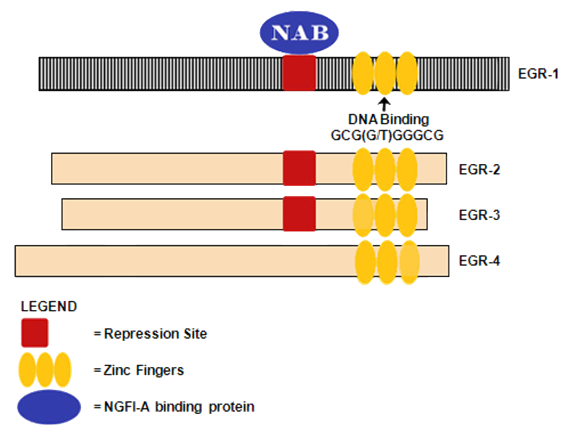
Figure 2. Image designed by Melody W Lin.
Mutations
Note
Mutations in the EGR1 gene have not been found; altered expression level is the most common contributor to tumorigenesis.
Chromosome loss/deletions:
- The long arm of chromosome 5 in which EGR1 is located is consistently deleted in myelodysplastic syndrome (MDS) and acute myeloid leukemia (AML). Loss of chromosome 5 or deletion in 5q is the most common karyotypic abnormality in MDS, occurring in 10% of new MDS/AML patients and in 40% of patients with therapy-related MDS or AML. Mice lacking at least one allele of EGR1 develop symptoms similar to that of MDS after they are exposed to a carcinogen (i.e. mono- or bi-allelic loss of EGR1 accelerates the development of pre-leukemic disorders).
- Loss of 5q is consistently associated with estrogen receptor-negative (ER-) breast carcinoma and is seen in 86% of breast carcinomas carriers of BRCA1 (breast cancer 1) and BRCA2 mutations. Fluorescence in situ hybridization confirmed the association of EGR1 loss with ER- breast carcinoma; loss of EGR1 correlated with high grade.
- In mouse model with a deletion of chromosome 5, loss of Tp53 activity in cooperation with EGR1 and adenomatous polyposis coli (APC) haploinsufficiency, accelerates the development of AML (Stoddart et al., 2013).
Chromosome loss/deletions:
- The long arm of chromosome 5 in which EGR1 is located is consistently deleted in myelodysplastic syndrome (MDS) and acute myeloid leukemia (AML). Loss of chromosome 5 or deletion in 5q is the most common karyotypic abnormality in MDS, occurring in 10% of new MDS/AML patients and in 40% of patients with therapy-related MDS or AML. Mice lacking at least one allele of EGR1 develop symptoms similar to that of MDS after they are exposed to a carcinogen (i.e. mono- or bi-allelic loss of EGR1 accelerates the development of pre-leukemic disorders).
- Loss of 5q is consistently associated with estrogen receptor-negative (ER-) breast carcinoma and is seen in 86% of breast carcinomas carriers of BRCA1 (breast cancer 1) and BRCA2 mutations. Fluorescence in situ hybridization confirmed the association of EGR1 loss with ER- breast carcinoma; loss of EGR1 correlated with high grade.
- In mouse model with a deletion of chromosome 5, loss of Tp53 activity in cooperation with EGR1 and adenomatous polyposis coli (APC) haploinsufficiency, accelerates the development of AML (Stoddart et al., 2013).
Implicated in
Entity name
Various cancers
Note
EGR1 (protein and/or mRNA) is downregulated in colon cancer, lung cancer, esophageal carcinoma, astrocytomas, glioblastomas, breast cancer, compared to non-cancer tissue. EGR1 expression is sharply decreased in leiomyoma compared to normal myometrium (reduction in 100% of tumors). Transfection of EGR1 into myometrial cells decreases cell proliferation.
In some types of cancers EGR1 expression is high in the adjacent tissue of the tumors, but low in the tumor cells. In esophageal carcinoma, EGR1 expression is higher in the dysplastic tissue, whereas no expression is detected in the tumor tissue. This may reflect the existence of a reactive stroma, and possibly inflammation.
Early observations indicated that in v-sis-transformed NIH-3T3 cells, transfection of EGR1 inhibits colony formation and growth in soft agar. It also delays tumorigenicity in nude mice. Conversely, EGR1 antisense accelerates cell growth and colony formation.
EGR1 expression is upregulated in human diffuse large B cell lymphoma because of constitutively active ERK and JNK (Jun N-terminal kinase) pathways and promotes cancer cells survival. Overexpression of EGR1 (both mRNA and protein) is observed in gastric cancer and in prostate cancer. It is also seen in the "normal" tissue adjacent to the tumors, but it is not expressed in the normal tissues from healthy patients. The mRNA expression is higher in metastatic cases of gastric cancer. EGR1 is much higher expressed in cervical cancer tissues than in the normal cervix.
In some types of cancers EGR1 expression is high in the adjacent tissue of the tumors, but low in the tumor cells. In esophageal carcinoma, EGR1 expression is higher in the dysplastic tissue, whereas no expression is detected in the tumor tissue. This may reflect the existence of a reactive stroma, and possibly inflammation.
Early observations indicated that in v-sis-transformed NIH-3T3 cells, transfection of EGR1 inhibits colony formation and growth in soft agar. It also delays tumorigenicity in nude mice. Conversely, EGR1 antisense accelerates cell growth and colony formation.
EGR1 expression is upregulated in human diffuse large B cell lymphoma because of constitutively active ERK and JNK (Jun N-terminal kinase) pathways and promotes cancer cells survival. Overexpression of EGR1 (both mRNA and protein) is observed in gastric cancer and in prostate cancer. It is also seen in the "normal" tissue adjacent to the tumors, but it is not expressed in the normal tissues from healthy patients. The mRNA expression is higher in metastatic cases of gastric cancer. EGR1 is much higher expressed in cervical cancer tissues than in the normal cervix.
Entity name
Leukemia
Note
In myeloblastic leukemia, upregulation of oncogene E2F-1 blocks the myeloid terminal differentiation program, resulting in proliferation of immature cells in the presence of interleukin-6. EGR1 abrogates the E2F-1-driven block in myeloid terminal differentiation, decreases the tumorigenic potential of leukemia cells in vivo and their aggressiveness. EGR1 also abrogates the block in terminal myeloid differentiation imparted by oncogenic c-myc.
Entity name
Fibrosarcoma
Note
Human fibrosarcoma cells express almost no EGR1 and are "resistant" to EGR1 induction in response to growth factors or stress. Forced expression of EGR1 inhibits cell growth and suppresses xenograft tumor growth in athymic mice. Conversely, silencing EGR1 using antisense increases the transformed character of these cells.
The effect of EGR1 in HT-1080 fibrosarcoma cells is mediated by increased secretion of active TGFbeta-1 (transforming growth factor-beta1), a direct target of EGR1. TGFbeta-1 strongly inhibits cell growth in an autocrine mechanism. Further, EGR1 regulates cell adhesion and migration through increased secretion of fibronectin and plasminogen activator inhibitor-1 (PAI-1). Although fibronectin is a direct target of EGR1, PAI-1 increase is mediated by EGR1-induced TGFbeta-1.
The effect of EGR1 in HT-1080 fibrosarcoma cells is mediated by increased secretion of active TGFbeta-1 (transforming growth factor-beta1), a direct target of EGR1. TGFbeta-1 strongly inhibits cell growth in an autocrine mechanism. Further, EGR1 regulates cell adhesion and migration through increased secretion of fibronectin and plasminogen activator inhibitor-1 (PAI-1). Although fibronectin is a direct target of EGR1, PAI-1 increase is mediated by EGR1-induced TGFbeta-1.
Entity name
Lung cancer
Note
EGR1 (RNA and protein) is expressed at higher levels in human normal lung tissue adjacent to non-small cell lung cancer (NSCLC), and is downregulated in the tumor tissue compared with normal lung. Also downregulated in human lung adenocarcinomas and lung squamous cell carcinomas.
High expression of EGR1 in NSCLC patients correlates with high PTEN expression. Low levels of EGR1 after surgical resection are associated with poor outcome.
High expression of EGR1 in NSCLC patients correlates with high PTEN expression. Low levels of EGR1 after surgical resection are associated with poor outcome.
Entity name
Brain cancer (astrocytoma/glioblastoma/neuroblastoma)
Note
EGR1 mRNA and protein are strongly suppressed in astrocytomas and glioblastomas compared to normal brain. Downregulation correlates with grade in human tissue, or with the presence of wild-type p53 in cell cultures. Tumors or primary cell lines that exhibit higher EGR1 expression contain p53 mutations. EGR1 induces growth arrest of glioma cells mediated by increased secretion of TGF-beta1, PAI-1 and fibronectin. EGR1 expression is induced by hypoxia in glioblastoma multiforme and up-regulates tissue factor that promotes plasma clotting.
Two EGR1 mRNA variants are detected in astrocytomas, one that contains N-methyl-D-aspartate-receptor (NMDA-R)-responsive element. An increase in the expression of this EGR1 variant is seen in astrocytoma cells following NMDA stimulation. EGR1 expression is restricted to tumor cells expressing NMDA-R, is up-regulated in astrocytomas compared with normal brain, and is associated with enhanced patient survival.
In neuroblastoma cells, re-expression of EGR1 induces apoptosis, whereas EGR1 antisense increases cell viability. The apoptotic activity of the EGR1 is mediated by activation of p73 (a member of the p53 family).
Two EGR1 mRNA variants are detected in astrocytomas, one that contains N-methyl-D-aspartate-receptor (NMDA-R)-responsive element. An increase in the expression of this EGR1 variant is seen in astrocytoma cells following NMDA stimulation. EGR1 expression is restricted to tumor cells expressing NMDA-R, is up-regulated in astrocytomas compared with normal brain, and is associated with enhanced patient survival.
In neuroblastoma cells, re-expression of EGR1 induces apoptosis, whereas EGR1 antisense increases cell viability. The apoptotic activity of the EGR1 is mediated by activation of p73 (a member of the p53 family).
Entity name
Breast cancer
Note
Breast cancer cell lines and clinical cancer tissues exhibit reduced EGR1 expression while normal mammary tissues express high levels. EGR1 is also downregulated in experimentally induced rat mammary tumors. Downregulation of gelsolin, which is an indicator of breast cancer, is correlated with suppression of EGR1.
Some studies have shown that re-expression of EGR1 inhibits human tumor cell growth and suppresses tumorigenicity in mice. However, two other studies found that EGR1 silencing decreases breast cancer cell proliferation, migration, and growth of xenograft tumors in nude mice.
In estrogen receptor-positive breast cancer cell lines, EGR1 expression is induced by estrogen through activation of RAF-1 kinase, the MAP-kinase pathway, and Elk-1/SRF.
Some studies have shown that re-expression of EGR1 inhibits human tumor cell growth and suppresses tumorigenicity in mice. However, two other studies found that EGR1 silencing decreases breast cancer cell proliferation, migration, and growth of xenograft tumors in nude mice.
In estrogen receptor-positive breast cancer cell lines, EGR1 expression is induced by estrogen through activation of RAF-1 kinase, the MAP-kinase pathway, and Elk-1/SRF.
Entity name
Hepatocellular carcinoma (liver cancer)
Note
While one study reports EGR1 overexpression, another one describes the downregulation of EGR1 expression in hepatocellular carcinoma. In the latter study, re-expression of EGR1 decreased cell growth and tumorigenicity in nude mice.
There are arguments in favor of a pro-tumorigenic function: HGF (hepatocyte growth factor), a cytokine involved in the progression of hepatocarcinoma, up-regulates EGR1 and increases cell scattering and migration through EGR1-mediated up-regulation of snail. HGF also increases angiogenesis through up-regulation of EGR1-mediated VEGF (vascular endothelial growth factor) and interleukin 8. Of note, EGR1 is crucial for the proliferation of hepatocytes and plays an important role in liver regeneration: liver regeneration following partial hepatectomy is impaired in EGR1-null mice.
There are arguments in favor of a pro-tumorigenic function: HGF (hepatocyte growth factor), a cytokine involved in the progression of hepatocarcinoma, up-regulates EGR1 and increases cell scattering and migration through EGR1-mediated up-regulation of snail. HGF also increases angiogenesis through up-regulation of EGR1-mediated VEGF (vascular endothelial growth factor) and interleukin 8. Of note, EGR1 is crucial for the proliferation of hepatocytes and plays an important role in liver regeneration: liver regeneration following partial hepatectomy is impaired in EGR1-null mice.
Entity name
Skin cancer/melanoma
Note
EGR1 expression is decreased in basal cell carcinoma (BCC) and squamous cell carcinoma (SCC) but is elevated in psoriasis. EGR1 inhibits the growth of benign and malignant epidermal cells in vitro.
A single topical treatment with the tumor promoter TPA in a multistage carcinogenesis model induces EGR1 mRNA expression both epidermis and dermis of the mice. Primary papillomas and carcinomas generated in these animals contain high EGR1 mRNA compared with normal epidermis. EGR1-null mice reveal an accelerated development of skin tumors in the multistage carcinogenesis model compared to EGR1+ mice.
On the other hand, EGR1 may contribute to cancer progression in melanoma. The HGF receptor c-Met induces EGR1 activation via the Ras/ERK1/2 pathway in melanoma cells, which in turn induces fibronectin expression and its extracellular assembly. Fibronectin promotes migration and invasiveness of melanomas and is associated with metastatic potential.
About 60% of melanoma contain an activating mutation in the B-RAF gene. In these cells, constitutive up-regulation of EGR1 caused by activation of RAF/ERK signaling results in high fibronectin levels and increases invasiveness.
A single topical treatment with the tumor promoter TPA in a multistage carcinogenesis model induces EGR1 mRNA expression both epidermis and dermis of the mice. Primary papillomas and carcinomas generated in these animals contain high EGR1 mRNA compared with normal epidermis. EGR1-null mice reveal an accelerated development of skin tumors in the multistage carcinogenesis model compared to EGR1+ mice.
On the other hand, EGR1 may contribute to cancer progression in melanoma. The HGF receptor c-Met induces EGR1 activation via the Ras/ERK1/2 pathway in melanoma cells, which in turn induces fibronectin expression and its extracellular assembly. Fibronectin promotes migration and invasiveness of melanomas and is associated with metastatic potential.
About 60% of melanoma contain an activating mutation in the B-RAF gene. In these cells, constitutive up-regulation of EGR1 caused by activation of RAF/ERK signaling results in high fibronectin levels and increases invasiveness.
Entity name
Prostate cancer
Note
EGR1 mRNA is expressed at higher levels in prostate tumors compared with normal tissues and correlates with Gleason score (a measure of prostate cancer stage). EGR1 expression in the primary tumor correlates with complete control of the local tumor by radiation, whereas in post-irradiated tissue EGR1 expression correlates with treatment failure. NAB2 is down-regulated in clinical primary carcinoma. Thus, upregulation of EGR1 and loss of NAB2 both determine the high level of EGR1 activity in human prostate tumors.
EGR1 knock-out mice crossed with transgenic mouse models of prostate cancer show significantly impaired tumor growth compared to Egr+/+ mice and increased survival. Although it does not prevent tumor initiation, EGR1 deficiency delays the progression of prostate carcinoma. EGR1 is also overexpressed in the tumors of the transgenic mice, whereas NAB2 expression is decreased.
Silencing of EGR1 in prostate cancer cells decreases cell proliferation in vitro, and injection of EGR1 antisense in vivo delays the occurrence of prostate cancer. Alternatively, forced expression of EGR1 in non-cancer cells increases proliferation in vitro.
EGR1 up-regulation in prostate cell lines is due to mutation of the TP53 gene. EGR1 is also up-regulated by SV40-T antigen, a viral oncogene that is used very often to immortalize non-transformed cells. In human prostate cancer cells EGR1 stimulates the production of many growth factors and cytokines that are involved in the progression of prostate cancer and of proteins involved in metastasis.
A crosstalk between EGR1 and the androgen receptor (AR) may explain the particular role of EGR1 in prostate cancer. EGR1 physically interacts with AR in hormone-sensitive prostate cancer cells and the complex binds to the promoter of endogenous targets of AR. Forcing EGR1 activity in hormone-sensitive cancer cells increases proliferation in vitro. It enhances tumor growth in mice upon castration (which mimics hormone therapy in human patients): EGR1 may be involved in the acquisition of resistance to hormone therapy.
EGR1 knock-out mice crossed with transgenic mouse models of prostate cancer show significantly impaired tumor growth compared to Egr+/+ mice and increased survival. Although it does not prevent tumor initiation, EGR1 deficiency delays the progression of prostate carcinoma. EGR1 is also overexpressed in the tumors of the transgenic mice, whereas NAB2 expression is decreased.
Silencing of EGR1 in prostate cancer cells decreases cell proliferation in vitro, and injection of EGR1 antisense in vivo delays the occurrence of prostate cancer. Alternatively, forced expression of EGR1 in non-cancer cells increases proliferation in vitro.
EGR1 up-regulation in prostate cell lines is due to mutation of the TP53 gene. EGR1 is also up-regulated by SV40-T antigen, a viral oncogene that is used very often to immortalize non-transformed cells. In human prostate cancer cells EGR1 stimulates the production of many growth factors and cytokines that are involved in the progression of prostate cancer and of proteins involved in metastasis.
A crosstalk between EGR1 and the androgen receptor (AR) may explain the particular role of EGR1 in prostate cancer. EGR1 physically interacts with AR in hormone-sensitive prostate cancer cells and the complex binds to the promoter of endogenous targets of AR. Forcing EGR1 activity in hormone-sensitive cancer cells increases proliferation in vitro. It enhances tumor growth in mice upon castration (which mimics hormone therapy in human patients): EGR1 may be involved in the acquisition of resistance to hormone therapy.
Entity name
Esophageal carcinoma
Note
According to some reports, the expression of EGR1 (mRNA and protein) is high in pre-cancerous human lesions of the esophagus and in dysplastic tissue adjacent to esophageal carcinoma, but is very low in cancer tissue. The number of apoptotic cells in EGR1-positive tumors is higher than in EGR1 negative tumors, suggesting that EGR1 promotes apoptosis. In addition, EGR1 is up-regulated in the tumors of patients treated by irradiation compared to the tumor tissue of non-irradiated patients, and EGR1 expression level seems to correlate with better prognosis.
Another study, however, shows overexpression of EGR1 in esophageal tumor tissues and constitutive expression in esophageal cancer cell lines.
EGR1 silencing inhibits cell proliferation through G2/M cell cycle block. On the other hand, forced stable expression of EGR1 into esophageal carcinoma cells also decreases cell proliferation in vitro and tumor growth in vivo.
Another study, however, shows overexpression of EGR1 in esophageal tumor tissues and constitutive expression in esophageal cancer cell lines.
EGR1 silencing inhibits cell proliferation through G2/M cell cycle block. On the other hand, forced stable expression of EGR1 into esophageal carcinoma cells also decreases cell proliferation in vitro and tumor growth in vivo.
Entity name
Cervical cancer
Note
The melanoma growth stimulatory activity/Growth-regulated oncogene α (MGSA/GROα), which is designated as a CXC chemokine ligand 1 (CXCL1), plays an important role in the regulation of inflammation and the progression of tumor development through stimulation of angiogenesis and metastasis. EGR1 mediates ERK and JNK MAPKs-dependent GROα transcription in response to TNFα stimulation in HeLa cervix cancer cells (Shin et al., 2013).
Article Bibliography
| Pubmed ID | Last Year | Title | Authors |
|---|---|---|---|
| 11135623 | 2001 | Impaired prostate tumorigenesis in Egr1-deficient mice. | Abdulkadir SA et al |
| 11586104 | 2001 | Early growth response-1 gene: potential radiation response gene marker in prostate cancer. | Ahmed MM et al |
| 8910582 | 1996 | EGR-1 induction is required for maximal radiosensitivity in A375-C6 melanoma cells. | Ahmed MM et al |
| 18067864 | 2007 | Phorbol myristate acetate-induced Egr-1 expression is suppressed by phospholipase D isozymes in human glioma cells. | Ahn BH et al |
| 18460021 | 2008 | Early growth response-1 mediates downregulation of telomerase in cervical cancer. | Akutagawa O et al |
| 18953875 | 2008 | [Alteration of early growth response 1 expression in gastroenterological cancers and its biological significance]. | An J et al |
| 19032775 | 2008 | Egr1 regulates the coordinated expression of numerous EGF receptor target genes as identified by ChIP-on-chip. | Arora S et al |
| 12379479 | 2002 | Regulation of Egr-1 by association with the proteasome component C8. | Bae MH et al |
| 17158885 | 2007 | Microenvironmental regulation of membrane type 1 matrix metalloproteinase activity in ovarian carcinoma cells via collagen-induced EGR1 expression. | Barbolina MV et al |
| 16138117 | 2006 | The transcription factor Egr1 is a direct regulator of multiple tumor suppressors including TGFbeta1, PTEN, p53, and fibronectin. | Baron V et al |
| 12833142 | 2003 | Inhibition of Egr-1 expression reverses transformation of prostate cancer cells in vitro and in vivo. | Baron V et al |
| 14751836 | 2003 | Antisense to the early growth response-1 gene (Egr-1) inhibits prostate tumor development in TRAMP mice. | Baron V et al |
| 14711380 | 2004 | Inhibition of cell growth by EGR-1 in human primary cultures from malignant glioma. | Calogero A et al |
| 15449318 | 2004 | Egr-1 is activated by 17beta-estradiol in MCF-7 cells by mitogen-activated protein kinase-dependent phosphorylation of ELK-1. | Chen CC et al |
| 22508482 | 2013 | Egr-1 mediates epidermal growth factor-induced downregulation of E-cadherin expression via Slug in human ovarian cancer cells. | Cheng JC et al |
| 18316600 | 2008 | p21 Waf1/Cip1 expression by curcumin in U-87MG human glioma cells: role of early growth response-1 expression. | Choi BH et al |
| 3141919 | 1988 | A gene activated in mouse 3T3 cells by serum growth factors encodes a protein with "zinc finger" sequences. | Christy BA et al |
| 11035041 | 2001 | Ionizing radiation down-regulates p53 protein in primary Egr-1-/- mouse embryonic fibroblast cells causing enhanced resistance to apoptosis. | Das A et al |
| 12798262 | 2003 | How necessary is the activation of the immediate early gene zif268 in synaptic plasticity and learning? | Davis S et al |
| 9622090 | 1998 | Expression of early growth response genes in human prostate cancer. | Eid MA et al |
| 19597464 | 2009 | 5q- myelodysplastic syndromes: chromosome 5q genes direct a tumor-suppression network sensing actin dynamics. | Eisenmann KM et al |
| 12872165 | 2003 | Transcription factor Egr-1 supports FGF-dependent angiogenesis during neovascularization and tumor growth. | Fahmy RG et al |
| 18923931 | 2007 | Evidence of EGR1 as a differentially expressed gene among proliferative skin diseases. | Fang M et al |
| 15774784 | 2005 | EGR1 predicts PTEN and survival in patients with non-small-cell lung cancer. | Ferraro B et al |
| 16960555 | 2007 | Tumor-derived fibronectin is involved in melanoma cell invasion and regulated by V600E B-Raf signaling pathway. | Gaggioli C et al |
| 8336701 | 1993 | A novel repression module, an extensive activation domain, and a bipartite nuclear localization signal defined in the immediate-early transcription factor Egr-1. | Gashler AL et al |
| 17599039 | 2008 | Egr-1 abrogates the E2F-1 block in terminal myeloid differentiation and suppresses leukemia. | Gibbs JD et al |
| 19792968 | 2009 | Is EGR1 a potential target for prostate cancer therapy? | Gitenay D et al |
| 16858414 | 2006 | Hepatocyte growth factor induces cell scattering through MAPK/Egr-1-mediated upregulation of Snail. | Grotegut S et al |
| 11925592 | 2002 | Transcription factor EGR-1 inhibits growth of hepatocellular carcinoma and esophageal carcinoma cell lines. | Hao MW et al |
| 19446747 | 2009 | Cryptic deletion of EGR1 in association with a novel balanced t(5;22)(q31;q11.2) in a patient with myelodysplastic syndrome. | Hoffman MW et al |
| 10733509 | 2000 | Delineation of a minimal interval and identification of 9 candidates for a tumor suppressor gene in malignant myeloid disorders on 5q31. | Horrigan SK et al |
| 8152797 | 1994 | Suppression of v-sis-dependent transformation by the transcription factor, Egr-1. | Huang RP et al |
| 9282327 | 1997 | Reciprocal modulation between Sp1 and Egr-1. | Huang RP et al |
| 7585551 | 1995 | Egr-1 negatively regulates human tumor cell growth via the DNA-binding domain. | Huang RP et al |
| 17420284 | 2007 | Haploinsufficiency of EGR1, a candidate gene in the del(5q), leads to the development of myeloid disorders. | Joslin JM et al |
| 17065146 | 2006 | The role of MAPKs in B cell receptor-induced down-regulation of Egr-1 in immature B lymphoma cells. | Ke J et al |
| 16456111 | 2006 | Early growth response-1 in cardiovascular pathobiology. | Khachigian LM et al |
| 15556287 | 2004 | A gene for neuronal plasticity in the mammalian brain: Zif268/Egr-1/NGFI-A/Krox-24/TIS8/ZENK? | Knapska E et al |
| 12553019 | 2002 | Overexpression of early growth response-1 as a metastasis-regulatory factor in gastric cancer. | Kobayashi D et al |
| 15958557 | 2005 | Early growth response 1 acts as a tumor suppressor in vivo and in vitro via regulation of p53. | Krones-Herzig A et al |
| 8516290 | 1993 | Cytogenetic and molecular delineation of the smallest commonly deleted region of chromosome 5 in malignant myeloid diseases. | Le Beau MM et al |
| 19526316 | 2009 | Hepatocyte growth factor induced up-regulations of VEGF through Egr-1 in hepatocellular carcinoma cells. | Lee KH et al |
| 3133658 | 1988 | Two mouse genes encoding potential transcription factors with identical DNA-binding domains are activated by growth factors in cultured cells. | Lemaire P et al |
| 7478546 | 1995 | Expression patterns of immediate early transcription factors in human non-small cell lung cancer. The Lung Cancer Study Group. | Levin WJ et al |
| 19531563 | 2009 | Identification of a novel DNA binding site and a transcriptional target for activating transcription factor 5 in c6 glioma and mcf-7 breast cancer cells. | Li G et al |
| 15265859 | 2004 | Delayed hepatocellular mitotic progression and impaired liver regeneration in early growth response-1-deficient mice. | Liao Y et al |
| 3330774 | 1987 | Cloning of tetradecanoyl phorbol ester-induced 'primary response' sequences and their expression in density-arrested Swiss 3T3 cells and a TPA non-proliferative variant. | Lim RW et al |
| 8876223 | 1996 | Transcription factor EGR-1 suppresses the growth and transformation of human HT-1080 fibrosarcoma cells by induction of transforming growth factor beta 1. | Liu C et al |
| 10783396 | 2000 | The transcription factor EGR-1 directly transactivates the fibronectin gene and enhances attachment of human glioblastoma cell line U251. | Liu C et al |
| 18204200 | 2007 | Concurrent down-regulation of Egr-1 and gelsolin in the majority of human breast cancer cells. | Liu J et al |
| 18556351 | 2008 | Transcriptional responses to estrogen and progesterone in mammary gland identify networks regulating p53 activity. | Lu S et al |
| 12427750 | 2003 | NAB2, a corepressor of EGR-1, inhibits vascular endothelial growth factor-mediated gene induction and angiogenic responses of endothelial cells. | Lucerna M et al |
| 19414352 | 2009 | EGFR mutation up-regulates EGR1 expression through the ERK pathway. | Maegawa M et al |
| 11948124 | 2002 | Differential gene expression in human lung adenocarcinomas and squamous cell carcinomas. | McDoniels-Silvers AL et al |
| 3672127 | 1987 | A nerve growth factor-induced gene encodes a possible transcriptional regulatory factor. | Milbrandt J et al |
| 15181171 | 2004 | Inhibition of human breast carcinoma proliferation, migration, chemoinvasion and solid tumour growth by DNAzymes targeting the zinc finger transcription factor EGR-1. | Mitchell A et al |
| 18489490 | 2009 | EGR-1 is regulated by N-methyl-D-aspartate-receptor stimulation and associated with patient survival in human high grade astrocytomas. | Mittelbronn M et al |
| 7565779 | 1995 | Role of EGR-1 in thapsigargin-inducible apoptosis in the melanoma cell line A375-C6. | Muthukkumar S et al |
| 9242687 | 1997 | Early growth response-1-dependent apoptosis is mediated by p53. | Nair P et al |
| 10344756 | 1999 | Activated Ki-Ras suppresses 12-O-tetradecanoylphorbol-13-acetate-induced activation of the c-Jun NH2-terminal kinase pathway in human colon cancer cells. | Okumura K et al |
| 11855883 | 2002 | Reduced expression of early growth response-1 gene in leiomyoma as identified by mRNA differential display. | Pambuccian CA et al |
| 20204305 | 2010 | The effect of siRNA-Egr-1 and camptothecin on growth and chemosensitivity of breast cancer cell lines. | Parra E et al |
| 12755686 | 2003 | The transcription factor early growth response factor-1 (EGR-1) promotes apoptosis of neuroblastoma cells. | Pignatelli M et al |
| 9879662 | 1998 | Estrogen activates raf-1 kinase and induces expression of Egr-1 in MCF-7 breast cancer cells. | Pratt MA et al |
| 12670907 | 2003 | Hepatocyte growth factor/scatter factor induces feedback up-regulation of CD44v6 in melanoma cells through Egr-1. | Recio JA et al |
| 10747287 | 2000 | Alteration of Egr-1 mRNA during multistage carcinogenesis in mouse skin. | Riggs PK et al |
| 9207063 | 1997 | ETS target genes: identification of egr1 as a target by RNA differential display and whole genome PCR techniques. | Robinson L et al |
| 16849552 | 2006 | Early growth response gene-1 regulates hypoxia-induced expression of tissue factor in glioblastoma multiforme through hypoxia-inducible factor-1-independent mechanisms. | Rong Y et al |
| 15999367 | 2005 | Early growth response gene 1 (EGR1) is deleted in estrogen receptor-negative human breast carcinoma. | Ronski K et al |
| 7624335 | 1995 | Identification of NAB1, a repressor of NGFI-A- and Krox20-mediated transcription. | Russo MW et al |
| 17071580 | 2006 | Growth regulation via insulin-like growth factor binding protein-4 and -2 in association with mutant K-ras in lung epithelia. | Sato H et al |
| 20190820 | 2010 | Mutant p53 initiates a feedback loop that involves Egr-1/EGF receptor/ERK in prostate cancer cells. | Sauer L et al |
| 7823937 | 1995 | The zinc finger transcription factor EGR-1 impedes interleukin-1-inducible tumor growth arrest. | Sells SF et al |
| 16456537 | 2006 | Suppression of Egr-1 transcription through targeting of the serum response factor by oncogenic H-Ras. | Shin SY et al |
| 20332214 | 2010 | Transcription factor Egr-1 is essential for maximal matrix metalloproteinase-9 transcription by tumor necrosis factor alpha. | Shin SY et al |
| 23872552 | 2013 | Transcriptional regulation of the growth-regulated oncogene α gene by early growth response protein-1 in response to tumor necrosis factor α stimulation. | Shin SY et al |
| 15231681 | 2004 | Decreased expression of early growth response-1 and its role in uterine leiomyoma growth. | Shozu M et al |
| 24381225 | 2014 | Haploinsufficiency of del(5q) genes, Egr1 and Apc, cooperate with Tp53 loss to induce acute myeloid leukemia in mice. | Stoddart A et al |
| 3127059 | 1988 | A zinc finger-encoding gene coregulated with c-fos during growth and differentiation, and after cellular depolarization. | Sukhatme VP et al |
| 10984481 | 2000 | EGR1 target genes in prostate carcinoma cells identified by microarray analysis. | Svaren J et al |
| 8668170 | 1996 | NAB2, a corepressor of NGFI-A (Egr-1) and Krox20, is induced by proliferative and differentiative stimuli. | Svaren J et al |
| 8583621 | 1996 | Increased expression of early growth response-1 messenger ribonucleic acid in prostatic adenocarcinoma. | Thigpen AE et al |
| 15616591 | 2005 | NF-kappaB/Egr-1/Gadd45 are sequentially activated upon UVB irradiation to mediate epidermal cell death. | Thyss R et al |
| 11751871 | 2002 | Activation of the Wnt pathway interferes with serum response element-driven transcription of immediate early genes. | Tice DA et al |
| 11781575 | 2001 | The Egr-1 transcription factor directly activates PTEN during irradiation-induced signalling. | Virolle T et al |
| 12556466 | 2003 | Egr1 promotes growth and survival of prostate cancer cells. Identification of novel Egr1 target genes. | Virolle T et al |
| 19435811 | 2009 | A key role for early growth response-1 and nuclear factor-kappaB in mediating and maintaining GRO/CXCR2 proliferative signaling in esophageal cancer. | Wang B et al |
| 11819815 | 2001 | Experimental and clinicopathologic study on the relationship between transcription factor Egr-1 and esophageal carcinoma. | Wu MY et al |
| 12439908 | 2002 | Relationship between Egr-1 gene expression and apoptosis in esophageal carcinoma and precancerous lesions. | Wu MY et al |
| 16866858 | 2006 | Expression of Egr-1 gene and its correlation with the oncogene proteins in non-irradiated and irradiated esophageal squamous cell carcinoma. | Wu MY et al |
| 14966901 | 2004 | Expression of Egr-1, c-fos and cyclin D1 in esophageal cancer and its precursors: An immunohistochemical and in situ hybridization study. | Wu MY et al |
| 12890669 | 2003 | Early growth response gene 1 modulates androgen receptor signaling in prostate carcinoma cells. | Yang SZ et al |
| 16552752 | 2006 | Enhanced EGR1 activity promotes the growth of prostate cancer cells in an androgen-depleted environment. | Yang SZ et al |
| 16990849 | 2007 | A network of p73, p53 and Egr1 is required for efficient apoptosis in tumor cells. | Yu J et al |
| 19057511 | 2009 | PTEN regulation by Akt-EGR1-ARF-PTEN axis. | Yu J et al |
| 15225550 | 2004 | Coactivating factors p300 and CBP are transcriptionally crossregulated by Egr1 in prostate cells, leading to divergent responses. | Yu J et al |
| 19137013 | 2009 | EGR-1 forms a complex with YAP-1 and upregulates Bax expression in irradiated prostate carcinoma cells. | Zagurovskaya M et al |
Other Information
Locus ID:
NCBI: 1958
MIM: 128990
HGNC: 3238
Ensembl: ENSG00000120738
Variants:
dbSNP: 1958
ClinVar: 1958
TCGA: ENSG00000120738
COSMIC: EGR1
RNA/Proteins
| Gene ID | Transcript ID | Uniprot |
|---|---|---|
| ENSG00000120738 | ENST00000239938 | P18146 |
| ENSG00000120738 | ENST00000239938 | Q546S1 |
Expression (GTEx)
Pathways
Protein levels (Protein atlas)
References
| Pubmed ID | Year | Title | Citations |
|---|---|---|---|
| 37880426 | 2024 | EGR1 Mediated Reduction of Fibroblast Secreted-TGF-β1 Exacerbated CD8(+) T Cell Inflammation and Migration in Vitiligo. | 0 |
| 37989866 | 2024 | Tumor-mesothelium HOXA11-PDGF BB/TGF β1-miR-181a-5p-Egr1 feedforward amplifier circuity propels mesothelial fibrosis and peritoneal metastasis of gastric cancer. | 1 |
| 38218401 | 2024 | EGR1 Regulates SHANK3 Transcription at Different Stages of Brain Development. | 0 |
| 38233877 | 2024 | Egr-1 is a key regulator of the blood-brain barrier damage induced by meningitic Escherichia coli. | 2 |
| 38287371 | 2024 | EGR1 suppresses HCC growth and aerobic glycolysis by transcriptionally downregulating PFKL. | 2 |
| 38385088 | 2024 | Blocking EGR1/TGF-β1 and CD44s/STAT3 Crosstalk Inhibits Peritoneal Metastasis of Gastric Cancer. | 0 |
| 38409611 | 2024 | EGR1 transcriptionally regulates SVEP1 to promote proliferation and migration in human coronary artery smooth muscle cells. | 0 |
| 38642782 | 2024 | CXXC5 drove inflammation and ovarian cancer proliferation via transcriptional activation of ZNF143 and EGR1. | 0 |
| 38926457 | 2024 | miR-124-3p downregulates EGR1 to suppress ischemia-hypoxia reperfusion injury in human iPS cell-derived cardiomyocytes. | 0 |
| 37880426 | 2024 | EGR1 Mediated Reduction of Fibroblast Secreted-TGF-β1 Exacerbated CD8(+) T Cell Inflammation and Migration in Vitiligo. | 0 |
| 37989866 | 2024 | Tumor-mesothelium HOXA11-PDGF BB/TGF β1-miR-181a-5p-Egr1 feedforward amplifier circuity propels mesothelial fibrosis and peritoneal metastasis of gastric cancer. | 1 |
| 38218401 | 2024 | EGR1 Regulates SHANK3 Transcription at Different Stages of Brain Development. | 0 |
| 38233877 | 2024 | Egr-1 is a key regulator of the blood-brain barrier damage induced by meningitic Escherichia coli. | 2 |
| 38287371 | 2024 | EGR1 suppresses HCC growth and aerobic glycolysis by transcriptionally downregulating PFKL. | 2 |
| 38385088 | 2024 | Blocking EGR1/TGF-β1 and CD44s/STAT3 Crosstalk Inhibits Peritoneal Metastasis of Gastric Cancer. | 0 |
Citation
Young Han Lee
EGR1 (Early Growth Response 1)
Atlas Genet Cytogenet Oncol Haematol. 2014-01-01
Online version: http://atlasgeneticsoncology.org/gene/496/egr1-(early-growth-response-1)
Historical Card
2010-05-01 EGR1 (Early Growth Response 1) by Reeti Bandyopadhyay,Véronique Baron Affiliation
University of California San Diego, BioChemistry & Cell Biology, San Diego, CA 92122, USA (RB); Vaccine Research Institute of San Diego, 10835 road to the cure, Suite 150, San Diego, CA 92121, USA (VB)
