TIGAR (chromosome 12 open reading frame 5)
2013-12-01 Helga Simon , Ana Rodríguez-García , Àurea Navarro-Sabaté , Pere Fontova , Ramon Bartrons , Anna Manzano AffiliationDepartament de Ciencies Fisiologiques II, Campus de Bellvitge, Universitat de Barcelona, Feixa Llarga s\\\/n, 08907, LHospitalet de Llobregat, Barcelona, Spain
Identity
DNA/RNA
Description
Transcription
Pseudogene
Proteins
Description
More information about TIGAR protein can be found in Uniprot Q9NQ88.
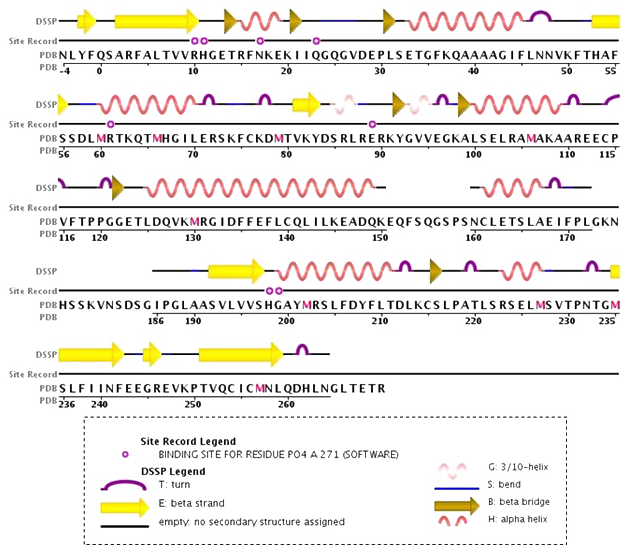
Human TIGAR structure contains different motifs as represented in the image below (PDB reference 3DCY).
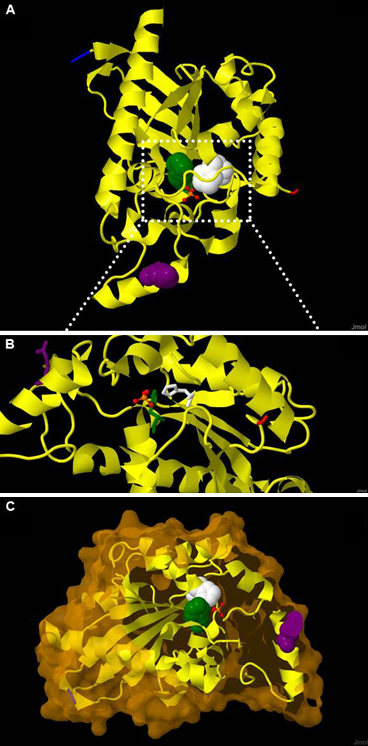
The crystallized structure of Danio rerio TIGAR is available in PDB (3E9D reference) and was published by Li and Jogl, 2009.
Expression
All this information can be found in GeneCards (sections proteins and expression).
Localisation
Function
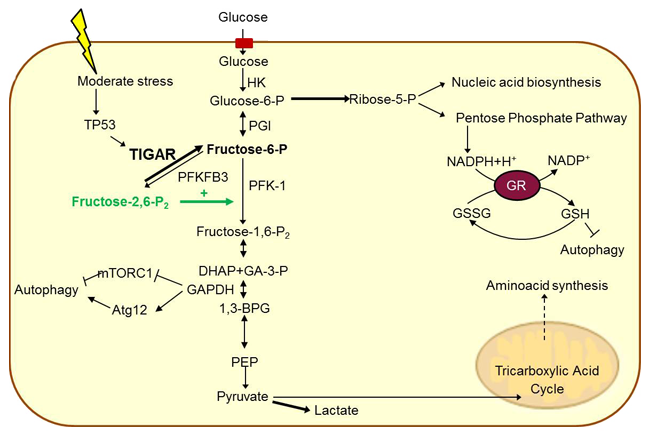
TIGAR is a bisphosphatase that hydrolyzes Fructose-2,6-bisphosphate to Fructose-6-phosphate, which can enter the PPP to generate NADPH and ribose-5-phosphate, thus, reducing oxidative stress and generating nucleotide precursors (Bensaad et al., 2006).
Beta-D-fructose 2,6-bisphosphate + H2O ⇔ D-fructose 6-phosphate + phosphate
The switch from TP53-induced cell-cycle arrest to apoptosis following maintained stress is associated with downregulation of TIGAR and therefore the loss of P53-dependent survival agents could be the cause of the apoptotic response. It has been proposed that TP53-dependent metabolism regulation could be orchestrated by different mechanisms other than the ones that regulate TP53-induced apoptosis. TIGAR antiapoptotic effects are oxidative-stress dependent. The apoptosis induction by other mechanisms is not affected by TIGAR, as it was shown in IL-3-dependent apoptosis FL5.12 cell line, and in anti-Fas induced apoptosis in U2OS cells, suggesting that TIGAR can modulate apoptosis in a cell-dependent manner (Bensaad et al., 2006).
As described previously, under hypoxic conditions TIGAR is localized in outer mitochondrial membrane. In this situation, it binds together with HK2 to mitochondria (Mathupala et al., 2009) in a HIF1α (hypoxia-inducible factor 1α) dependent manner, and limits ROS levels. If HK2 is not present, oxidative stress reduction by TIGAR is lower. It has been shown that mutant TIGAR TM (Triple Mutant without enzymatic activity: H11A/E102A/H198A) is able to relocalize to mitochondria in response to hypoxia and, indeed, is able to bind to HK2 in the outer mitochondrial membrane. Therefore, the maintenance of mitochondrial membrane potential by TIGAR is independent of its bisphoshatase activity. However, the single deletion of four aminoacids in the C-terminus (258-261) avoided TIGAR mobilization to the mitochondria after hypoxia, although its bisphosphatase activity remained unaltered. The double mutant TM TIGAR/258-261 was not able to reduce ROS levels (Bensaad et al., 2006; Cheung et al., 2012). In conclusion, TIGAR lowers ROS levels both by inhibiting glycolysis and by enhancing an adequate mitochondrial function coupling to HK2.
TIGAR effects have also been related to autophagy as an inhibition of this cell process was described when cells were exposed to stress conditions such as nutrient starvation or metabolic stress, in parallel with an overexpression of TIGAR and a decrease in ROS cell levels. After TIGAR suppression, autophagy was induced to moderate apoptotic response by restraining ROS levels (Bensaad et al., 2009).
The relation between autophagy and apoptosis can be modulated differently depending on the stimulus and cell type. D-galactose (D-gal) treatment of neuroblastoma cells induced necroptosis and autophagy, as shown by upregulation of Bmf, Bnip3, Atg5 and TIGAR, but there were no changes in expression in genes related to apoptosis (Li et al., 2011).
Recently, it has been described a decrease in steady-state mRNA levels of TIGAR when the human hepatocellular carcinoma HepG2 cell line was exposed to high oxidative stress conditions induced by the superoxide radical-generating menadione, hydrogen peroxide (H2O2) or nutrient starvation, in parallel with a down-regulation of the damage-regulated autophagy modulator (DRAM). mRNA levels of both genes were recovered when cells were treated with antioxidants such as GSH or N-acetylcysteine, suggesting a complex regulation of tumor suppressor genes by ROS levels (Kim et al., 2013). In front of a disruption in the homeostasis balance of the cell, TIGAR would provide cytoprotection by its antioxidant properties rather than its ability to inhibit autophagy. After a threatening stimulus, a rapid increase in the autophagic flux occurs mostly regulated by post-translational modifications, followed by a transcriptionally-mediated delayed autophagyc response phase, in which TP53 would be activated. In this context, TIGAR would be rapidly transactivated and would mediate its antioxidant response, while autophagy is enhanced by other transcriptionally activated targets, such as DRAM (Pietrocola et al., 2013). Some authors have proposed a TP53-orchestrated mechanism by which this protein would regulate stress-induced autophagy by balancing two proteins with opposite effects: TIGAR and DRAM (Dewaele et al., 2010; Zhang et al., 2010).
In TP53 knock-out mice (TP53-/-) cardioprotection against ischemic injury and resistance to cardiac remodeling were observed, and a significant TIGAR overexpression was described. The TIGAR knock-out (TIGAR-/-) had the same effects and a TP53-dependent mechanism of autophagy inhibition through the mitophagy enhancer Bnip3 was described. Double knock-out of TP53 and TIGAR mice exposed to ischemia responded with an increase in ROS levels, followed by an overexpression of Bnip3 that lead to mitophagy and, thus, cardioprotection. The activation of Bnip3 and mitophagy was recovered by NAC, confirming that TIGAR-mediated mitophagy inhibition is mediated by ROS. Ventricular remodeling after myocardial infarction is a consequence of both impaired mitochondrial integrity and enhanced apoptosis, whereas mitophagy helps cells to undergo mitochondrial damage and avoid apoptosis, resulting in a diminished initial infarct size, less ventricular remodeling and restored homeostasis in ischemic myocardium (Kimata et al., 2010; Hoshino et al., 2012).
The analysis of lung tissues from idiopathic pulmonary fibrosis patients revealed decreased autophagyc activity, evidenced by less LC3 and p62 expression. When these cells were treated with TGFβ in vitro, impairment in autophagy was observed, in parallel with an increase in TIGAR expression, although the possible mechanism connecting TGFβ and TIGAR was not described (Patel et al., 2012).
In a co-culture system, Martinez-Outschoorn et al. showed that oxidative stress-induced autophagy correlated with Cav-1 downregulation in cancer associated fibroblasts, and with overexpression of TIGAR in adjacent cancer cells. Consequently, autophagy cancer associated fibroblasts provide recycled nutrients for cancer cell metabolism and, moreover, prevent cancer cells death by upregulating TIGAR and thus conferring resistance to apoptosis and autophagy (Martinez-Outschoorn et al., 2010). Further studies by the same group demonstrated that the metabolic coupling between cancer cells and fibroblasts can explain tamoxifen resistance as cancer associated fibroblasts enhance the activity of TIGAR in cancer cells, providing protection against tamoxifen-induced apoptosis, which was much higher in monocultures of cancer cells alone (Martinez-Outschoorn et al., 2011). In another study, glutamine was described as a needed factor for Cav-1 downregulation in cancer associated fibroblasts and for the decrease in autophagy mediators and markers in cancer cells, establishing a model in which autophagy fibroblasts may serve as a source of glutamine to fuel cancer cell mitochondrial activity. Therefore, a cycle between catabolic tumor stroma cells and anabolic tumor cells has been proposed to explain the relations between cells in tumor environment (Ko et al., 2011).
Besides, TIGAR has also been proposed to be an anticancer therapy target gene considering that autophagy inhibition in cancer cells would probably increase cell death (Dodson et al., 2013).
All these studies confirm that TIGAR functions are not only restricted to glycolysis regulation, as this protein plays key roles in different cell processes involving oxidative stress restriction.
Activation and regulation
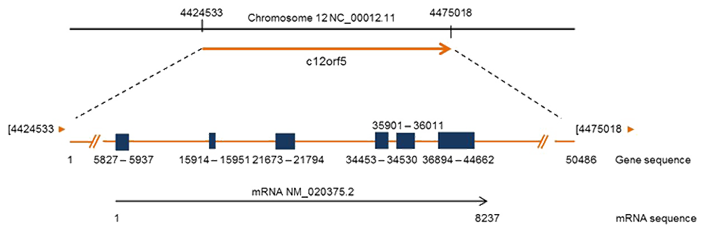
TIGAR belongs to that group of TP53 target genes that become rapidly activated by low levels of stress. There are two possible TP53 binding sites in TIGAR gene: one upstream of the first exon (BS1) and one within the 1st intron (BS2), which is the most efficient one and has been validated by chromatin immunoprecipitation (ChIP) analysis (Bensaad et al., 2006).
In an experimental approach, TIGAR was induced by Actinomycin D and Adriamycin (Bensaad et al., 2006), two well-known activators of TP53, and also by Nutlin-3a, an antagonist of Mdm2 (Hasegawa et al., 2009). Other stimuli that have been described to trigger TIGAR expression are radiotherapy (Peña-Rico et al., 2011), glutamine (Ko et al., 2011), chemotherapy (Madan et al., 2012), UV light (Madan et al., 2012), TNFα and radiotherapy mimetics (Sinha et al., 2013).
When DNA damage occurs, TP53 is expressed either to repair DNA or lead the cell towards apoptosis. High ROS levels can compromise DNA stability which, in turn, could help cells to accumulate mutations and become tumorigenic. As TIGAR reduces ROS levels, it has been proposed as a tumor suppressor gene, although it should be taken into account that, as TIGAR can help tumor cells survival, it could act as an oncogene in some situations. TP53 is able to suppress tumor development when mechanisms of apoptosis, senescence and cell-cycle arrest are impeded. This supports the idea that metabolism, and thereby TIGAR, has a key role in cancer development (Li et al., 2012; Valente et al., 2013).
TIGAR expression can also be modulated in a TP53 independent manner, as results from studies with the TP53 null T98G and H1299 cell lines suggest (Bensaad et al., 2006; Peña-Rico et al., 2011). The mechanisms implicated in the regulation of TIGAR expression in the absence of TP53 are unclear. The CRE-binding protein (CREB) has been described to regulate TIGAR expression through a CRE-binding site at the TIGAR promoter, which was first annotated by bioinformatic analysis and then confirmed by electrophoretic mobility shift assay (EMSA) and ChIP. CREB knockdown reduced enhanced promoter activity and TIGAR expression; whereas CREB overexpression resulted in enhanced promoter activity and TIGAR expression levels (Zou et al., 2013). Another transcription factor, SP1, was found to bind to TIGAR promoter in a SP1-binding site located in a very short region (-56/-4) both in vitro and in vivo, and was considered a key factor for proper basal activity of TIGAR promoter (Zou et al., 2012). Recently, some authors have identified HIF-1α as a potential regulator of SCO2 and TIGAR gene expression suggesting the involvement of P300/CBP-associated factor (PCAF) in differential recruitment of HIF-1α and p53 to the promoter of TIGAR and/or SCO2 genes in response of hypoxia in tumoral cells (Rajendran et al., 2013).
Chromosomal rearrangements: copy number variants
Some alterations affecting TIGAR genome region have been described in patients, some of them showed phenotypic effects. Gain of 12:189578-34178209 resulted in hydronephrosis, micrognathia, edema, depressed nasal bridge, tricuspid regurgitation and diaphragmatic eventration. Patients with gain of 12:189561-41878937 suffered global developmental delay. The ones with gain of 12:230361-20643702 showed intellectual disability and electroencephalogram with localized low amplitude activity, whereas gain of 12:191619-8327369 resulted in macroencephaly, visual impairment, intellectual disability, muscular hipotonia, and seizures.
For more information, see DECIPHER.
Homology
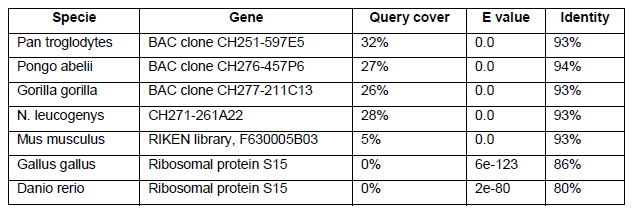
For a comparison of the gene among Homo sapiens, mouse, rat, chimpanzee, cattle, rhesus macaque, dog, chicken and zebrafish see MGI.
For all species known gene tree, see: Treefam database.
Mutations
Note
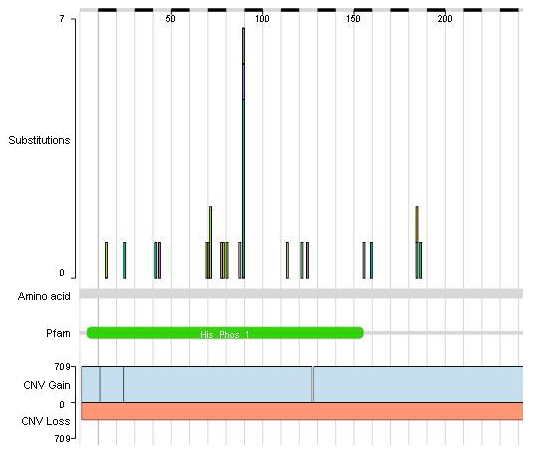
Nonsense substitutions: 1, located in c.466G>T (p.G156*).
Missense substitutions: 16, which represent 82% of the mutations described among all patients. Only two missense substitutions have been found in more than one patient: c.268A>G (p.R90G) was found in 5 patients and c.215G>T (p.R72I) was found in 2 patients.
Synonymous substitutions: 4.
No deletions, insertions or chromosomal fusions in TIGAR gene have been described in any tumor sample.
Genomic variants
There are 878 SNP variants described but none of them have clinical significance described (GeneCards).
Implicated in
Other authors point out the importance of autophagy as a cellular homeostatic process to determine cell fate decisions under conditions of stress. Deregulation of autophagy impacts numerous human diseases including cancer and chronic lung diseases. TIGAR could be implicated in the impairment of autophagy by TGF-β(1) and may represent a mechanism for the promotion of fibrogenesis in idiopathic pulmonary fibrosis (Patel et al., 2012).
Recently, in a neuroblastoma SH-SY5Y cell model a novedous sonodynamic therapy has been assayed. This noninvasive modality for cancer treatment is based on the selective activation of a sonosensitizer agent by acoustic cavitation. The activated sonosensitizer agent might generate reactive oxygen species leading to cancer cell death. This therapy showed a significant decrease in SH-SY5Y cell proliferation in vitro in two and three-dimensional neuroblastoma models and this effect was accompanied by a significant decrease in the TIGAR mRNA expression 24 hours after sonodynamic treatment (Canaparo et al., 2013).
In the same direction Derdak et al. (2011) reported that susceptibility to ethanol-induced liver damage in different rat strains and the promotion of insulin resistance is correlated with p53 activation and the activation of TIGAR.
Article Bibliography
| Pubmed ID | Last Year | Title | Authors |
|---|---|---|---|
| 19713938 | 2009 | Modulation of intracellular ROS levels by TIGAR controls autophagy. | Bensaad K et al |
| 16839880 | 2006 | TIGAR, a p53-inducible regulator of glycolysis and apoptosis. | Bensaad K et al |
| 23954639 | 2013 | Metabolic regulation by p53 family members. | Berkers CR et al |
| 24232189 | 2013 | Polymeric nanoparticles enhance the sonodynamic activity of meso-tetrakis (4-sulfonatophenyl) porphyrin in an in vitro neuroblastoma model. | Canaparo R et al |
| 23726973 | 2013 | TIGAR is required for efficient intestinal regeneration and tumorigenesis. | Cheung EC et al |
| 23185017 | 2012 | Mitochondrial localization of TIGAR under hypoxia stimulates HK2 and lowers ROS and cell death. | Cheung EC et al |
| 23612020 | 2013 | Two p53-related metabolic regulators, TIGAR and SCO2, contribute to oroxylin A-mediated glucose metabolism in human hepatoma HepG2 cells. | Dai Q et al |
| 20961644 | 2011 | Activation of p53 enhances apoptosis and insulin resistance in a rat model of alcoholic liver disease. | Derdak Z et al |
| 20505317 | 2010 | ROS-mediated mechanisms of autophagy stimulation and their relevance in cancer therapy. | Dewaele M et al |
| 19199029 | 2009 | Glutathionylation of the pro-apoptotic protein p53 in Alzheimer's disease brain: implications for AD pathogenesis. | Di Domenico F et al |
| 23702245 | 2013 | Cellular metabolic and autophagic pathways: traffic control by redox signaling. | Dodson M et al |
| 19710698 | 2009 | Activation of p53 by Nutlin-3a, an antagonist of MDM2, induces apoptosis and cellular senescence in adult T-cell leukemia cells. | Hasegawa H et al |
| 22044588 | 2012 | p53-TIGAR axis attenuates mitophagy to exacerbate cardiac damage after ischemia. | Hoshino A et al |
| 23861893 | 2013 | Cell cycle checkpoint abnormalities during dementia: A plausible association with the loss of protection against oxidative stress in Alzheimer's disease [corrected]. | Katsel P et al |
| 23832602 | 2013 | Reactive oxygen species-dependent down-regulation of tumor suppressor genes PTEN, USP28, DRAM, TIGAR, and CYLD under oxidative stress. | Kim SJ et al |
| 20935145 | 2010 | p53 and TIGAR regulate cardiac myocyte energy homeostasis under hypoxic stress. | Kimata M et al |
| 22236876 | 2011 | Glutamine fuels a vicious cycle of autophagy in the tumor stroma and oxidative mitochondrial metabolism in epithelial cancer cells: implications for preventing chemotherapy resistance. | Ko YH et al |
| 19015259 | 2009 | Structural and biochemical studies of TIGAR (TP53-induced glycolysis and apoptosis regulator). | Li H et al |
| 21826710 | 2011 | D-galactose induces necroptotic cell death in neuroblastoma cell lines. | Li N et al |
| 22682249 | 2012 | Tumor suppression in the absence of p53-mediated cell-cycle arrest, apoptosis, and senescence. | Li T et al |
| 23139858 | 2012 | Loss of the respiratory enzyme citrate synthase directly links the Warburg effect to tumor malignancy. | Lin CC et al |
| 18945750 | 2008 | Identification of TIGAR in the equilibrative nucleoside transporter 2-mediated response to fludarabine in chronic lymphocytic leukemia cells. | López-Guerra M et al |
| 20219441 | 2010 | An RNA-directed nucleoside anti-metabolite, 1-(3-C-ethynyl-beta-d-ribo-pentofuranosyl)cytosine (ECyd), elicits antitumor effect via TP53-induced Glycolysis and Apoptosis Regulator (TIGAR) downregulation. | Lui VW et al |
| 21057531 | 2011 | Inhibition of c-Met downregulates TIGAR expression and reduces NADPH production leading to cell death. | Lui VW et al |
| 22782351 | 2012 | TIGAR induces p53-mediated cell-cycle arrest by regulation of RB-E2F1 complex. | Madan E et al |
| 22041887 | 2011 | Anti-estrogen resistance in breast cancer is induced by the tumor microenvironment and can be overcome by inhibiting mitochondrial function in epithelial cancer cells. | Martinez-Outschoorn UE et al |
| 19101634 | 2009 | Hexokinase-2 bound to mitochondria: cancer's stygian link to the "Warburg Effect" and a pivotal target for effective therapy. | Mathupala SP et al |
| 22096029 | 2011 | Control of glycolysis through regulation of PFK1: old friends and recent additions. | Mor I et al |
| 22815997 | 2012 | Autophagy in idiopathic pulmonary fibrosis. | Patel AS et al |
| 21864926 | 2011 | TP53 induced glycolysis and apoptosis regulator (TIGAR) knockdown results in radiosensitization of glioma cells. | Peña-Rico MA et al |
| 23726895 | 2013 | Regulation of autophagy by stress-responsive transcription factors. | Pietrocola F et al |
| 21185935 | 2011 | Exercise training attenuates oxidative stress and decreases p53 protein content in skeletal muscle of type 2 diabetic Goto-Kakizaki rats. | Qi Z et al |
| 23591450 | 2013 | Acetylation mediated by the p300/CBP-associated factor determines cellular energy metabolic pathways in cancer. | Rajendran R et al |
| 18092946 | 2008 | The histidine phosphatase superfamily: structure and function. | Rigden DJ et al |
| 23640457 | 2013 | ATM-NFκB axis-driven TIGAR regulates sensitivity of glioma cells to radiomimetics in the presence of TNFα. | Sinha S et al |
| 21042727 | 2010 | p53 Protects lung cancer cells against metabolic stress. | Sinthupibulyakit C et al |
| 18322392 | 2008 | Conformationally altered p53: a putative peripheral marker for Alzheimer's disease. | Uberti D et al |
| 23665218 | 2013 | p53 efficiently suppresses tumor development in the complete absence of its cell-cycle inhibitory and proapoptotic effectors p21, Puma, and Noxa. | Valente LJ et al |
| 22887998 | 2012 | Tp53-induced glycolysis and apoptosis regulator (TIGAR) protects glioma cells from starvation-induced cell death by up-regulating respiration and improving cellular redox homeostasis. | Wanka C et al |
| 21820150 | 2012 | Regulatory role of p53 in cancer metabolism via SCO2 and TIGAR in human breast cancer. | Won KY et al |
| 23817040 | 2013 | Knockdown of TIGAR by RNA interference induces apoptosis and autophagy in HepG2 hepatocellular carcinoma cells. | Ye L et al |
| 22117045 | 2012 | Inhibition of the MUC1-C oncoprotein induces multiple myeloma cell death by down-regulating TIGAR expression and depleting NADPH. | Yin L et al |
| 20729871 | 2010 | The role of p53 in cell metabolism. | Zhang XD et al |
| 21761199 | 2012 | SP1 plays a pivotal role for basal activity of TIGAR promoter in liver cancer cell lines. | Zou S et al |
| 24036271 | 2013 | CREB, another culprit for TIGAR promoter activity and expression. | Zou S et al |
Other Information
Locus ID:
NCBI: 57103
MIM: 610775
HGNC: 1185
Ensembl: ENSG00000078237
Variants:
dbSNP: 57103
ClinVar: 57103
TCGA: ENSG00000078237
COSMIC: TIGAR
RNA/Proteins
| Gene ID | Transcript ID | Uniprot |
|---|---|---|
| ENSG00000078237 | ENST00000179259 | Q9NQ88 |
| ENSG00000078237 | ENST00000635110 | A0A0U1RQD1 |
Expression (GTEx)
Pathways
Protein levels (Protein atlas)
References
| Pubmed ID | Year | Title | Citations |
|---|---|---|---|
| 37140263 | 2023 | TIGAR Protects Against Adenine-Induced Ferroptosis in Human Proximal Tubular Epithelial Cells by Activating the mTOR/S6KP70 Axis. | 1 |
| 37140263 | 2023 | TIGAR Protects Against Adenine-Induced Ferroptosis in Human Proximal Tubular Epithelial Cells by Activating the mTOR/S6KP70 Axis. | 1 |
| 35163828 | 2022 | The Expression of TP53-Induced Glycolysis and Apoptosis Regulator (TIGAR) Can Be Controlled by the Antioxidant Orchestrator NRF2 in Human Carcinoma Cells. | 3 |
| 35271998 | 2022 | TIGAR drives colorectal cancer ferroptosis resistance through ROS/AMPK/SCD1 pathway. | 33 |
| 36555672 | 2022 | Inhibition of TIGAR Increases Exogenous p53 and Cisplatin Combination Sensitivity in Lung Cancer Cells by Regulating Glycolytic Flux. | 1 |
| 35163828 | 2022 | The Expression of TP53-Induced Glycolysis and Apoptosis Regulator (TIGAR) Can Be Controlled by the Antioxidant Orchestrator NRF2 in Human Carcinoma Cells. | 3 |
| 35271998 | 2022 | TIGAR drives colorectal cancer ferroptosis resistance through ROS/AMPK/SCD1 pathway. | 33 |
| 36555672 | 2022 | Inhibition of TIGAR Increases Exogenous p53 and Cisplatin Combination Sensitivity in Lung Cancer Cells by Regulating Glycolytic Flux. | 1 |
| 33481504 | 2021 | Expression of TIGAR and its correlation with clinicopathology, prognosis, and 18F-FDG PET/CT parameters in patients with resectable pancreatic ductal adenocarcinoma. | 1 |
| 34082063 | 2021 | Targeting neuroinflammation to treat cerebral ischemia - The role of TIGAR/NADPH axis. | 7 |
| 34369624 | 2021 | TCF19 and p53 regulate transcription of TIGAR and SCO2 in HCC for mitochondrial energy metabolism and stress adaptation. | 10 |
| 33481504 | 2021 | Expression of TIGAR and its correlation with clinicopathology, prognosis, and 18F-FDG PET/CT parameters in patients with resectable pancreatic ductal adenocarcinoma. | 1 |
| 34082063 | 2021 | Targeting neuroinflammation to treat cerebral ischemia - The role of TIGAR/NADPH axis. | 7 |
| 34369624 | 2021 | TCF19 and p53 regulate transcription of TIGAR and SCO2 in HCC for mitochondrial energy metabolism and stress adaptation. | 10 |
| 31317559 | 2020 | TIGAR impedes compression-induced intervertebral disc degeneration by suppressing nucleus pulposus cell apoptosis and autophagy. | 15 |
Citation
Helga Simon ; Ana Rodríguez-García ; Àurea Navarro-Sabaté ; Pere Fontova ; Ramon Bartrons ; Anna Manzano
TIGAR (chromosome 12 open reading frame 5)
Atlas Genet Cytogenet Oncol Haematol. 2013-12-01
Online version: http://atlasgeneticsoncology.org/gene/50684/tigar-(chromosome-12-open-reading-frame-5)
