IL6 (interleukin 6 (interferon beta 2))
2007-03-01 Stefan Nagel , Roderick A F MacLeod AffiliationDSMZ - German Collection of Microorganisms, Cell Cultures, Dept of Human & Animal Cell Cultures, Inhoffenstr. 7b, 38124, Braunschweig, Germany
Identity
HGNC
LOCATION
7p15.3
LOCUSID
ALIAS
BSF-2,BSF2,CDF,HGF,HSF,IFN-beta-2,IFNB2,IL-6
FUSION GENES
DNA/RNA
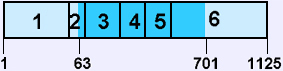
The gene for IL6 is shown in light blue and comprizes 6 exons (with 375 bp, 103 bp, 191 bp, 114 bp, 147 bp and 542 bp in length) and 5 introns (with 920 bp, 162 bp, 1058 bp, 707 bp and 1745 bp in length). The coding part is shown in dark blue.
Description
6 exons.
Transcription
1472 bp transcript with a 639 bp of coding sequence.
Proteins
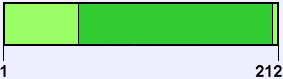
The IL6 protein (shown in light green) shares C-terminal a homologous region (shown in dark green) also found in IL23A and CSF3.
Description
212 amino acids, 23.7 kd, containing 4 alpha-helices.
Homology
IL6 shares sequence homology with IL23 (IL23A) and G-CSF (CSF3).
Mutations
Note
G/C polymorphism at nucleotide -174 (promoter region)
Breast cancer prognosis differs between populations. Despite its lower incidence in Blacks when compared to Caucasians, mortality among the former is higher. Genetic factors involved in the molecular pathways regulating tumor development have been adduced to explain these differences, and it has been suggested that the IL-6 gene is a susceptibility factor underlying ethnic differences in breast cancer survival. Reports of a G/C polymorphism at nucleotide -174 within the promoter region of the IL-6 gene support this contention. This polymorphism modulates IL-6 expression and allele/genotype frequencies at the -174 site differ significantly between ethnic groups.
Breast cancer prognosis differs between populations. Despite its lower incidence in Blacks when compared to Caucasians, mortality among the former is higher. Genetic factors involved in the molecular pathways regulating tumor development have been adduced to explain these differences, and it has been suggested that the IL-6 gene is a susceptibility factor underlying ethnic differences in breast cancer survival. Reports of a G/C polymorphism at nucleotide -174 within the promoter region of the IL-6 gene support this contention. This polymorphism modulates IL-6 expression and allele/genotype frequencies at the -174 site differ significantly between ethnic groups.
Implicated in
Entity name
Various cancers
Note
Although IL6 necessary to support growth of multiple myeloma cells, and is upregulated in certain tumor types, notably lung (squamous), bladder and prostate carcinomas, no recurrent chromosome rearrangements at 7p21 or IL6 rearrangements have been observed in these neoplasms.
Entity name
Breast cancer
Cytogenetics
No rearrangements reported.
Oncogenesis
Some cytokines, including IL-6, stimulate breast cancer proliferation or invasion and serve as negative prognostic indicators. Hitherto IL-2, IFNalpha, IFNbeta IFNgamma, IL-6, IL-12 have been used for anti tumour treatment of advanced breast cancer either to induce or increase hormone sensitivity and/or to stimulate cellular immunity. Cytokines, such as IL-6 play a key role in regulating estrogen synthesis in normal and malignant breast tissues. The activities of estradiol 17beta-hydroxysteroid dehydrogenase and estrone sulfatase are all increased by IL-6. Prostaglandin E2 may also be an important regulator of estradiol activity in breast tumors while invading macrophages and lymphocytes may also stimulate estrogen synthesis in breast cancers.
Entity name
Cytogenetics
No rearrangements reported.
Oncogenesis
Although interleukin-6 (IL-6) is considered as a key growth factor for myeloma cells, only a few subpopulations of tumor cells, such as CD45(+) immature cells, proliferate in response to IL-6. However, increasing numbers of cytokines, chemokines and cell-to-cell contacts been support growth of MM cells. It has repeatedly shown that oncogenic mutations as well as the bone marrow matrix (BMM) stimulate IL-6-independent signalling pathways that protect MM cells from apoptosis.Hyperdiploid MM tumors contain multiple trisomies involving chromosomes 3, 5, 7, 9, 11, 15 , 19 , and 21, but rarely have IgH translocations, although CCND-1/CCND-2/CCND-3 dysregulation appears to occur as an early event. This may sensitize these cells to proliferative stimuli, resulting in selective expansion as a result of interaction with BMM that produce IL-6 and other cytokines.
Three types of growth factors have been identified in plasma cells:
- The IL-6 family cytokines, which activate the Janus kinase-signal transducer and activator of transcription (JAK/STAT) and mitogen-activated protein (MAP) kinase pathways;
- Growth factors activating the phosphatidylinositol (PI)-3 kinase/AKT and MAP kinase pathways, and
- B-cell-activating factor (BAFF) or proliferation-inducing ligand (APRIL).
These growth factors may operate synergetically being co-localized together with cytoplasmic transduction elements in membrane caveolae.
Proteasome inhibitors are emerging as a promising class of anti-cancer therapeutic agents in MM, e.g. bortezomib which inhibits NF-kappaB translocation / transcription and critical signalling pathways, notably IL-6-induced proliferation and/or survival.
Three types of growth factors have been identified in plasma cells:
- The IL-6 family cytokines, which activate the Janus kinase-signal transducer and activator of transcription (JAK/STAT) and mitogen-activated protein (MAP) kinase pathways;
- Growth factors activating the phosphatidylinositol (PI)-3 kinase/AKT and MAP kinase pathways, and
- B-cell-activating factor (BAFF) or proliferation-inducing ligand (APRIL).
These growth factors may operate synergetically being co-localized together with cytoplasmic transduction elements in membrane caveolae.
Proteasome inhibitors are emerging as a promising class of anti-cancer therapeutic agents in MM, e.g. bortezomib which inhibits NF-kappaB translocation / transcription and critical signalling pathways, notably IL-6-induced proliferation and/or survival.
Entity name
Prostate cancer
Cytogenetics
No rearrangements reported.
Oncogenesis
IL-6 induces divergent proliferative responses in prostate cells. IL-6 is expressed in benign and malignant prostate tissue and levels of both IL-6 and IL-6R increase during prostate carcinogenesis. Serum levels of IL-6 are elevated in patients with treatment-refractory prostate carcinoma.IL-6 has also been shown to promote prostate cell growth, except in LNCaP cells, in which arrest and differentiation are produced. IL-6 induces activation of the androgen receptor (AR) in the absence of androgen. IL-6 also modulates vascular endothelial growth factor expression and neuroendocrine differentiation in prostate cells. Anti-IL-6 antibodies showed an inhibitory effect on PC-3 xenografts. Hence, IL-6 is widely considered a promising potential therapeutic target in prostate cancer.
Androgen receptor (AR), which is generally expressed in prostate cancers, promotes tumor progression in various ways, including ligand-independent activation. IL-6 is among the most important nonsteroidal regulators of AR activity reaching about half the maximum levels achieved by AR alone. At low concentrations of androgen, IL-6 and androgen operate synergistically to activate AR.
In prostate carcinoma cells homeodomain protein GBX2 was identified to contribute directly to IL6 expression by binding within the promoter region containing the consensus sequence for GBX2.
Androgen receptor (AR), which is generally expressed in prostate cancers, promotes tumor progression in various ways, including ligand-independent activation. IL-6 is among the most important nonsteroidal regulators of AR activity reaching about half the maximum levels achieved by AR alone. At low concentrations of androgen, IL-6 and androgen operate synergistically to activate AR.
In prostate carcinoma cells homeodomain protein GBX2 was identified to contribute directly to IL6 expression by binding within the promoter region containing the consensus sequence for GBX2.
Entity name
Cytogenetics
No rearrangements detected.
Oncogenesis
Hodgkin lymphoma (HL) cells express multiple cytokines, notably IL6, which contributes to the immunoreactive phenotype and of which high levels are associated with bad prognosis. Both transcription factors, NFkB and AP1 are constitutively activated in in HL cells driving expression of IL6 and also disturbing the pro/anti-apoptotic balance. Additionally, homeodomain protein HLXB9 contributes to the IL6 expression. HLXB9 is closely related to homeodomain protein GBX2 contributing to IL6 expression in prostate carcinoma cells. So, tumor type specific homeobox genes are involved in high level expression of IL6.
Entity name
Cancer cachexia
Cytogenetics
No rearrangements reported.
Oncogenesis
Unlike acute inflammation which is a defense response, chronic inflammation may promote cancer. Several pro-inflammatory gene products modulate apoptosis, proliferation, angiogenesis, invasion, and metastasis, including IL-6, which is subject to regulation by NF-kB, which is constitutively active in most tumors. About one-in-three cancer deaths are due to cachexia (wasting) following the hypercatabolism of the bodys carbon sources. Tumor-inflammatory responses encompass synthesis of cytokines, including IL-6 which induces cachexia by altering lipids and protein metabolism. IL-6-like cytokines inhibit lipid biosynthesis by adipocytes and cause the atrophy and increased catabolism of muscle protein. Reduced serum IL-6 levels induced by medroxyprogesterone acetate has been reported to exert an anti-cachectic effect in advanced breast cancer.
Article Bibliography
| Pubmed ID | Last Year | Title | Authors |
|---|---|---|---|
| 9570135 | 1997 | IL-6-regulated transcription factors. | Akira S et al |
| 16129903 | 2005 | Involvement of IL-6 in the pathogenesis of inflammatory bowel disease and colon cancer. | Atreya R et al |
| 11417859 | 2001 | IL-6-like cytokines and cancer cachexia: consequences of chronic inflammation. | Barton BE et al |
| 2171545 | 1990 | Haemopoietic receptors and helical cytokines. | Bazan JF et al |
| 15609131 | 2004 | The interleukin-6 gene: a susceptibility factor that may contribute to racial and ethnic disparities in breast cancer mortality. | Berger FG et al |
| 16797970 | 2006 | Signalling and survival pathways in multiple myeloma. | Bommert K et al |
| 14607214 | 2003 | Role of the androgen receptor axis in prostate cancer. | Culig Z et al |
| 16598769 | 2006 | Androgen axis in prostate cancer. | Culig Z et al |
| 15838876 | 2005 | Interleukin-6 regulation of prostate cancer cell growth. | Culig Z et al |
| 12520481 | 2002 | Drug resistance and drug development in multiple myeloma. | Dalton WS et al |
| 10690529 | 2000 | Enhanced GBX2 expression stimulates growth of human prostate cancer cells via transcriptional up-regulation of the interleukin 6 gene. | Gao AC et al |
| 16761388 | 2005 | Bortezomib (Velcade)--a new therapeutic strategy for patients with refractory multiple myeloma. | Goranov SE et al |
| 12773095 | 2003 | Principles of interleukin (IL)-6-type cytokine signalling and its regulation. | Heinrich PC et al |
| 15090448 | 2004 | Advances in biology of multiple myeloma: clinical applications. | Hideshima T et al |
| 16199153 | 2005 | The role of IL-6 and STAT3 in inflammation and cancer. | Hodge DR et al |
| 17142955 | 2006 | Mitogenic signals initiated via interleukin-6 receptor complexes in cooperation with other transmembrane molecules in myelomas. | Ishikawa H et al |
| 15771564 | 2005 | Interleukin-6: from basic science to medicine--40 years in immunology. | Kishimoto T et al |
| 12953803 | 2003 | Survival and proliferation factors of normal and malignant plasma cells. | Klein B et al |
| 11029783 | 2000 | Regulation of interleukin-6 secretion from breast cancer cells and its clinical implications. | Kurebayashi J et al |
| 15772702 | 2005 | HLXB9 activates IL6 in Hodgkin lymphoma cell lines and is regulated by PI3K signalling involving E2F3. | Nagel S et al |
| 16931107 | 2006 | Cytokines in breast cancer. | Nicolini A et al |
| 14692515 | 2003 | Effects of all-trans retinoic acid (ATRA) on human myeloma cells. | Otsuki T et al |
| 11879566 | 2002 | The role of cytokines in regulating estrogen synthesis: implications for the etiology of breast cancer. | Purohit A et al |
| 16741736 | 2006 | Interleukin-6 and its receptor: from bench to bedside. | Scheller J et al |
| 9144766 | 1997 | Interleukin-6: structure-function relationships. | Simpson RJ et al |
| 15640623 | 2004 | Immunomodulation of multiple myeloma. | Tohnya TM et al |
| 14581334 | 2003 | Targeted anti-interleukin-6 monoclonal antibody therapy for cancer: a review of the rationale and clinical evidence. | Trikha M et al |
| 3493322 | 1987 | Identification of the human 26-kD protein, interferon beta 2 (IFN-beta 2), as a B cell hybridoma/plasmacytoma growth factor induced by interleukin 1 and tumor necrosis factor. | Van Damme J et al |
Other Information
Locus ID:
NCBI: 3569
MIM: 147620
HGNC: 6018
Ensembl: ENSG00000136244
Variants:
dbSNP: 3569
ClinVar: 3569
TCGA: ENSG00000136244
COSMIC: IL6
RNA/Proteins
Expression (GTEx)
Pathways
Protein levels (Protein atlas)
PharmGKB
| Entity ID | Name | Type | Evidence | Association | PK | PD | PMIDs |
|---|---|---|---|---|---|---|---|
| PA10004 | adalimumab | Chemical | ClinicalAnnotation | associated | PD | 24253594 | |
| PA142672077 | CRISPLD2 | Gene | Literature, MultilinkAnnotation | associated | 24926665 | ||
| PA164713366 | Tumor necrosis factor alpha (TNF-alpha) inhibitors | Chemical | ClinicalAnnotation | associated | PD | 22158445, 24776844 | |
| PA164749390 | peginterferon alfa-2a | Chemical | VariantAnnotation | associated | PD | ||
| PA164784024 | peginterferon alfa-2b | Chemical | ClinicalAnnotation | associated | PD | ||
| PA443434 | Arthritis, Rheumatoid | Disease | ClinicalAnnotation | associated | PD | 24253594 | |
| PA443635 | Cardiovascular Diseases | Disease | ClinicalAnnotation | associated | PD | 16607077 | |
| PA443750 | Colitis, Ulcerative | Disease | ClinicalAnnotation | associated | PD | 24776844 | |
| PA445451 | Psoriasis | Disease | ClinicalAnnotation | associated | PD | 22158445 | |
| PA446116 | Inflammatory Bowel Diseases | Disease | ClinicalAnnotation | associated | PD | 24776844 | |
| PA446863 | Hepatitis C, Chronic | Disease | ClinicalAnnotation, VariantAnnotation | associated | PD | ||
| PA449515 | etanercept | Chemical | ClinicalAnnotation | associated | PD | 24253594 | |
| PA449594 | fenofibrate | Chemical | ClinicalAnnotation | associated | PD | 16607077 | |
| PA451241 | ribavirin | Chemical | ClinicalAnnotation | associated | PD | ||
| PA451261 | rituximab | Chemical | MultilinkAnnotation | associated | 26384320 | ||
| PA452639 | infliximab | Chemical | ClinicalAnnotation | associated | PD | 24253594 |
References
| Pubmed ID | Year | Title | Citations |
|---|---|---|---|
| 37306249 | 2024 | Interleukin-6 Stromal Expression is Correlated with Epithelial-Mesenchymal Transition at Tumor Budding in Colorectal Cancer. | 0 |
| 37594110 | 2024 | Overexpression of SOCS2 Inhibits EMT and M2 Macrophage Polarization in Cervical Cancer via IL-6/JAK2/STAT3 Pathway. | 0 |
| 37669156 | 2024 | Impact of interaction between interleukin-6 gene polymorphism and Helicobacter pylori infection on susceptibility to gastric cancer. | 0 |
| 37787093 | 2024 | Evaluating interleukin-6 levels and the rs1800795 variant in Turkish patients with COVID-19: a prospective cohort study. | 1 |
| 37812596 | 2024 | Urinary IL-6 and IL-8 as predictive markers in bladder urothelial carcinoma: A pilot study. | 1 |
| 37838929 | 2024 | Increased carotid intima-media thickness and cardiometabolic risk factors are associated with IL-6 gene polymorphisms in Mexican individuals: The Genetics of Atherosclerotic Disease Mexican study. | 0 |
| 37842994 | 2024 | IL-6, IL-10 and TNF-α gene polymorphisms in preeclampsia: a case-control study in a Mexican population. | 0 |
| 37853768 | 2024 | Association of IL-6 rs1800795, but not TNF-α rs1800629, and IL-1β rs16944 polymorphisms' genotypes with recovery of ischemic stroke patients following thrombolysis. | 0 |
| 37918800 | 2024 | IL-6 Reduces Spheroid Sizes of Osteophytic Cells Derived from Osteoarthritis Knee Joint via Induction of Apoptosis. | 1 |
| 37923001 | 2024 | The association of cytokines genes (IL-6 and IL-10) with the susceptibility to schizophrenia: A systematic review and meta-analysis. | 1 |
| 37924484 | 2024 | Cerebrospinal Fluid from Patients After Craniotomy with the Appearance of Interleukin-6 Storm Can Activate Microglia to Damage the Hypothalamic Neurons in Mice. | 1 |
| 37950040 | 2024 | VPS35 promotes gastric cancer progression through integrin/FAK/SRC signalling-mediated IL-6/STAT3 pathway activation in a YAP-dependent manner. | 0 |
| 38029374 | 2024 | Analysis of Interleukin-6 Gene Variants (rs1800795, rs1800796, rs1554606, rs1800797, rs2069840, rs12700386, and rs2069861) as Prognostic Markers in Breast Cancer: A Systematic Review, Meta-Analysis, and Network Analysis. | 0 |
| 38040897 | 2024 | Interleukin-6 Concentration in Single-Embryo Medium Is Associated with Blastocyst Formation. | 0 |
| 38103065 | 2024 | Exploring systemic inflammation in children with chronic kidney disease: correlates of interleukin 6. | 1 |
Citation
Stefan Nagel ; Roderick A F MacLeod
IL6 (interleukin 6 (interferon beta 2))
Atlas Genet Cytogenet Oncol Haematol. 2007-03-01
Online version: http://atlasgeneticsoncology.org/gene/519/il6
