PRKCD (protein kinase C, delta)
2008-02-01 Yadira Malavez , M Elba Gonzalez-Mejia , Andrea I Doseff Affiliation201 Heart, Lung Research Institute, Dept. Molecular Genetics. Div. Pulmonary, Critical Care. The Ohio State University, 473 West 12th Ave., Columbus, OH 43210, USA
Identity
HGNC
LOCATION
3p21.1
LOCUSID
ALIAS
ALPS3,CVID9,MAY1,PKCD,nPKC-delta
FUSION GENES
DNA/RNA
Description
The gene encompasses 36 kb of DNA and contains 18 exons.
Transcription
2.2 kb mRNA.
Proteins
Note
The protein kinase C (PKC) is a family of serine/threonine kinases that plays key roles in cell proliferation and apoptosis (Berridge 1984; Nishizuka 1992). The mammalian PKC family consists of 11 different isoforms named PKCα, PKCβI, PKCβII, PKCγ, PKCδ, PKCε, PKCζ, PKCη, PKCθ, PKCι and PKCλ. Based on their requirements the PKC family is divided in 3 subfamilies: the conventional (cPKC) are regulated by diacylglycerol (DAG) and Ca2+. They are composed by the α, βI, βII, γ isoforms; the novel PKCs (nPKC) composed by the δ, ε, η, θ isoforms are regulated only by DAG and the atypical PKC (aPKC), composed by the ζ and ι/λ isoforms are activated by phorbol esther and they are independent of DAG and Ca2+(Mellor and Parker 1998; Gschwendt 1999; Basu 2003).
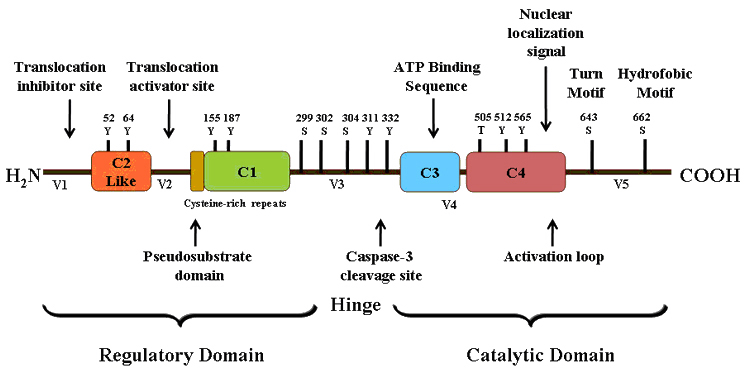
Figure 1. Structural domains and phosphorylation sites on PKCδ.
Description
- Structure
PKCδ, a member of the novel PKC group, is a 78 kDa protein composed of a regulatory and a catalytic domain. The N-terminal regulatory domain contains an auto-inhibitory region named the pseudosubstrate and four conserved domains, the C1 and C2 in the regulatory region and the C3 and C4 motifs in the catalytic region. PKCδ contains also five variable regions (V). The variable region 3 (V3), called the hinge region, separates the catalytic and regulatory domains (Cho 2001; Basu 2003) (Figure 1).
The C1 motif contains DAG/PMA (Phorbol 12-myristate 13-acetate) binding sequences that allow the interaction to a hydrophilic cleft located at a hydrophobic surface of this domain. The binding to the hydrophobic cleft forms a contiguous hydrophobic surface that promotes PKC binding to membranes. PKCδ has a C2-like region located at the N terminal domain. It has the same core residues of the C2 domain, but it lacks the essential calcium coordinating acidic residues that allows classical PKCs to bind Ca2+ (Pappa, Murray-Rust et al. 1998). The C3 and C4 are required for ATP/substrate binding and catalytic activity of the enzyme. The pseudosubstrate domain, located between the C1 and C2 motifs, maintains PKCδ in an inactive conformation by blocking the access to the substrate binding pocket. The proteolytic activation of PKCδ generates a 40 kDa fragment that can translocate to the mitochondria and/or nucleus (Hurley and Misra 2000; Cho 2001; Steinberg 2004) (Table 1).
Table 1. Important domains of PKCδ.
- Isotypes
So far eight PKCδ isotypes, generated by alternative splicing, have been identified in different species. PKCδ isotypes show different characteristics. PKCδI is the only isotype expressed in all species and is a target of caspase-3 (Sakurai, Onishi et al. 2001). In contrast, the PKCδII isotype is present in mouse and is insensitive to caspase-3 cleavage. PKCδIII is expressed in rats and shows weak translocation to the cell membrane upon stimulation by phorbol esther (Ueyama, Ren et al. 2000). PKCδIV, PKCδV, PKCδVI, and PKCδVII are expressed exclusively in mouse testis and they lack the V1 and C2-like domains. PKCδIV and PKCδV are expressed in spermatids, during mices sperm maturation, while PKCδVI and PKCδVII are expressed in spermatigonia and spermatocytes (Kawaguchi, Niino et al. 2006). PKCδVIII is expressed in humans upon retinoic acid treatment. This isotype is resistant to caspase-3 cleavage and its expression rescues NT2 cells from etoposide-induced apoptosis. This suggest an antiapoptotic role for the PKCδVIII isotype in NT2 cells (Jiang, Apostolatos et al. 2008).
PKCδ, a member of the novel PKC group, is a 78 kDa protein composed of a regulatory and a catalytic domain. The N-terminal regulatory domain contains an auto-inhibitory region named the pseudosubstrate and four conserved domains, the C1 and C2 in the regulatory region and the C3 and C4 motifs in the catalytic region. PKCδ contains also five variable regions (V). The variable region 3 (V3), called the hinge region, separates the catalytic and regulatory domains (Cho 2001; Basu 2003) (Figure 1).
The C1 motif contains DAG/PMA (Phorbol 12-myristate 13-acetate) binding sequences that allow the interaction to a hydrophilic cleft located at a hydrophobic surface of this domain. The binding to the hydrophobic cleft forms a contiguous hydrophobic surface that promotes PKC binding to membranes. PKCδ has a C2-like region located at the N terminal domain. It has the same core residues of the C2 domain, but it lacks the essential calcium coordinating acidic residues that allows classical PKCs to bind Ca2+ (Pappa, Murray-Rust et al. 1998). The C3 and C4 are required for ATP/substrate binding and catalytic activity of the enzyme. The pseudosubstrate domain, located between the C1 and C2 motifs, maintains PKCδ in an inactive conformation by blocking the access to the substrate binding pocket. The proteolytic activation of PKCδ generates a 40 kDa fragment that can translocate to the mitochondria and/or nucleus (Hurley and Misra 2000; Cho 2001; Steinberg 2004) (Table 1).
Table 1. Important domains of PKCδ.
| Domain | Amino acid sequence | Function |
| PKCδ translocation inhibitor | S8FNSYELGSL17; | Prevents translocation to cell membrane (Inagaki, Chen et al. 2003) |
| PKCδ translocation activator | M74RAAEDPM81; | Binding of cell membrane (Jaken and Parker 2000) |
| Pseudosubstrate domain | P140TMNRRGAIKQAKIHY155IKN158 | Prevents PKCδ activation by blocking the substrate binding pocket (Dempsey, Newton et al. 2000) |
| Caspase cleavage site | Y311QGFEKKTAVSGNDIPDNNGTY332GKI | Sequence cleaved by caspase-3 (Blake, Garcia-Paramio et al. 1999) |
| ATP binding sequence | G361KGSFGKVLLAELKGK376 | Binding site for ATP. Promotes catalytic activity (Hurley and Misra 2000) |
| Activation loop | RAST505FCGTPDY512IAPEILQGLKY523 | Contains important phosphorylation sites necessary for the catalytic activation (Thr505, Thr512, Thr523) (Rybin, Sabri et al. 2003) |
| Nuclear localization signal (NLS) | K611RKVEPPFKPKVKSPSDY628S | Targets PKCδ to the nucleus (DeVries, Neville et al. 2002) |
| Turn motif | S643 | Auto-phosphorylation site important for PKCδ maturation (Rybin, Sabri et al. 2003) |
| Hydrophobic motif | S662 | Facilitate PKCδ down-regulation by releasing it from the cell membrane (Feng, Becker et al. 2000; Rybin, Sabri et al. 2003) |
- Isotypes
So far eight PKCδ isotypes, generated by alternative splicing, have been identified in different species. PKCδ isotypes show different characteristics. PKCδI is the only isotype expressed in all species and is a target of caspase-3 (Sakurai, Onishi et al. 2001). In contrast, the PKCδII isotype is present in mouse and is insensitive to caspase-3 cleavage. PKCδIII is expressed in rats and shows weak translocation to the cell membrane upon stimulation by phorbol esther (Ueyama, Ren et al. 2000). PKCδIV, PKCδV, PKCδVI, and PKCδVII are expressed exclusively in mouse testis and they lack the V1 and C2-like domains. PKCδIV and PKCδV are expressed in spermatids, during mices sperm maturation, while PKCδVI and PKCδVII are expressed in spermatigonia and spermatocytes (Kawaguchi, Niino et al. 2006). PKCδVIII is expressed in humans upon retinoic acid treatment. This isotype is resistant to caspase-3 cleavage and its expression rescues NT2 cells from etoposide-induced apoptosis. This suggest an antiapoptotic role for the PKCδVIII isotype in NT2 cells (Jiang, Apostolatos et al. 2008).
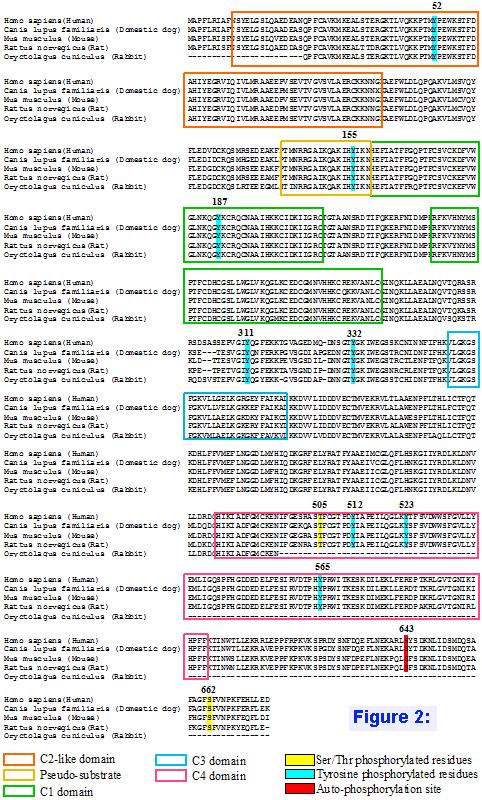
Figure 2. Phosphorylation sites and evolutionary conservation. Conserved phosphorylation sites important for PKCδ activity. (Accession numbers: Homo sapiens: NP-997704; Canis lupus familiaris: NP-001008716; Mus musculus: AAH51416; Rattus norvegicus: AAH76505; Oryctolagus cuniculus: AAW34270)
Expression
- Phosphorylation sites
There are several phosphorylable sites that depending on the stimuli and/or cell type have a different contribution on the activation of PKCδ. Three phosphorylation sites are conserved among all PKC isotypes: Thr505 (activation loop), Ser643 (turn motif), and Ser662 (hydrophobic motif) (Steinberg 2004). In PKCδ, these three sites were shown to be substantially phosphorylated in vivo (Konishi, Yamauchi et al. 2001). However, unlike the other PKCs, mutations of Thr505 to Ala in PKCδ doesnt affect its kinase activity, but seems to regulate PKCδ stability (Stempka, Girod et al. 1997). The phosphorylation of Ser643 and Ser662 seems to be important for PKCδs catalytic maturation. Ser643 is auto-phosphorylated, however the phosphorylation of Ser662 has been shown to be regulated by PKCζ and a pathway involving the mammalian target of rapamycin (mTOR) (Ziegler, Parekh et al. 1999). PKCδ has eight Tyr residues (located at position 52, 155, 187, 311, 332, 512, 523, and 565), that can be phosphorylated by tyrosine kinases. These phosphorylation sites are conserved among species, but only Tyr512 is conserved in other members of the PKC family. Phosphorylation at Tyr155 has been involved in the inhibitory effect of PKCδ on cell proliferation whereas Tyr64 and Thr187 are the mayor sites for PMA-dependent phosphorylation in etoposide-induced apoptosis (Szallasi Z et al. 1995, Sun X et al. 2000). Phosphorylation at Tyr311, Tyr332 and Tyr512 at the hinge and activation regions induce PKCδ activation and differential subcellular distribution onto the membranes (Konishi, Tanaka et al. 1997; Blake, Garcia-Paramio et al. 1999) (Table 1, Figure 3). In contrast, the phosphorylation of Tyr155 and Tyr187 are important for the anti-apoptotic effect of PKCδ. Mutation of this sites to phosphor-mimicking mutants results in an increase in cell proliferation in response to PMA (Kronfeld, Kazimirsky et al. 2000). The association of PKCδ and different tyrosine kinases results in different phosphorylation patterns and possibly differential activation of downstream targets in response to specific stimulus. Tyrosine kinases like Src (Sarcoma), Fyn, Lyn (v-yes-1 Yamaguchi sarcoma viral related oncogene homolog), PDK1 (Phosphoinoisitide dependent kinase 1), PYK2 (Protein tyrosine kinase 2) have been shown to phosphorylate PKCδ (Gschwendt, Kielbassa et al. 1994; Li, Mischak et al. 1994; Szallasi, Denning et al. 1995; Song, Swann et al. 1998; Yuan, Utsugisawa et al. 1998; Balendran, Hare et al. 2000; Sun, Wu et al. 2000; Wrenn 2001).
See figure 2.
- Activation
PKC family members exist in an immature inactive conformation that requires post-translational modifications to achieve catalytic maturity before activation by DAG/PMA. cPKC, nPKC and aPKC are subject to phosphorylation of the activation loop and this event acts as a priming step that allows the catalytic maturation of PKC (Dutil, Toker et al. 1998). The catalytic maturation of PKCδ involves the auto-phosphorylation of Ser643 and the phosphorylation of Thr505 and Ser662. It has been proposed that the phosphorylation of Ser643 is the first step for PKCδ maturation, since Ser662 is subject of dephosphorylation in the absence of Thr505 phosphorylation (Parekh, Ziegler et al. 1999). Phosphorylation of Ser643 can be mediated by PKCζ, in 293 cells or by the mammalian target of rapamicin (mTOR) (Le Good, Ziegler et al. 1998; Parekh, Ziegler et al. 1999; Ziegler, Parekh et al. 1999; Wood, Kelly et al. 2007) (Figure 2). PKCδ also interacts with the mTOR homolog in Saccharomyces cerevisiae, FRAP and its necessary for the FRAP-dependent phosphorylation of 4e-BP1 (4e-binding protein 1) (Kumar, Pandey et al. 2000).
PDK1 phosphorylates PKCδ in Thr505 stabilizing PKCδs structure promoting the alignment of these residues with the catalytic pocket (PKCδ immature inactive). In contrast with other members of the PKC family, the phosphorylation of this residue seems not to be necessary for the catalytic activity of PKCδ, since PKCδ exhibits full enzymatic activity in the absence of the Thr505 phosphorylation, in vitro (Stempka, Schnolzer et al. 1999). It is possible that the negative charge provided by the phosphate required for the catalytic activation of PKCδ is provided by the Glu500. Glu500, located in the activation loop, seems to play an important role on PKCδ activity since the mutation of this aminoacid to Val exhibits a reduction of 70% in auto-phosphorylation and substrate phosphorylation (Stempka, Schnolzer et al. 1999). After the phosphorylation of Thr505, autophosphorylion of Ser662 occurs and this event allows the catalytic maturation of PKCδ. However, even after the auto-phosphorylation of this residue, PKCδ remains in an inactive conformation due to the interaction of the pseudosubstrate domain with the substrate-binding region of the catalytic site.
Upon stimulation by DAG or PMA, PKCδ is also auto-phosphorylated at the conserved residues: S299, S302 and S304, located in the V3 region. The phosphorylated PKCδ translocates to the plasma and nuclear membrane (Durgan, Michael et al. 2007). Phosphorylation of Ser299 has been proposed to be a marker for PKCδ catalytic activation, since it only occurs after its translocation to the plasma and nuclear membrane (Durgan, Michael et al. 2007). PKCδ can bind membranes through its C1/C2 domains. The binding induces a conformational change that allows the release of the pseudosubstrate domain from the substrate-binding site. This event allows PKCδ phosphorylation of membrane substrates (Steinberg 2004). Tyrosine kinases like: Src, Lyn, have been shown to phosphorylate residues on the T-loop region of the C4 domain in response to different apoptotic inducers and non-apoptotic stimuli (Denning, Dlugosz et al. 1996; Shanmugam, Krett et al. 1998; Kikkawa, Matsuzaki et al. 2002). The phosphorylation of PKCδ in specific tyrosine residues regulates PKCδ localization and activity depending on the cell type and stimuli (Song, Swann et al. 1998; Yuan, Utsugisawa et al. 1998; Konishi, Yamauchi et al. 2001; Blass, Kronfeld et al. 2002). PKCδ is proteolytically cleaved by caspase-3 at the hinge region, separating the regulatory domain from the catalytic domain (Figure 2). The cleavage creates a 40 kDa catalytically active fragment (CF). The proteolytic activation of PKCδ can be modulated by tyrosine phosphorylation. Overexpression of Y52F, Y155F and Y565F mutants in glial cells enhances the apoptotic response to etoposide induced apoptosis; however the overexpression of Y64F and Y187F reduces caspase-3-dependent PKCδ activation and reduced etoposide-induced apoptosis (Blass, Kronfeld et al. 2002).
Notably, unlike other PKC-family members, PKCδ can act as a lipid-independent enzyme and can be entirely activated without translocation to the cell membrane (Steinberg 2004). PKCδ can localize to the mitochondria after activation by PMA in U937 cells causing the release of cytochrome C and activation of caspase-3 (Majumder, Pandey et al. 2000). The catalytic fragment of PKCδ translocates to the nucleus utilizing its NLS (nuclear localization signal) and triggers apoptosis (Emoto, Manome et al. 1995; Ghayur, Hugunin et al. 1996). Consistent with this, the expression of PKCδ caspase-3-uncleavable-mutant reduces its nuclear accumulation. Furthermore, mutations within the NLS of CF reduce PKCδ nuclear accumulation and apoptosis in salivary acinar cells (Figure 2) (DeVries, Neville et al. 2002). However, cell death induction of LNCap cells treated with phorbol esthers, CHO cells treated with H2O2 and HaCaT cells UV irradiated doesnt induce caspase-3-deppendent cleavage of PKCδ (Fujii, Garcia-Bermejo et al. 2000; Fukunaga, Oka et al. 2001; Konishi, Yamauchi et al. 2001).
After activation by 12-O-tetradecanoylphorbol-13-acetate (TPA), PKCδ is ubiquitinated and targeted to the proteasome for degradation. Treatment with the proteasome inhibitors, MG101 and MG132, prevents TPA-induced depletion of PKCδ in rat fibroblasts (Lu, Liu et al. 1998).
See figure 3
- Substrates
Several proteins with diverse biological activity have been shown to be substrates of PKCδ (Yoshida 2007). PKCδ modulates translational elongation factors, such as eEF-1α (eukaryotic elongation factor 1-α) which upon treatment with TPA is activated by phosphorylation at Thr431 (Kielbassa, Muller et al. 1995). PKCδ interacts and regulates the activity of mTOR (mammalian target of rapamycin), an important regulator of the 4E-BPs, required to control translation modulating the translation initiation factor eIF4E (Kumar, Pandey et al. 2000). In addition, PKCδ regulates the function of several transcription factors such as Sp1, NF-κB, p300, Stat1, Stat3, among others (Novotny-Diermayr, Zhang et al. 2002; Yuan, Soh et al. 2002; Liu, Yang et al. 2006; Gorelik, Fang et al. 2007; Kim, Lim et al. 2007; Kwon, Yao et al. 2007). The role of each transcription factor will be further explained in the transcriptional regulation section.
During mast cell activation, PKCδ phosphorylates the IgE (immunoglobulin E) receptor causing its endocytosis (Germano, Gomez et al. 1994). In addition, PKCδ maintains homeostasis by phosphorylating the calcium efflux regulator PMCA (plasma membrane calcium ATPase) regulating Ca2+ levels in the skin (Garcia and Strehler 1999; Ahn, Jeong et al. 2007). PKCδ phosphorylates GIRK channels to normalize K+ levels after membrane depolarization 2 (Breitwieser 2005; Brown, Thomas et al. 2005; Xie, John et al. 2007). Moreover, during hypertrophy of vascular smooth muscle cells, PKCδ mediates the transactivation of the EGF receptor and activates ERK1, ERK2, PI3K and ATF-1 signalling pathways, leading to the up-regulation of NOX1 (Fan, Katsuyama et al. 2005).
PKCδ has an important role as a modulator of cell death in different cell types and the interaction of this protein kinase with multiple of its substrates induces apoptosis. Exposure of keratinocytes to UV light induces the PKCδ-dependent phosphorylation of Mcl-1 (the myeloid cell leukemia protein 1) causing the release of cytochrome c and subsequently activation of apoptosis (DCosta and Denning 2005; Sitailo, Tibudan et al. 2006). Phosphorylation of the checkpoint protein Rad9 by PKCδ also positively regulates apoptosis by promoting the binding of Rad9 to Bcl-2 (Yoshida, Wang et al. 2003). Most recently caspase-3, a key mediator of apoptosis, was shown to associate and be phosphorylated by PKCδ in human primary monocytes. The phosphorylation of caspase-3 promotes its apoptotic activity in vivo and in vitro (Voss, Kim et al. 2005). Moreover, silencing of PKCδ reduced etoposide-induced apoptosis and consistently overexpression of a PKCδ-cat increased caspase-3-dependent apoptosis (Voss, Kim et al. 2005). PKCδ phosphorylates also the tumor suppressor p53 at Ser46, inducing cell death (Yoshida, Liu et al. 2006).
Oxidative stress induces the formation of a PKCδ-p52Shc-p66Shc complex allowing PKCδ phosphorylation of p52 at Ser29, p66 at Ser138. The phosphorylation of p66Shc at Ser138 is crucial for H2O2 induced ERK activation (Hu, Kang et al. 2007). Furthermore, PKCδ interacts, phosphorylates Abl tyrosine kinase, in response to H2O2 treatment. As a consequence of this interaction, PKCδ is also phosphorylated by Abl showing an active interaction between the two kinases in response to oxidative stress (Sun, Wu et al. 2000). In addition, the release of nitric oxide in the cells causes the activation of PKCδ by tyrosine nitration, leading to the phosphorylation p53 at Ser15, which in turn increases the stability of p53 by destabilizing MDM2 (murine double minute), leading to cell death (Lee, Kim et al. 2006). Recently, it was shown that the interaction of the heat shock protein 25 (Hsp25, the mouse homolog of the human Hsp27) through the direct binding with the PKCδ V5 catalytic region inhibits apoptosis (Lee, Lee et al. 2005). Taken together, the diversity of PKCδ substrates demonstrates the central role of this kinase in diverse biological processes.
See figure 4
Sequence (Fasta Format): NP 997704
MAPFLRIAFNSYELGSLQAEDEANQPFCAVKMKEALSTERGKTLVQKKPTMYPEWKSTFDAHIYEGRVIQIVLMRAAEEPVS
EVTVGVSVLAERCKKNNGKAEFWLDLQPQAKVLMSVQYFLEDVDCKQSMRSEDEAKFPTMNRRGAIKQAKIHYIKNHEFI
ATFFGQPTFCSVCKDFVWGLNKQGYKCRQCNAAIHKKCIDKIIGRCTGTAANSRDTIFQKERFNIDMPHRFKVHNYMSPT
FCDHCGSLLWGLVKQGLKCEDCGMNVHHKCREKVANLCGINQKLLAEALNQVTQRASRRSDSASSEPVGIYQGFEKKTG
VAGEDMQDNSGTYGKIWEGSSKCNINNFIFHKVLGKGSFGKVLL
PKCδ-Phosphorylable Consensus Sequence
S/TXXR/K (X represents any amino acid) (Yoshida, Wang et al. 2003).
There are several phosphorylable sites that depending on the stimuli and/or cell type have a different contribution on the activation of PKCδ. Three phosphorylation sites are conserved among all PKC isotypes: Thr505 (activation loop), Ser643 (turn motif), and Ser662 (hydrophobic motif) (Steinberg 2004). In PKCδ, these three sites were shown to be substantially phosphorylated in vivo (Konishi, Yamauchi et al. 2001). However, unlike the other PKCs, mutations of Thr505 to Ala in PKCδ doesnt affect its kinase activity, but seems to regulate PKCδ stability (Stempka, Girod et al. 1997). The phosphorylation of Ser643 and Ser662 seems to be important for PKCδs catalytic maturation. Ser643 is auto-phosphorylated, however the phosphorylation of Ser662 has been shown to be regulated by PKCζ and a pathway involving the mammalian target of rapamycin (mTOR) (Ziegler, Parekh et al. 1999). PKCδ has eight Tyr residues (located at position 52, 155, 187, 311, 332, 512, 523, and 565), that can be phosphorylated by tyrosine kinases. These phosphorylation sites are conserved among species, but only Tyr512 is conserved in other members of the PKC family. Phosphorylation at Tyr155 has been involved in the inhibitory effect of PKCδ on cell proliferation whereas Tyr64 and Thr187 are the mayor sites for PMA-dependent phosphorylation in etoposide-induced apoptosis (Szallasi Z et al. 1995, Sun X et al. 2000). Phosphorylation at Tyr311, Tyr332 and Tyr512 at the hinge and activation regions induce PKCδ activation and differential subcellular distribution onto the membranes (Konishi, Tanaka et al. 1997; Blake, Garcia-Paramio et al. 1999) (Table 1, Figure 3). In contrast, the phosphorylation of Tyr155 and Tyr187 are important for the anti-apoptotic effect of PKCδ. Mutation of this sites to phosphor-mimicking mutants results in an increase in cell proliferation in response to PMA (Kronfeld, Kazimirsky et al. 2000). The association of PKCδ and different tyrosine kinases results in different phosphorylation patterns and possibly differential activation of downstream targets in response to specific stimulus. Tyrosine kinases like Src (Sarcoma), Fyn, Lyn (v-yes-1 Yamaguchi sarcoma viral related oncogene homolog), PDK1 (Phosphoinoisitide dependent kinase 1), PYK2 (Protein tyrosine kinase 2) have been shown to phosphorylate PKCδ (Gschwendt, Kielbassa et al. 1994; Li, Mischak et al. 1994; Szallasi, Denning et al. 1995; Song, Swann et al. 1998; Yuan, Utsugisawa et al. 1998; Balendran, Hare et al. 2000; Sun, Wu et al. 2000; Wrenn 2001).
See figure 2.
- Activation
PKC family members exist in an immature inactive conformation that requires post-translational modifications to achieve catalytic maturity before activation by DAG/PMA. cPKC, nPKC and aPKC are subject to phosphorylation of the activation loop and this event acts as a priming step that allows the catalytic maturation of PKC (Dutil, Toker et al. 1998). The catalytic maturation of PKCδ involves the auto-phosphorylation of Ser643 and the phosphorylation of Thr505 and Ser662. It has been proposed that the phosphorylation of Ser643 is the first step for PKCδ maturation, since Ser662 is subject of dephosphorylation in the absence of Thr505 phosphorylation (Parekh, Ziegler et al. 1999). Phosphorylation of Ser643 can be mediated by PKCζ, in 293 cells or by the mammalian target of rapamicin (mTOR) (Le Good, Ziegler et al. 1998; Parekh, Ziegler et al. 1999; Ziegler, Parekh et al. 1999; Wood, Kelly et al. 2007) (Figure 2). PKCδ also interacts with the mTOR homolog in Saccharomyces cerevisiae, FRAP and its necessary for the FRAP-dependent phosphorylation of 4e-BP1 (4e-binding protein 1) (Kumar, Pandey et al. 2000).
PDK1 phosphorylates PKCδ in Thr505 stabilizing PKCδs structure promoting the alignment of these residues with the catalytic pocket (PKCδ immature inactive). In contrast with other members of the PKC family, the phosphorylation of this residue seems not to be necessary for the catalytic activity of PKCδ, since PKCδ exhibits full enzymatic activity in the absence of the Thr505 phosphorylation, in vitro (Stempka, Schnolzer et al. 1999). It is possible that the negative charge provided by the phosphate required for the catalytic activation of PKCδ is provided by the Glu500. Glu500, located in the activation loop, seems to play an important role on PKCδ activity since the mutation of this aminoacid to Val exhibits a reduction of 70% in auto-phosphorylation and substrate phosphorylation (Stempka, Schnolzer et al. 1999). After the phosphorylation of Thr505, autophosphorylion of Ser662 occurs and this event allows the catalytic maturation of PKCδ. However, even after the auto-phosphorylation of this residue, PKCδ remains in an inactive conformation due to the interaction of the pseudosubstrate domain with the substrate-binding region of the catalytic site.
Upon stimulation by DAG or PMA, PKCδ is also auto-phosphorylated at the conserved residues: S299, S302 and S304, located in the V3 region. The phosphorylated PKCδ translocates to the plasma and nuclear membrane (Durgan, Michael et al. 2007). Phosphorylation of Ser299 has been proposed to be a marker for PKCδ catalytic activation, since it only occurs after its translocation to the plasma and nuclear membrane (Durgan, Michael et al. 2007). PKCδ can bind membranes through its C1/C2 domains. The binding induces a conformational change that allows the release of the pseudosubstrate domain from the substrate-binding site. This event allows PKCδ phosphorylation of membrane substrates (Steinberg 2004). Tyrosine kinases like: Src, Lyn, have been shown to phosphorylate residues on the T-loop region of the C4 domain in response to different apoptotic inducers and non-apoptotic stimuli (Denning, Dlugosz et al. 1996; Shanmugam, Krett et al. 1998; Kikkawa, Matsuzaki et al. 2002). The phosphorylation of PKCδ in specific tyrosine residues regulates PKCδ localization and activity depending on the cell type and stimuli (Song, Swann et al. 1998; Yuan, Utsugisawa et al. 1998; Konishi, Yamauchi et al. 2001; Blass, Kronfeld et al. 2002). PKCδ is proteolytically cleaved by caspase-3 at the hinge region, separating the regulatory domain from the catalytic domain (Figure 2). The cleavage creates a 40 kDa catalytically active fragment (CF). The proteolytic activation of PKCδ can be modulated by tyrosine phosphorylation. Overexpression of Y52F, Y155F and Y565F mutants in glial cells enhances the apoptotic response to etoposide induced apoptosis; however the overexpression of Y64F and Y187F reduces caspase-3-dependent PKCδ activation and reduced etoposide-induced apoptosis (Blass, Kronfeld et al. 2002).
Notably, unlike other PKC-family members, PKCδ can act as a lipid-independent enzyme and can be entirely activated without translocation to the cell membrane (Steinberg 2004). PKCδ can localize to the mitochondria after activation by PMA in U937 cells causing the release of cytochrome C and activation of caspase-3 (Majumder, Pandey et al. 2000). The catalytic fragment of PKCδ translocates to the nucleus utilizing its NLS (nuclear localization signal) and triggers apoptosis (Emoto, Manome et al. 1995; Ghayur, Hugunin et al. 1996). Consistent with this, the expression of PKCδ caspase-3-uncleavable-mutant reduces its nuclear accumulation. Furthermore, mutations within the NLS of CF reduce PKCδ nuclear accumulation and apoptosis in salivary acinar cells (Figure 2) (DeVries, Neville et al. 2002). However, cell death induction of LNCap cells treated with phorbol esthers, CHO cells treated with H2O2 and HaCaT cells UV irradiated doesnt induce caspase-3-deppendent cleavage of PKCδ (Fujii, Garcia-Bermejo et al. 2000; Fukunaga, Oka et al. 2001; Konishi, Yamauchi et al. 2001).
After activation by 12-O-tetradecanoylphorbol-13-acetate (TPA), PKCδ is ubiquitinated and targeted to the proteasome for degradation. Treatment with the proteasome inhibitors, MG101 and MG132, prevents TPA-induced depletion of PKCδ in rat fibroblasts (Lu, Liu et al. 1998).
See figure 3
- Substrates
Several proteins with diverse biological activity have been shown to be substrates of PKCδ (Yoshida 2007). PKCδ modulates translational elongation factors, such as eEF-1α (eukaryotic elongation factor 1-α) which upon treatment with TPA is activated by phosphorylation at Thr431 (Kielbassa, Muller et al. 1995). PKCδ interacts and regulates the activity of mTOR (mammalian target of rapamycin), an important regulator of the 4E-BPs, required to control translation modulating the translation initiation factor eIF4E (Kumar, Pandey et al. 2000). In addition, PKCδ regulates the function of several transcription factors such as Sp1, NF-κB, p300, Stat1, Stat3, among others (Novotny-Diermayr, Zhang et al. 2002; Yuan, Soh et al. 2002; Liu, Yang et al. 2006; Gorelik, Fang et al. 2007; Kim, Lim et al. 2007; Kwon, Yao et al. 2007). The role of each transcription factor will be further explained in the transcriptional regulation section.
During mast cell activation, PKCδ phosphorylates the IgE (immunoglobulin E) receptor causing its endocytosis (Germano, Gomez et al. 1994). In addition, PKCδ maintains homeostasis by phosphorylating the calcium efflux regulator PMCA (plasma membrane calcium ATPase) regulating Ca2+ levels in the skin (Garcia and Strehler 1999; Ahn, Jeong et al. 2007). PKCδ phosphorylates GIRK channels to normalize K+ levels after membrane depolarization 2 (Breitwieser 2005; Brown, Thomas et al. 2005; Xie, John et al. 2007). Moreover, during hypertrophy of vascular smooth muscle cells, PKCδ mediates the transactivation of the EGF receptor and activates ERK1, ERK2, PI3K and ATF-1 signalling pathways, leading to the up-regulation of NOX1 (Fan, Katsuyama et al. 2005).
PKCδ has an important role as a modulator of cell death in different cell types and the interaction of this protein kinase with multiple of its substrates induces apoptosis. Exposure of keratinocytes to UV light induces the PKCδ-dependent phosphorylation of Mcl-1 (the myeloid cell leukemia protein 1) causing the release of cytochrome c and subsequently activation of apoptosis (DCosta and Denning 2005; Sitailo, Tibudan et al. 2006). Phosphorylation of the checkpoint protein Rad9 by PKCδ also positively regulates apoptosis by promoting the binding of Rad9 to Bcl-2 (Yoshida, Wang et al. 2003). Most recently caspase-3, a key mediator of apoptosis, was shown to associate and be phosphorylated by PKCδ in human primary monocytes. The phosphorylation of caspase-3 promotes its apoptotic activity in vivo and in vitro (Voss, Kim et al. 2005). Moreover, silencing of PKCδ reduced etoposide-induced apoptosis and consistently overexpression of a PKCδ-cat increased caspase-3-dependent apoptosis (Voss, Kim et al. 2005). PKCδ phosphorylates also the tumor suppressor p53 at Ser46, inducing cell death (Yoshida, Liu et al. 2006).
Oxidative stress induces the formation of a PKCδ-p52Shc-p66Shc complex allowing PKCδ phosphorylation of p52 at Ser29, p66 at Ser138. The phosphorylation of p66Shc at Ser138 is crucial for H2O2 induced ERK activation (Hu, Kang et al. 2007). Furthermore, PKCδ interacts, phosphorylates Abl tyrosine kinase, in response to H2O2 treatment. As a consequence of this interaction, PKCδ is also phosphorylated by Abl showing an active interaction between the two kinases in response to oxidative stress (Sun, Wu et al. 2000). In addition, the release of nitric oxide in the cells causes the activation of PKCδ by tyrosine nitration, leading to the phosphorylation p53 at Ser15, which in turn increases the stability of p53 by destabilizing MDM2 (murine double minute), leading to cell death (Lee, Kim et al. 2006). Recently, it was shown that the interaction of the heat shock protein 25 (Hsp25, the mouse homolog of the human Hsp27) through the direct binding with the PKCδ V5 catalytic region inhibits apoptosis (Lee, Lee et al. 2005). Taken together, the diversity of PKCδ substrates demonstrates the central role of this kinase in diverse biological processes.
See figure 4
Sequence (Fasta Format): NP 997704
MAPFLRIAFNSYELGSLQAEDEANQPFCAVKMKEALSTERGKTLVQKKPTMYPEWKSTFDAHIYEGRVIQIVLMRAAEEPVS
EVTVGVSVLAERCKKNNGKAEFWLDLQPQAKVLMSVQYFLEDVDCKQSMRSEDEAKFPTMNRRGAIKQAKIHYIKNHEFI
ATFFGQPTFCSVCKDFVWGLNKQGYKCRQCNAAIHKKCIDKIIGRCTGTAANSRDTIFQKERFNIDMPHRFKVHNYMSPT
FCDHCGSLLWGLVKQGLKCEDCGMNVHHKCREKVANLCGINQKLLAEALNQVTQRASRRSDSASSEPVGIYQGFEKKTG
VAGEDMQDNSGTYGKIWEGSSKCNINNFIFHKVLGKGSFGKVLL
PKCδ-Phosphorylable Consensus Sequence
S/TXXR/K (X represents any amino acid) (Yoshida, Wang et al. 2003).
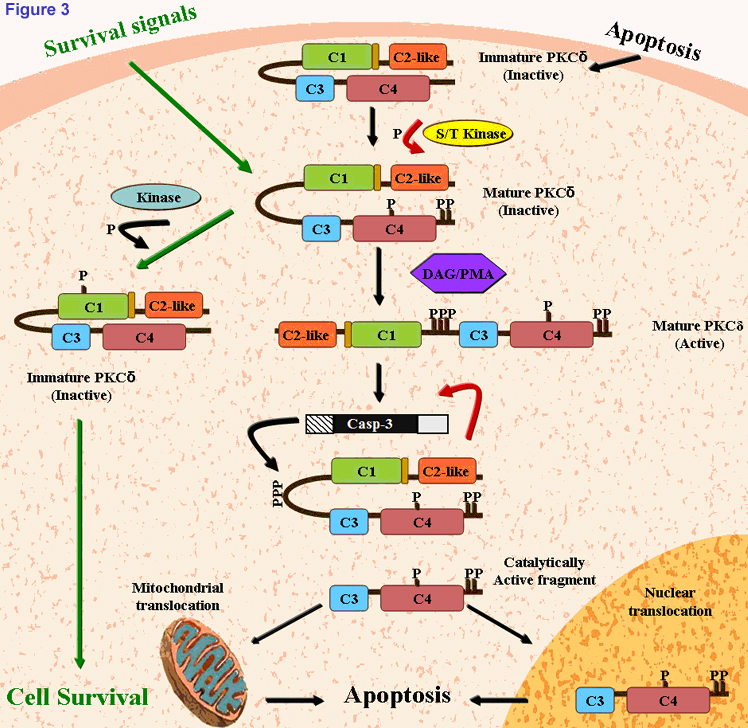
Figure 3. Model of PKCδ activation. Sequential activation and subcellular localization of PKCδ are illustrated in the model
Localisation
The localization of PKCδ seems to play an important role in determining its activity. PMA-induced activation of PKCδ causes its translocation from the cytoplasm to the plasma membrane. This event is followed by a slower nuclear membrane translocation in hamster ovary cells (Wang, Bhattacharyya et al. 1999). Induction of apoptosis by TNF and Fas mediates the release of ceramide, causing PKCδ translocation from the plasma membrane to the cytosol in leukemia cells (Sawai, Okazaki et al. 1997). The released ceramide accumulates at the Golgi causing the translocation of PKCδ to this cellular compartment. Ceramide induces the phosphorylation of PKCδ at Tyr311 and Tyr332 via Src kinase (Sarcoma), inducing its activation. Treatment with TPA causes PKCδ translocation from the Golgi to the plasma membrane suggesting that PKCδ moves continuously from the Golgi complex to the cytoplasm (Kajimoto, Ohmori et al. 2001). Moreover, in glioma cells, PKCδ was found to induce cell death when targeted to the mitochondria, cytoplasm, and nucleus. However, in the case of glioma cells, localization of PKCδ to the endoplasmic reticulum was suggested to protect glioma cells from etoposide and TNF-ligand induced cell death (Gomel, Xiang et al. 2007). It has been suggested recently that nuclear localization of PKCδ in response to Fas ligand, etoposide, ionizing radiation and growth factor deprivation is required for its ability to induce apoptosis (Yuan, Utsugisawa et al. 1998; Scheel-Toellner, Pilling et al. 1999; Blass, Kronfeld et al. 2002). Transfection of the PKCδ catalytic fragment (CF) in parotid salivary acinar cells induces nuclear localization of PKCδ and apoptosis. Mutations in the NLS motif of CF were show to inhibit cell death, demonstrating the importance of PKCδs CF nuclear localization in apoptosis. However, the translocation of full-length PKCδ to the nucleus has also been suggested (DeVries, Neville et al. 2002).
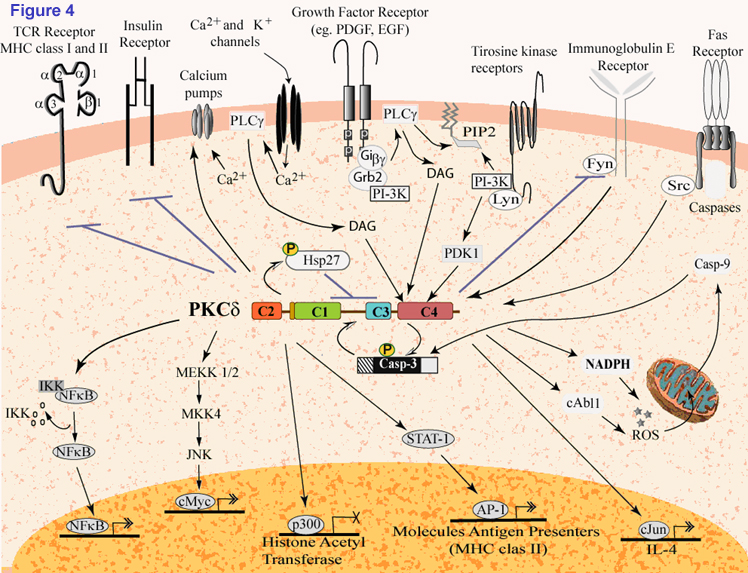
Figure 4. Model of PKCδ and its substrates.
Function
- Apoptosis
PKCδ has been emerging as an important regulator of apoptosis. This apoptotic function is achieved by its interaction and phosphorylation of several proteins that are involved in the cell death (Basu 2003). For example, PKCδ associates and phosphorylates caspase-3 promoting the apoptotic activity of the cysteine caspase during etoposide-induced apoptosis and also in spontaneous apoptosis of monocytes (Voss, Kim et al. 2005). Apoptosis induced by diverse agents including: TNF-α or Fas ligation, etoposide, mitomycin, cytosine arabinoside, etoposide, UV, and ionizing radiation induces the cleavage of PKCδ, freeing the catalytically from the regulatory domain (Emoto, Manome et al. 1995; Datta, Banach et al. 1996; Ghayur, Hugunin et al. 1996; Park, Park et al. 2000; Fukunaga, Oka et al. 2001; Blass, Kronfeld et al. 2002). The cleavage of PKCδ occurs at a specific amino-acid site (see Table 1) and is mediated by caspase-3. It was suggested that the PKCδ catalytic fragment may serve to amplify downstream events in the apoptotic pathway, for example by allowing the relocalization of the catalytic domain into the nucleus where is able then to phosphorylate an additional repertoire of substrates (Brodie and Blumberg 2003). Consistent with this hypothesis, overexpression of the catalytic fragment in the absence of an apoptotic stimulus was sufficient to induce apoptosis in a variety of cell types (Leverrier, Vallentin et al. 2002). Hence, it has been suggested that PKCδ operates in a feedback loop to regulate apoptosis. PKCδ participates in the early events of apoptosis by modulating the activation of caspase-3 and later, downstream of the caspase activation, by phosphorylating proteins of diverse biological function that in turn regulate the execution of cell death (Basu 2003).
Consistent with a central role of PKCδ in apoptosis, PKCδ-/- mice were found to be protected against γ-irradiation induced apoptosis (Humphries, Limesand et al. 2006). Moreover, glioma cells treated with etoposide in the presence of rottlerin, a PKCδ inhibitor, showed lack of PKCδ activation and absence of the caspase-3-dependent PKCδ cleaved catalytic domain, suggesting an essential team-work of PKCδ and capase-3 in the induction of apoptosis (Blass, Kronfeld et al. 2002). The apoptotic activity of PKCδ is controlled, at least in part, by a member of the heat shock family. The heat shock protein 25 (Hsp25, the mouse homolog of the human Hsp27) was shown to inhibit apoptosis through the direct binding PKCδs V5 catalytic region. Consistent with this mechanisms, Hsp25 inhibited PKCδ kinase activity and membrane translocation reducing cell death in mouse fibroblasts (Lee, Lee et al. 2005) (Figure 4).
- Homeostasis and membrane exitability
PKCδ regulates membrane excitability by modulating different ion channels and pumps such as the calcium efflux regulator PMCA (plasma membrane calcium ATPase) (Crotty, Cai et al. 2006; Ahn, Jeong et al. 2007). In the skin, if the permeability barrier is disrupted by physical or mechanical damage, there is an increase on trans-epidermal water loss, followed by a decrease of the extracellular Ca2+ levels (Garcia and Strehler 1999). The decrease in Ca2+ levels causes the opening of calcium channels allowing calcium influx to restore basal levels of Ca2+. Accumulation of Ca2+ in the cell causes the activation of phospholipase C (PLCγ). The activated phospholipase cleaves phosphatidylinositol 4,5-biphosphate (PI(4,5)P2) generating DAG and inositol 1,4,5-triphosphate which in turn activate PKCδ (Figure 4) (Berridge 1984). Thus, PKCδ is fundamental to maintain Ca2+ levels and the homeostatic balance in the skin.
In muscle cells, PKCδ plays an important role restoring K+ homeostasis after membrane depolarization of the action potential. Membrane depolarization caused by an excitatory stimulus activates Na+ pumps; this causes an inward movement of Na+ ions. The entrance of Na+ ions causes a decrease of membrane negative charge and a change to a positive inner membrane potential. The inner positive electrical gradient favors the activation of the G protein-activated Inwardly Rectifying K+ channels (GIRK channels) to open and release K+, this allows the transmission of a second impulse. Activation of the G-coupled protein causes the generation of PI(4,5)P2 and DAG through PLCγ activation (Berridge 1984). After PKCδ is recruited to the membrane, is able to phosphorylate the GIRK channels leading to the alteration of the channels conformation and/or interactions with Gβγ-subunits, preventing a channel activation by PI(4,5)P 2. This allows the cell to maintain the homeostasis by normalizing potassium basal levels (Breitwieser 2005; Brown, Thomas et al. 2005; Xie, John et al. 2007).
- Transcriptional regulation
Multiple transcription factors are phosphorylated by PKCδ (Kim, Seo et al. 2006; Liu, Yang et al. 2006; Kim, Choi et al. 2007; Kim, Lim et al. 2007). In this context, phosphorylation of the Sp1 transcription factor, promoted cyclin D3 expression in cells treated with the histone deacetylase apicidin (Kim, Lim et al. 2007). Moreover, the expression of NF-κB was modulated by apicidin, through the inhibition of Sp1. PI3K and PKC are required for the NFκB activation by apicidin. In addition NF-κB plays an important role as a modulator determining cell fate in response to HDAC inhibitors (Kim, Seo et al. 2006; Liu, Yang et al. 2006). Also, it has been observed that RelA / NF-κB upregulate PKCδ expression, in UV treated cells. PKCδ is necessary and sufficient to mediate JNK activation by RelA, in response to UV treatment promoting apoptosis in mouse fibroblasts (Liu, Yang et al. 2006) (Figure 4). In addition, PKCδ can modulate DNA methylation through induced-phosphorylation of transcription factors, and through the modulation of the ERK signal pathway (Yuan, Soh et al. 2002; Gorelik, Fang et al. 2007). PKCδ also phosphorylates the acetyl transferase p300 at Ser89 inhibiting its activity in vitro and in vivo. This event inhibits p300 histone acetyl transferase (HAT) activity causing a reduction in the nucleosome histone acetylation and reduction of gene expression on HeLa cells (Yuan, Soh et al. 2002) (Figure 4). Moreover, members of the Stat transcription factor family are regulated by PKCδ. PKCδ phosphorylates Stat1 (signal transducer transactivator-1) at Ser727, allowing the transcription of the CIITA (class II transactivator) promoter promoting the activity of the MHC class II receptor (Kwon, Yao et al. 2007). PKCδ also phosphorylates and associates with Stat-3 enhancing the interaction between Stat3 and IL-6 receptor subunit glycoprotein (gp) 130, the initial step for Stat3 activation (Novotny-Diermayr, Zhang et al. 2002).
- Redox-sensitive kinase
PKCδ functions as a redox-sensitive kinase in various cell types (Sun, Wu et al. 2000; Kanthasamy, Kitazawa et al. 2003). Exposure to reactive oxygen species (ROS) induces the release of DAG, activation and membrane translocation (Cummings, Parinandi et al. 2002). ROS can induce the activation of the NF-κB signaling pathway through the activation of the IκB kinases (IKKs), in a PKCδ signal pathway dependent manner (Yamaguchi, Miki et al. 2007). Thus, PKCδ may regulate the role of NF-κB as a redox-sensitive factor (Figure 4).
- Immunological response
The regulation of the antigen presentation is a key to generate an effective immune response. CD1 family members are antigenic peptides presented by MHC class I or class II molecules (Jackman, Moody et al. 1999; Brutkiewicz, Lin et al. 2003). Inhibition of PKCδ by rottlerin results in a substantial reduction in CD1d-mediated antigen presentation and alters the intracellular localization of CD1d to the lipid membrane. Also, PKCδ can modulate the expression levels of the trans-activator MHC class II, CD28, and CD24 , mediating a negative feedback signals in lymphocytes though the phosphorylation of MHC class I and II (Brutkiewicz, Lin et al. 2003). PKCδ activation also promotes the mobilization of the MHC class II receptors to the cell surface. Inhibition of PKCδ activation by rottlerin prevents dendritic cell activation of T lymphoctes (Majewski, Bose et al. 2007). In addition, PKCδ can regulate the expression of MHC class II receptor controlling the expression of the class II transactivator (CIITA). The expression of CIITA is required for MHC class II expression (Reith, LeibundGut-Landmann et al. 2005). Upon inflammation macrophages release IFNγ causing the activation of PKCδ. Once PKCδ is activated, induces the phosphorylation of Stat-1 at Ser727 allowing it to interact with the HATs, CBP/p300, promoting acetylation of the CIITA promoter. The PKCδ-dependent transcription of CIITA allows MHC class II expression in murine macrophages (Kwon, Yao et al. 2007) (Figure 4).
PKCδ has been emerging as an important regulator of apoptosis. This apoptotic function is achieved by its interaction and phosphorylation of several proteins that are involved in the cell death (Basu 2003). For example, PKCδ associates and phosphorylates caspase-3 promoting the apoptotic activity of the cysteine caspase during etoposide-induced apoptosis and also in spontaneous apoptosis of monocytes (Voss, Kim et al. 2005). Apoptosis induced by diverse agents including: TNF-α or Fas ligation, etoposide, mitomycin, cytosine arabinoside, etoposide, UV, and ionizing radiation induces the cleavage of PKCδ, freeing the catalytically from the regulatory domain (Emoto, Manome et al. 1995; Datta, Banach et al. 1996; Ghayur, Hugunin et al. 1996; Park, Park et al. 2000; Fukunaga, Oka et al. 2001; Blass, Kronfeld et al. 2002). The cleavage of PKCδ occurs at a specific amino-acid site (see Table 1) and is mediated by caspase-3. It was suggested that the PKCδ catalytic fragment may serve to amplify downstream events in the apoptotic pathway, for example by allowing the relocalization of the catalytic domain into the nucleus where is able then to phosphorylate an additional repertoire of substrates (Brodie and Blumberg 2003). Consistent with this hypothesis, overexpression of the catalytic fragment in the absence of an apoptotic stimulus was sufficient to induce apoptosis in a variety of cell types (Leverrier, Vallentin et al. 2002). Hence, it has been suggested that PKCδ operates in a feedback loop to regulate apoptosis. PKCδ participates in the early events of apoptosis by modulating the activation of caspase-3 and later, downstream of the caspase activation, by phosphorylating proteins of diverse biological function that in turn regulate the execution of cell death (Basu 2003).
Consistent with a central role of PKCδ in apoptosis, PKCδ-/- mice were found to be protected against γ-irradiation induced apoptosis (Humphries, Limesand et al. 2006). Moreover, glioma cells treated with etoposide in the presence of rottlerin, a PKCδ inhibitor, showed lack of PKCδ activation and absence of the caspase-3-dependent PKCδ cleaved catalytic domain, suggesting an essential team-work of PKCδ and capase-3 in the induction of apoptosis (Blass, Kronfeld et al. 2002). The apoptotic activity of PKCδ is controlled, at least in part, by a member of the heat shock family. The heat shock protein 25 (Hsp25, the mouse homolog of the human Hsp27) was shown to inhibit apoptosis through the direct binding PKCδs V5 catalytic region. Consistent with this mechanisms, Hsp25 inhibited PKCδ kinase activity and membrane translocation reducing cell death in mouse fibroblasts (Lee, Lee et al. 2005) (Figure 4).
- Homeostasis and membrane exitability
PKCδ regulates membrane excitability by modulating different ion channels and pumps such as the calcium efflux regulator PMCA (plasma membrane calcium ATPase) (Crotty, Cai et al. 2006; Ahn, Jeong et al. 2007). In the skin, if the permeability barrier is disrupted by physical or mechanical damage, there is an increase on trans-epidermal water loss, followed by a decrease of the extracellular Ca2+ levels (Garcia and Strehler 1999). The decrease in Ca2+ levels causes the opening of calcium channels allowing calcium influx to restore basal levels of Ca2+. Accumulation of Ca2+ in the cell causes the activation of phospholipase C (PLCγ). The activated phospholipase cleaves phosphatidylinositol 4,5-biphosphate (PI(4,5)P2) generating DAG and inositol 1,4,5-triphosphate which in turn activate PKCδ (Figure 4) (Berridge 1984). Thus, PKCδ is fundamental to maintain Ca2+ levels and the homeostatic balance in the skin.
In muscle cells, PKCδ plays an important role restoring K+ homeostasis after membrane depolarization of the action potential. Membrane depolarization caused by an excitatory stimulus activates Na+ pumps; this causes an inward movement of Na+ ions. The entrance of Na+ ions causes a decrease of membrane negative charge and a change to a positive inner membrane potential. The inner positive electrical gradient favors the activation of the G protein-activated Inwardly Rectifying K+ channels (GIRK channels) to open and release K+, this allows the transmission of a second impulse. Activation of the G-coupled protein causes the generation of PI(4,5)P2 and DAG through PLCγ activation (Berridge 1984). After PKCδ is recruited to the membrane, is able to phosphorylate the GIRK channels leading to the alteration of the channels conformation and/or interactions with Gβγ-subunits, preventing a channel activation by PI(4,5)P 2. This allows the cell to maintain the homeostasis by normalizing potassium basal levels (Breitwieser 2005; Brown, Thomas et al. 2005; Xie, John et al. 2007).
- Transcriptional regulation
Multiple transcription factors are phosphorylated by PKCδ (Kim, Seo et al. 2006; Liu, Yang et al. 2006; Kim, Choi et al. 2007; Kim, Lim et al. 2007). In this context, phosphorylation of the Sp1 transcription factor, promoted cyclin D3 expression in cells treated with the histone deacetylase apicidin (Kim, Lim et al. 2007). Moreover, the expression of NF-κB was modulated by apicidin, through the inhibition of Sp1. PI3K and PKC are required for the NFκB activation by apicidin. In addition NF-κB plays an important role as a modulator determining cell fate in response to HDAC inhibitors (Kim, Seo et al. 2006; Liu, Yang et al. 2006). Also, it has been observed that RelA / NF-κB upregulate PKCδ expression, in UV treated cells. PKCδ is necessary and sufficient to mediate JNK activation by RelA, in response to UV treatment promoting apoptosis in mouse fibroblasts (Liu, Yang et al. 2006) (Figure 4). In addition, PKCδ can modulate DNA methylation through induced-phosphorylation of transcription factors, and through the modulation of the ERK signal pathway (Yuan, Soh et al. 2002; Gorelik, Fang et al. 2007). PKCδ also phosphorylates the acetyl transferase p300 at Ser89 inhibiting its activity in vitro and in vivo. This event inhibits p300 histone acetyl transferase (HAT) activity causing a reduction in the nucleosome histone acetylation and reduction of gene expression on HeLa cells (Yuan, Soh et al. 2002) (Figure 4). Moreover, members of the Stat transcription factor family are regulated by PKCδ. PKCδ phosphorylates Stat1 (signal transducer transactivator-1) at Ser727, allowing the transcription of the CIITA (class II transactivator) promoter promoting the activity of the MHC class II receptor (Kwon, Yao et al. 2007). PKCδ also phosphorylates and associates with Stat-3 enhancing the interaction between Stat3 and IL-6 receptor subunit glycoprotein (gp) 130, the initial step for Stat3 activation (Novotny-Diermayr, Zhang et al. 2002).
- Redox-sensitive kinase
PKCδ functions as a redox-sensitive kinase in various cell types (Sun, Wu et al. 2000; Kanthasamy, Kitazawa et al. 2003). Exposure to reactive oxygen species (ROS) induces the release of DAG, activation and membrane translocation (Cummings, Parinandi et al. 2002). ROS can induce the activation of the NF-κB signaling pathway through the activation of the IκB kinases (IKKs), in a PKCδ signal pathway dependent manner (Yamaguchi, Miki et al. 2007). Thus, PKCδ may regulate the role of NF-κB as a redox-sensitive factor (Figure 4).
- Immunological response
The regulation of the antigen presentation is a key to generate an effective immune response. CD1 family members are antigenic peptides presented by MHC class I or class II molecules (Jackman, Moody et al. 1999; Brutkiewicz, Lin et al. 2003). Inhibition of PKCδ by rottlerin results in a substantial reduction in CD1d-mediated antigen presentation and alters the intracellular localization of CD1d to the lipid membrane. Also, PKCδ can modulate the expression levels of the trans-activator MHC class II, CD28, and CD24 , mediating a negative feedback signals in lymphocytes though the phosphorylation of MHC class I and II (Brutkiewicz, Lin et al. 2003). PKCδ activation also promotes the mobilization of the MHC class II receptors to the cell surface. Inhibition of PKCδ activation by rottlerin prevents dendritic cell activation of T lymphoctes (Majewski, Bose et al. 2007). In addition, PKCδ can regulate the expression of MHC class II receptor controlling the expression of the class II transactivator (CIITA). The expression of CIITA is required for MHC class II expression (Reith, LeibundGut-Landmann et al. 2005). Upon inflammation macrophages release IFNγ causing the activation of PKCδ. Once PKCδ is activated, induces the phosphorylation of Stat-1 at Ser727 allowing it to interact with the HATs, CBP/p300, promoting acetylation of the CIITA promoter. The PKCδ-dependent transcription of CIITA allows MHC class II expression in murine macrophages (Kwon, Yao et al. 2007) (Figure 4).
Implicated in
Entity name
Breast Cancer
Disease
The role of PKCδ in breast cancer has been suggested by numerous investigators (Signorelli and Ghidoni 2005). A decrease in PKCδ expression upon acquisition of a metastatic phenotype has been observed in MCF-7 breast cancer tumor cells (Jackson, Zheng et al. 2005). Estrogen has been shown to up-regulate the expression of the PKCδ isoform (Cutler, Maizels et al. 1994). Anti-estrogen treatment of MCF-7 cells reduced PKCδ protein and mRNA levels in MCF-7 cells (Shanmugam, Krett et al. 1999). Anti-estrogenic drugs such as tamoxifen (Ueyama, Ren et al.) are used currently as treatment for the management of hormone-responsive breast tumors. The development of resistance to this drug presents a challenge for the treatment of breast cancer. Overexpression of PKCδ leads to Tam resistance in MCF-7 cells while the treatment with rottlerin and siRNA inhibits estrogen and Tam-induced growth in anti-estrogen resistant cells (Nabha, Glaros et al. 2005).
Entity name
Systemic Lupus Erythematosus (SLE)
Disease
Systemic lupus erythematosus (SLE) is an autoimmune disease characterized by alteration of the cellular and humoral immune response, leading to pathological autoantibody production. While the cause of lupus remains unknown (Tsokos, Wong et al. 2000; Yang, Wang et al. 2007), dysfunctional monocytes/macrophages and T lymphocytes have been reported in SLE patients (Steinbach, Henke et al. 2000). Clinical studies showed decreased levels of PKCδ in monocytes from SLE patients. Hence, monocytes prolonged survival and accumulation of macrophages, have been suggested as contributing factors to the development of the disease (Biro, Griger et al. 2004). PKCδ plays an essential role regulating monocyte life span by directly contributing to the activation of caspase-3 (Voss, Kim et al. 2005). Moreover, PKCδ-/- animals have increased lymphocyte numbers and develop SLE (Leitges, Mayr et al. 2001; Miyamoto, Nakayama et al. 2002). Defects on T cell-ERK pathway signaling causes a lupus-like disease in mice and a decrease in DNA methyltransferase expression, leading to epigenetic changes. Interestingly, T cells treated with hydrazine, a lupus inducing drug, showed inhibition of PMA-induced activation of PKCδ and halted its translocation to the membrane suggesting a link with the role for PKCδ in lupus (Gorelik, Fang et al. 2007).
Entity name
Parkinsons disease (PD)
Disease
Parkinsons disease (PD) is an idiopathic neurodegenerative disorder characterized by profound loss of dopaminergic neurons in the nigrostriatal tract (Simon, Mayeux et al. 2000). As consequence of PD neurites lost followed by neuronal cell apoptosis have been documented. PKCδ has been described as an oxidative stress-sensitive kinase and a key mediator of apoptosis in neurons of PD patients (Clarke 2007). Correlation between the exposure to vehicle and industrial emissions, such as methylcyclopentadienyl manganese tricarbonyl (MMT) and the development of PD has been suggested (Finkelstein and Jerrett 2007). Prolonged exposure to MMT showed pronounced accumulation of manganese in the brain resulting in depletion of dopamine in striatum increasing the risk of PD (Gianutsos and Murray 1982; Zheng, Kim et al. 2000). The direct exposure of MMT in PC12 cells (granular neurons) resulted in a profound activation of caspase-3 and PKCδ. The activation of caspase-3 followed by the cleavage of PKCδ, generates the active catalytic fragment of PKCδ, and mediates neuronal cell death in PD (Anantharam, Kitazawa et al. 2002).
Entity name
Diabetes mellitus type 2 (Diabetes mellitus type II, non insulin-dependent diabetes (NIDDM))
Disease
NIDDM is the most common form of diabetes primarily characterized by insulin resistance, relative insulin deficiency, and hyperglycemia. One of the secondary pathologies in NIDDM is retinopathy, characterized by pericytes and retinal neurons apoptosis, followed by the gradual lost of sight. Neurons and glial retinal cells present high levels of the small heat shock protein αB-crystallin (αBC), an important regulator against apoptotic stress. The αBC acts as a stress-response molecular chaperone. Up-regulation of αBC has been associated with a glial cell reaction to neuronal damage in the eye, and is part of a defense response to apoptotic stress in NIDDM (Lorenzi and Gerhardinger 2001; Alge, Priglinger et al. 2002; Cheung, Fung et al. 2005). Phosphorylation of αBC at Ser59 is necessary and sufficient for its anti-apoptotic function. PKCδ associates with αBC in the retina, suggesting that PKCδ is closely involved in αBC phosphorylation (Kim, Choi et al. 2007).
Entity name
Listeria monocytogenes
Disease
Listeria monocytogenes (Scheel-Toellner, Pilling et al.) is a Gram-positive, facultative intracellular bacterium that infects humans through the ingestion of contaminated food. The infection of immunocompromised individuals can result in meningitis and septicemia (Drevets, Leenen et al. 2004). LM evades the immune system by escaping from macrophage vacuoles into the cytoplasm, avoiding macrophage phagocytosis (Tilney and Portnoy 1989). After infection, activated macrophages produce reactive oxygen intermediates, reactive nitrogen intermediates and phosphatidylinositol specific phospholipase C ( PI-PLC ) (Yoshida 2007). PLC allows the generation of DAG and increases the intracellular calcium levels. Once DAG is generated it can activate PKCδ allowing its translocation to the cell membranes (Wadsworth and Goldfine 2002; Myers, Tsang et al. 2003). Upon infection, macrophages also activate NF-16, a transcription factor downstream of IFN-γ and TNF. IF-IL6 required for macrophages to kill bacteria (Tanaka, Akira et al. 1995). PKCδ-deficient mice showed high susceptibility to LM infection despite the high mRNA expression of IF-IL6. PKCδ has been shown to regulate NF-IL6 activity through direct phosphorylation and its activity is critical for macrophage bacterial-killing activity during LM infection (Schwegmann, Guler et al. 2007).
Entity name
Atherosclerosis
Disease
Atherosclerosis is a chronic inflammatory response in arterial walls due to the deposition of lipoproteins that causes the formation of multiple plaques within the arteries. The initial lesions in atherogenesis involve proliferation of the intima smooth muscle cells (SMCs), followed by the formation of plaque (Ross 1993). It has been reported that PKCδ inhibits growth, induces differentiation, and promotes apoptosis in vascular SMCs (Fukumoto, Nishizawa et al. 1997). SMC proliferation/accumulation in the intima of the vessel wall is a key event in the development of atherosclerosis (Ross 1993; Von der Thusen, Van Berkel et al. 2001). PKCδ has a critical role in the development of atherosclerosis since PKCδ knockout mice develop severe atherosclerosis in the veins grafts, compared to the PKCδ+/+ mice. Caspase-3 activation was also affected in PKCδ -/- mice demonstrating the importance of PKCδs activity activating cell death, an important event for the prevention of vein graft disease (Leitges, Mayr et al. 2001).
Article Bibliography
| Pubmed ID | Last Year | Title | Authors |
|---|---|---|---|
| 17464524 | 2007 | Role of PKC-delta as a signal mediator in epidermal barrier homeostasis. | Ahn BK et al |
| 12407170 | 2002 | Retinal pigment epithelium is protected against apoptosis by alphaB-crystallin. | Alge CS et al |
| 11880503 | 2002 | Caspase-3-dependent proteolytic cleavage of protein kinase Cdelta is essential for oxidative stress-mediated dopaminergic cell death after exposure to methylcyclopentadienyl manganese tricarbonyl. | Anantharam V et al |
| 11078882 | 2000 | Further evidence that 3-phosphoinositide-dependent protein kinase-1 (PDK1) is required for the stability and phosphorylation of protein kinase C (PKC) isoforms. | Balendran A et al |
| 14754503 | 2003 | Involvement of protein kinase C-delta in DNA damage-induced apoptosis. | Basu A et al |
| 6146314 | 1984 | Inositol trisphosphate and diacylglycerol as second messengers. | Berridge MJ et al |
| 15379867 | 2004 | Abnormal cell-specific expressions of certain protein kinase C isoenzymes in peripheral mononuclear cells of patients with systemic lupus erythematosus: effect of corticosteroid application. | Bíró T et al |
| 10319993 | 1999 | Src promotes PKCdelta degradation. | Blake RA et al |
| 11739733 | 2002 | Tyrosine phosphorylation of protein kinase Cdelta is essential for its apoptotic effect in response to etoposide. | Blass M et al |
| 16100388 | 2005 | GIRK channels: hierarchy of control. Focus on "PKC-delta sensitizes Kir3.1/3.2 channels to changes in membrane phospholipid levels after M3 receptor activation in HEK-293 cells". | Breitwieser GE et al |
| 12510148 | 2003 | Regulation of cell apoptosis by protein kinase c delta. | Brodie C et al |
| 15857907 | 2005 | PKC-delta sensitizes Kir3.1/3.2 channels to changes in membrane phospholipid levels after M3 receptor activation in HEK-293 cells. | Brown SG et al |
| 15030309 | 2003 | CD1d-mediated antigen presentation to natural killer T (NKT) cells. | Brutkiewicz RR et al |
| 16249434 | 2005 | Aldose reductase deficiency prevents diabetes-induced blood-retinal barrier breakdown, apoptosis, and glial reactivation in the retina of db/db mice. | Cheung AK et al |
| 11432875 | 2001 | Membrane targeting by C1 and C2 domains. | Cho W et al |
| 17762036 | 2007 | Parkinson's disease. | Clarke CE et al |
| 17021016 | 2006 | Diacylglycerol kinase delta regulates protein kinase C and epidermal growth factor receptor signaling. | Crotty T et al |
| 12162465 | 2002 | Phospholipase D/phosphatidic acid signal transduction: role and physiological significance in lung. | Cummings R et al |
| 7925131 | 1994 | Delta protein kinase-C in the rat ovary: estrogen regulation and localization. | Cutler RE Jr et al |
| 15618968 | 2005 | A caspase-resistant mutant of PKC-delta protects keratinocytes from UV-induced apoptosis. | D'Costa AM et al |
| 7890750 | 1995 | Protein kinase C delta-specific phosphorylation of the elongation factor eEF-alpha and an eEF-1 alpha peptide at threonine 431. | Kielbassa K et al |
| 12426377 | 2002 | Nuclear import of PKCdelta is required for apoptosis: identification of a novel nuclear import sequence. | DeVries TA et al |
| 10956616 | 2000 | Protein kinase C isozymes and the regulation of diverse cell responses. | Dempsey EC et al |
| 8621384 | 1996 | Activation of the epidermal growth factor receptor signal transduction pathway stimulates tyrosine phosphorylation of protein kinase C delta. | Denning MF et al |
| 15084504 | 2004 | Invasion of the central nervous system by intracellular bacteria. | Drevets DA et al |
| 17603046 | 2007 | Novel phosphorylation site markers of protein kinase C delta activation. | Durgan J et al |
| 9889098 | 1998 | Regulation of conventional protein kinase C isozymes by phosphoinositide-dependent kinase 1 (PDK-1). | Dutil EM et al |
| 15913451 | 2005 | PKCdelta mediates up-regulation of NOX1, a catalytic subunit of NADPH oxidase, via transactivation of the EGF receptor: possible involvement of PKCdelta in vascular hypertrophy. | Fan CY et al |
| 10828076 | 2000 | Regulation of receptor-mediated protein kinase C membrane trafficking by autophosphorylation. | Feng X et al |
| 17445792 | 2007 | A study of the relationships between Parkinson's disease and markers of traffic-derived and environmental manganese air pollution in two Canadian cities. | Finkelstein MM et al |
| 10713064 | 2000 | Involvement of protein kinase C delta (PKCdelta) in phorbol ester-induced apoptosis in LNCaP prostate cancer cells. Lack of proteolytic cleavage of PKCdelta. | Fujii T et al |
| 9153238 | 1997 | Protein kinase C delta inhibits the proliferation of vascular smooth muscle cells by suppressing G1 cyclin expression. | Fukumoto S et al |
| 11716513 | 2001 | UV-induced tyrosine phosphorylation of PKC delta and promotion of apoptosis in the HaCaT cell line. | Fukunaga M et al |
| 10577388 | 1999 | Plasma membrane calcium ATPases as critical regulators of calcium homeostasis during neuronal cell function. | Garcia ML et al |
| 8083212 | 1994 | Phosphorylation of the gamma chain of the high affinity receptor for immunoglobulin E by receptor-associated protein kinase C-delta. | Germano P et al |
| 8976194 | 1996 | Proteolytic activation of protein kinase C delta by an ICE/CED 3-like protease induces characteristics of apoptosis. | Ghayur T et al |
| 6891761 | 1982 | Alterations in brain dopamine and GABA following inorganic or organic manganese administration. | Gianutsos G et al |
| 17579121 | 2007 | The localization of protein kinase Cdelta in different subcellular sites affects its proapoptotic and antiapoptotic functions and the activation of distinct downstream signaling pathways. | Gomel R et al |
| 17911642 | 2007 | Impaired T cell protein kinase C delta activation decreases ERK pathway signaling in idiopathic and hydralazine-induced lupus. | Gorelik G et al |
| 7516899 | 1994 | Tyrosine phosphorylation and stimulation of protein kinase C delta from porcine spleen by src in vitro. Dependence on the activated state of protein kinase C delta. | Gschwendt M et al |
| 10092837 | 1999 | Protein kinase C delta. | Gschwendt M et al |
| 16963224 | 2007 | PKC delta phosphorylates p52ShcA at Ser29 to regulate ERK activation in response to H2O2. | Hu Y et al |
| 16452485 | 2006 | Suppression of apoptosis in the protein kinase Cdelta null mouse in vivo. | Humphries MJ et al |
| 10940243 | 2000 | Signaling and subcellular targeting by membrane-binding domains. | Hurley JH et al |
| 14597593 | 2003 | Inhibition of delta-protein kinase C protects against reperfusion injury of the ischemic heart in vivo. | Inagaki K et al |
| 9987600 | 1999 | Mechanisms of lipid antigen presentation by CD1. | Jackman RM et al |
| 15735725 | 2005 | Suppression of cell migration by protein kinase Cdelta. | Jackson D et al |
| 10684584 | 2000 | Protein kinase C binding partners. | Jaken S et al |
| 18092819 | 2008 | Identification of a novel antiapoptotic human protein kinase C delta isoform, PKCdeltaVIII in NT2 cells. | Jiang K et al |
| 11238914 | 2001 | Subtype-specific translocation of the delta subtype of protein kinase C and its activation by tyrosine phosphorylation induced by ceramide in HeLa cells. | Kajimoto T et al |
| 14580317 | 2003 | Role of proteolytic activation of protein kinase Cdelta in oxidative stress-induced apoptosis. | Kanthasamy AG et al |
| 16638571 | 2006 | New PKCdelta family members, PKCdeltaIV, deltaV, deltaVI, and deltaVII are specifically expressed in mouse testis. | Kawaguchi T et al |
| 12473183 | 2002 | Protein kinase C delta (PKC delta): activation mechanisms and functions. | Kikkawa U et al |
| 17904375 | 2007 | Protein kinase C delta regulates anti-apoptotic alphaB-crystallin in the retina of type 2 diabetes. | Kim YH et al |
| 17407153 | 2007 | Expression of cyclin D3 through Sp1 sites by histone deacetylase inhibitors is mediated with protein kinase C-delta (PKC-delta) signal pathway. | Kim YH et al |
| 16870149 | 2006 | Involvement of HDAC1 and the PI3K/PKC signaling pathways in NF-kappaB activation by the HDAC inhibitor apicidin. | Kim YK et al |
| 9326592 | 1997 | Activation of protein kinase C by tyrosine phosphorylation in response to H2O2. | Konishi H et al |
| 11381116 | 2001 | Phosphorylation sites of protein kinase C delta in H2O2-treated cells and its activation by tyrosine kinase in vitro. | Konishi H et al |
| 10945993 | 2000 | Phosphorylation of protein kinase Cdelta on distinct tyrosine residues regulates specific cellular functions. | Kronfeld I et al |
| 10698949 | 2000 | Functional interaction between RAFT1/FRAP/mTOR and protein kinase cdelta in the regulation of cap-dependent initiation of translation. | Kumar V et al |
| 17346795 | 2007 | Role of PKCdelta in IFN-gamma-inducible CIITA gene expression. | Kwon MJ et al |
| 9748166 | 1998 | Protein kinase C isotypes controlled by phosphoinositide 3-kinase through the protein kinase PDK1. | Le Good JA et al |
| 16314418 | 2006 | Regulation of p53 by activated protein kinase C-delta during nitric oxide-induced dopaminergic cell death. | Lee SJ et al |
| 15731106 | 2005 | HSP25 inhibits protein kinase C delta-mediated cell death through direct interaction. | Lee YJ et al |
| 15806174 | 2005 | HSP25 inhibits radiation-induced apoptosis through reduction of PKCdelta-mediated ROS production. | Lee YJ et al |
| 11714742 | 2001 | Exacerbated vein graft arteriosclerosis in protein kinase Cdelta-null mice. | Leitges M et al |
| 12238950 | 2002 | Positive feedback of protein kinase C proteolytic activation during apoptosis. | Leverrier S et al |
| 7507923 | 1994 | Tyrosine phosphorylation of protein kinase C-delta in response to its activation. | Li W et al |
| 16483929 | 2006 | NF-kappaB is required for UV-induced JNK activation via induction of PKCdelta. | Liu J et al |
| 11508263 | 2001 | Early cellular and molecular changes induced by diabetes in the retina. | Lorenzi M et al |
| 9447980 | 1998 | Activation of protein kinase C triggers its ubiquitination and degradation. | Lu Z et al |
| 17446207 | 2007 | Protein kinase C delta stimulates antigen presentation by Class II MHC in murine dendritic cells. | Majewski M et al |
| 10818086 | 2000 | Mitochondrial translocation of protein kinase C delta in phorbol ester-induced cytochrome c release and apoptosis. | Majumder PK et al |
| 9601053 | 1998 | The extended protein kinase C superfamily. | Mellor H et al |
| 11976687 | 2002 | Increased proliferation of B cells and auto-immunity in mice lacking protein kinase Cdelta. | Miyamoto A et al |
| 14607950 | 2003 | Localized reactive oxygen and nitrogen intermediates inhibit escape of Listeria monocytogenes from vacuoles in activated macrophages. | Myers JT et al |
| 15735693 | 2005 | Upregulation of PKC-delta contributes to antiestrogen resistance in mammary tumor cells. | Nabha SM et al |
| 1411571 | 1992 | Intracellular signaling by hydrolysis of phospholipids and activation of protein kinase C. | Nishizuka Y et al |
| 12361954 | 2002 | Protein kinase C delta associates with the interleukin-6 receptor subunit glycoprotein (gp) 130 via Stat3 and enhances Stat3-gp130 interaction. | Novotny-Diermayr V et al |
| 9687370 | 1998 | Crystal structure of the C2 domain from protein kinase C-delta. | Pappa H et al |
| 10574945 | 1999 | Mammalian TOR controls one of two kinase pathways acting upon nPKCdelta and nPKCepsilon. | Parekh D et al |
| 10960761 | 2000 | Mitomycin C induces apoptosis in a caspases-dependent and Fas/CD95-independent manner in human gastric adenocarcinoma cells. | Park IC et al |
| 16200082 | 2005 | Regulation of MHC class II gene expression by the class II transactivator. | Reith W et al |
| 8479518 | 1993 | The pathogenesis of atherosclerosis: a perspective for the 1990s. | Ross R et al |
| 12566450 | 2003 | Cross-regulation of novel protein kinase C (PKC) isoform function in cardiomyocytes. Role of PKC epsilon in activation loop phosphorylations and PKC delta in hydrophobic motif phosphorylations. | Rybin VO et al |
| 11558579 | 2001 | Novel protein kinase C delta isoform insensitive to caspase-3. | Sakurai Y et al |
| 8999958 | 1997 | Ceramide-induced translocation of protein kinase C-delta and -epsilon to the cytosol. Implications in apoptosis. | Sawai H et al |
| 10458775 | 1999 | Inhibition of T cell apoptosis by IFN-beta rapidly reverses nuclear translocation of protein kinase C-delta. | Scheel-Toellner D et al |
| 17913887 | 2007 | Protein kinase C delta is essential for optimal macrophage-mediated phagosomal containment of Listeria monocytogenes. | Schwegmann A et al |
| 10221776 | 1999 | Regulation of protein kinase C delta by estrogen in the MCF-7 human breast cancer cell line. | Shanmugam M et al |
| 16180715 | 2005 | Breast cancer and sphingolipid signalling. | Signorelli P et al |
| 10680807 | 2000 | Mitochondrial DNA mutations in complex I and tRNA genes in Parkinson's disease. | Simon DK et al |
| 16901898 | 2006 | The protein kinase C delta catalytic fragment targets Mcl-1 for degradation to trigger apoptosis. | Sitailo LA et al |
| 9692543 | 1998 | Tyrosine phosphorylation-dependent and -independent associations of protein kinase C-delta with Src family kinases in the RBL-2H3 mast cell line: regulation of Src family kinase activity by protein kinase C-delta. | Song JS et al |
| 10733475 | 2000 | Monocytes from systemic lupus erythematous patients are severely altered in phenotype and lineage flexibility. | Steinbach F et al |
| 15491280 | 2004 | Distinctive activation mechanisms and functions for protein kinase Cdelta. | Steinberg SF et al |
| 9045715 | 1997 | Phosphorylation of protein kinase Cdelta (PKCdelta) at threonine 505 is not a prerequisite for enzymatic activity. Expression of rat PKCdelta and an alanine 505 mutant in bacteria in a functional form. | Stempka L et al |
| 10085132 | 1999 | Requirements of protein kinase cdelta for catalytic function. Role of glutamic acid 500 and autophosphorylation on serine 643. | Stempka L et al |
| 10713049 | 2000 | Interaction between protein kinase C delta and the c-Abl tyrosine kinase in the cellular response to oxidative stress. | Sun X et al |
| 7575560 | 1995 | Development of a rapid approach to identification of tyrosine phosphorylation sites: application to PKC delta phosphorylated upon activation of the high affinity receptor for IgE in rat basophilic leukemia cells. | Szallasi Z et al |
| 2507553 | 1989 | Actin filaments and the growth, movement, and spread of the intracellular bacterial parasite, Listeria monocytogenes. | Tilney LG et al |
| 10990169 | 2000 | Immune cell signaling in lupus. | Tsokos GC et al |
| 10708593 | 2000 | cDNA cloning of an alternative splicing variant of protein kinase C delta (PKC deltaIII), a new truncated form of PKCdelta, in rats. | Ueyama T et al |
| 11222482 | 2001 | Induction of rapid atherogenesis by perivascular carotid collar placement in apolipoprotein E-deficient and low-density lipoprotein receptor-deficient mice. | von der Thüsen JH et al |
| 15716280 | 2005 | Regulation of monocyte apoptosis by the protein kinase Cdelta-dependent phosphorylation of caspase-3. | Voss OH et al |
| 12117979 | 2002 | Mobilization of protein kinase C in macrophages induced by Listeria monocytogenes affects its internalization and escape from the phagosome. | Wadsworth SJ et al |
| 10601287 | 1999 | Differential localization of protein kinase C delta by phorbol esters and related compounds using a fusion protein with green fluorescent protein. | Wang QJ et al |
| 17617409 | 2007 | Phosphoinositide-dependent protein kinase-1 (PDK1)-independent activation of the protein kinase C substrate, protein kinase D. | Wood CD et al |
| 11352632 | 2001 | Carbachol stimulates TYR phosphorylation and association of PKCdelta and PYK2 in pancreas. | Wrenn RW et al |
| 16837026 | 2007 | Activation of inwardly rectifying potassium (Kir) channels by phosphatidylinosital-4,5-bisphosphate (PIP2): interaction with other regulatory ligands. | Xie LH et al |
| 17644309 | 2007 | Protein kinase C delta activates IkappaB-kinase alpha to induce the p53 tumor suppressor in response to oxidative stress. | Yamaguchi T et al |
| 17021668 | 2007 | Clinical features, prognostic and risk factors of central nervous system infections in patients with systemic lupus erythematosus. | Yang CD et al |
| 16377624 | 2006 | Protein kinase C delta regulates Ser46 phosphorylation of p53 tumor suppressor in the apoptotic response to DNA damage. | Yoshida K et al |
| 12628935 | 2003 | Protein kinase Cdelta is responsible for constitutive and DNA damage-induced phosphorylation of Rad9. | Yoshida K et al |
| 17336499 | 2007 | PKCdelta signaling: mechanisms of DNA damage response and apoptosis. | Yoshida K et al |
| 12379484 | 2002 | Inhibition of histone acetyltransferase function of p300 by PKCdelta. | Yuan LW et al |
| 9582011 | 1998 | Activation of protein kinase C delta by the c-Abl tyrosine kinase in response to ionizing radiation. | Yuan ZM et al |
| 10774811 | 2000 | Comparative toxicokinetics of manganese chloride and methylcyclopentadienyl manganese tricarbonyl (MMT) in Sprague-Dawley rats. | Zheng W et al |
| 10339425 | 1999 | Rapamycin-sensitive phosphorylation of PKC on a carboxy-terminal site by an atypical PKC complex. | Ziegler WH et al |
Other Information
Locus ID:
NCBI: 5580
MIM: 176977
HGNC: 9399
Ensembl: ENSG00000163932
Variants:
dbSNP: 5580
ClinVar: 5580
TCGA: ENSG00000163932
COSMIC: PRKCD
RNA/Proteins
Expression (GTEx)
Pathways
Protein levels (Protein atlas)
PharmGKB
| Entity ID | Name | Type | Evidence | Association | PK | PD | PMIDs |
|---|---|---|---|---|---|---|---|
| PA33392 | PLCG1 | Gene | Pathway | associated | 20124951 | ||
| PA33393 | PLCG2 | Gene | Pathway | associated | 20124951 | ||
| PA34183 | RAF1 | Gene | Pathway | associated | 20124951 | ||
| PA39 | ADRB2 | Gene | Pathway | associated |
References
| Pubmed ID | Year | Title | Citations |
|---|---|---|---|
| 38128308 | 2024 | Activated PRKCD-mediated neutrophil extracellular traps pathway may be the prothrombotic mechanism of neutrophils in polycythemia vera patients based on clinical retrospective analysis and bioinformatics study. | 1 |
| 38347536 | 2024 | Superbinder based phosphoproteomic landscape revealed PRKCD_pY313 mediates the activation of Src and p38 MAPK to promote TNBC progression. | 0 |
| 38128308 | 2024 | Activated PRKCD-mediated neutrophil extracellular traps pathway may be the prothrombotic mechanism of neutrophils in polycythemia vera patients based on clinical retrospective analysis and bioinformatics study. | 1 |
| 38347536 | 2024 | Superbinder based phosphoproteomic landscape revealed PRKCD_pY313 mediates the activation of Src and p38 MAPK to promote TNBC progression. | 0 |
| 36648303 | 2023 | Protein Kinase C Modulation Determines the Mesoderm/Extraembryonic Fate Under BMP4 Induction From Human Pluripotent Stem Cells. | 1 |
| 36650346 | 2023 | Compound Heterozygous Mutations in PRKCD Associated with Early-Onset Lupus and Severe and Invasive Infections in Siblings. | 0 |
| 36782298 | 2023 | Genetic association of PRKCD and CARD9 polymorphisms with Vogt-Koyanagi-Harada disease in the Chinese Han population. | 0 |
| 36834691 | 2023 | Loss of S1P Lyase Expression in Human Podocytes Causes a Reduction in Nephrin Expression That Involves PKCδ Activation. | 1 |
| 36851883 | 2023 | Inhibition of protein kinase C delta leads to cellular senescence to induce anti-tumor effects in colorectal cancer. | 1 |
| 36982784 | 2023 | Counteracting Colon Cancer by Inhibiting Mitochondrial Respiration and Glycolysis with a Selective PKCδ Activator. | 1 |
| 37611829 | 2023 | Metabolic reprogramming contributes to radioprotection by protein kinase Cδ. | 0 |
| 37794137 | 2023 | Phenotypic Variability in PRKCD: a Review of the Literature. | 1 |
| 37864033 | 2023 | TRIM69 suppressed the anoikis resistance and metastasis of gastric cancer through ubiquitin‒proteasome-mediated degradation of PRKCD. | 2 |
| 37894811 | 2023 | Thrombin-Induced COX-2 Expression and PGE(2) Synthesis in Human Tracheal Smooth Muscle Cells: Role of PKCδ/Pyk2-Dependent AP-1 Pathway Modulation. | 1 |
| 38134280 | 2023 | Protein kinase C delta regulates mononuclear phagocytes and hinders response to immunotherapy in cancer. | 1 |
Citation
Yadira Malavez ; M Elba Gonzalez-Mejia ; Andrea I Doseff
PRKCD (protein kinase C, delta)
Atlas Genet Cytogenet Oncol Haematol. 2008-02-01
Online version: http://atlasgeneticsoncology.org/gene/42901
